Macklemore Controversy Puts Ed Sheeran’s U.S. Tour to a Commercial Test
The Loop Tour resumes with Sheeran potentially performing without supporting acts after Macklemore’s removal triggered a wave of withdrawals and renewed scrutiny of the concert business.

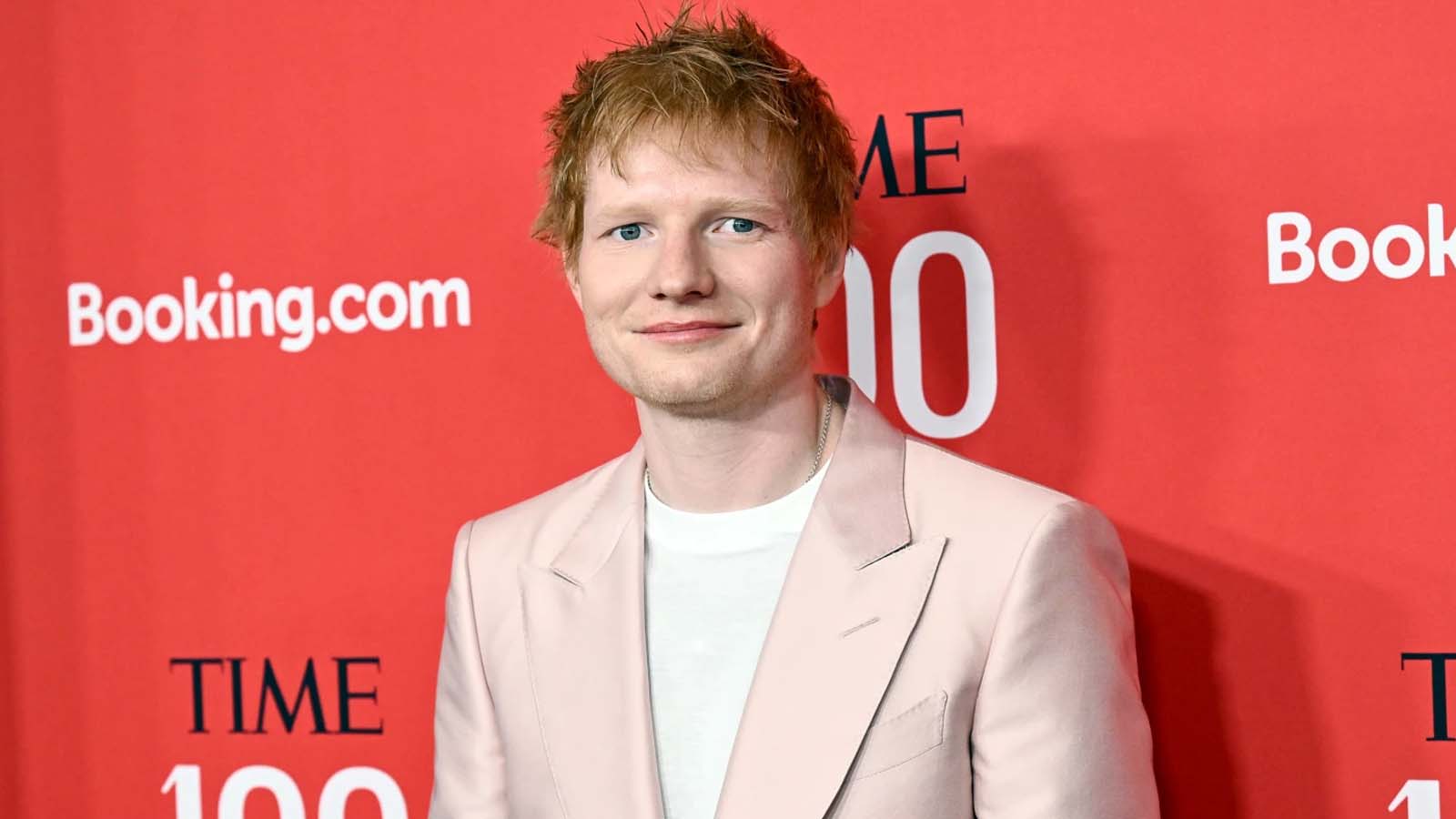
Ed Sheeran’s return to the stage in Philadelphia comes as a controversy surrounding his U.S. tour raises questions that extend well beyond the absence of a single opening act. The dispute has put the commercial and organizational structure behind one of the music industry’s biggest touring operations under scrutiny.
Sheeran’s “Loop Tour” is continuing across the United States after rapper Macklemore was removed from the lineup, followed by the withdrawal of several other artists who had been scheduled to support Sheeran during the tour.
The dispute began after Macklemore made pro-Palestinian comments during a September 5 performance in New Jersey. He was subsequently dropped from Sheeran’s tour following objections involving concert venues and the tour’s promoter.
Sheeran has said the decision was made by the promoter rather than by him. He also said he spent the week communicating with venues in an effort to find a solution to the situation.
The fallout soon widened. Danish band Lukas Graham and Irish singer Aaron Rowe, who had been brought in as replacements for Macklemore, withdrew from the remaining U.S. dates. Irish folk band Beoga, which had performed with Sheeran during parts of the tour, also left. Finneas, who had been scheduled to join Sheeran for his South American shows later this year, withdrew as well.
The developments highlight the complex business structure behind major stadium tours. These events depend on close coordination between artists, promoters, venues and commercial partners. A major tour is not simply a series of concerts; it involves venue agreements, ticketing operations, production teams, sponsors, artists and local partners.
A change involving one part of that network can quickly affect the way shows are presented, the audience experience and the commercial image surrounding the tour.
In Sheeran’s case, his ability to continue the Philadelphia show without a full supporting lineup also reflects the importance of his individual profile. Much of the “Loop Tour” has already been built around his solo performance, limiting the operational impact of losing several supporting acts compared with a tour that depends heavily on a large ensemble.
At the same time, the availability of tickets shortly before the Philadelphia concert points to another challenge: maintaining audience interest and confidence while public attention has shifted from the music itself to the dispute surrounding the tour.
The financial scale of the “Loop Tour” provides important context. Pollstar reported in May that the tour had become the highest-grossing tour in the world, generating an average box-office gross of more than $7 million per city. Through the end of 2025, Sheeran ranked third among the highest-earning concert acts since 2021.
Those figures underline Sheeran’s commercial influence, but they do not remove the role played by promoters and stadium operators. Venues have their own contractual requirements and commercial interests, which can become particularly significant when controversies emerge around a major event.
The dispute has also begun to shape the public image surrounding the tour. Sheeran has stressed that he does not want his concerts to become political forums, saying that his focus is on bringing audiences together through music.
Macklemore, meanwhile, has continued to use his platform to advocate for Palestinians and announced a $1 million donation to Palestinian relief efforts. A spokesperson for Robert Kraft said that Kraft and Sheeran had each agreed to donate $2 million, although the destination of those funds had not been specified.
For the wider music industry, the episode raises a broader commercial question about the boundary between artistic expression and the business interests surrounding live entertainment.
Major music stars increasingly operate as global brands, meaning their public statements, personal positions and professional relationships can affect audiences, partners and venues. At the same time, promoters and stadium operators have their own contractual and financial interests, creating a complex balance when controversy becomes part of a tour.
That makes Sheeran’s Philadelphia concert more than another stop on his schedule. It comes at a point when a highly successful global touring operation is having to navigate a dispute involving artistic expression, venue influence and commercial relationships.
The longer-term significance of the episode may extend beyond the current tour, particularly as major concert operators and artists consider how future stadium tours should structure their relationships when the actions or statements of one participant have consequences for the wider commercial operation.
News You Should See
2026 Nobel Medicine Prize Honors Scientists Behind Optogenetics Breakthrough
Oil Prices Edge Lower as Stronger Middle East Exports and G7 Reserves Ease Supply Concerns
Trump Offers U.S. Assistance to Russia After Death at Siberian Plague Research Institute
Trump Takes Economic Message to Nebraska as GOP Faces Rising Cost-of-Living Pressure
U.S. Appeals Court Weighs Trump Administration’s $2.6 Billion Harvard Funding Fight
U.S. Midterm Elections Begin With Resilient Jobs Market and Persistent Cost Pressures
Latest News
The 2026 Nobel Prize in Physiology or Medicine honors Karl Deisseroth, Peter Hegemann and Georg Nagel for pioneering research behind optogenetics and its impact on neuroscience.
Oil prices edged lower as stronger Middle Eastern exports and a planned G7 release of 100 million barrels eased immediate supply concerns, while Gulf security risks and the Strait of Hormuz kept markets alert.
President Donald Trump said the United States would help Russia if needed after a laboratory worker died at a Siberian plague research institute, as Russian authorities imposed precautionary quarantine measures.
Trump’s Nebraska campaign stop highlights rising fuel and grocery costs, beef prices and growing economic pressure on Republicans ahead of the November midterm elections.
A U.S. appeals court is reviewing the Trump administration’s effort to cut Harvard’s federal research funding, with more than $2.6 billion at stake.
The U.S. enters the 2026 midterm elections with unemployment at 4.2%, while higher living and energy costs create economic pressure for households and businesses.
US services growth eased in September as input prices climbed to their highest level since July 2022, with fuel costs, supply-chain disruptions and strong demand increasing pressure on businesses.
Rising Treasury yields are increasing U.S. borrowing costs as Washington manages record debt, persistent inflation and strong economic demand, narrowing its policy options.
A EGP 16 million corporate partnership will establish and equip a bone marrow transplant unit at Cairo’s Coptic Hospital, supporting access to specialized treatment for patients.