Japan’s Prime Minister Ishiba Faces Political Crisis After Coalition’s Upper House Defeat
Far-right nationalist gains and economic woes deepen Japan’s political uncertainty as ruling coalition loses control of both parliamentary chambers.

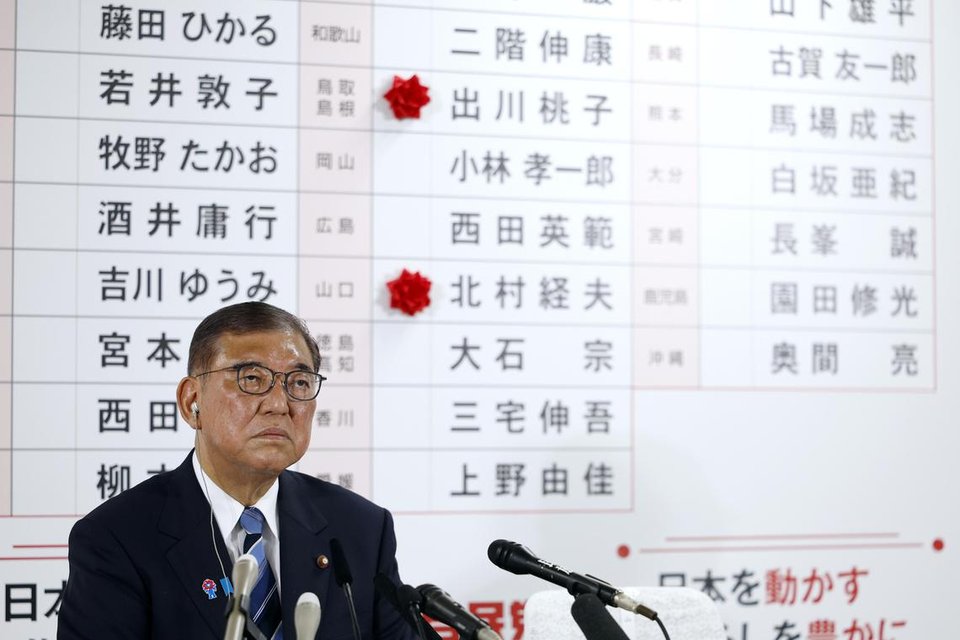
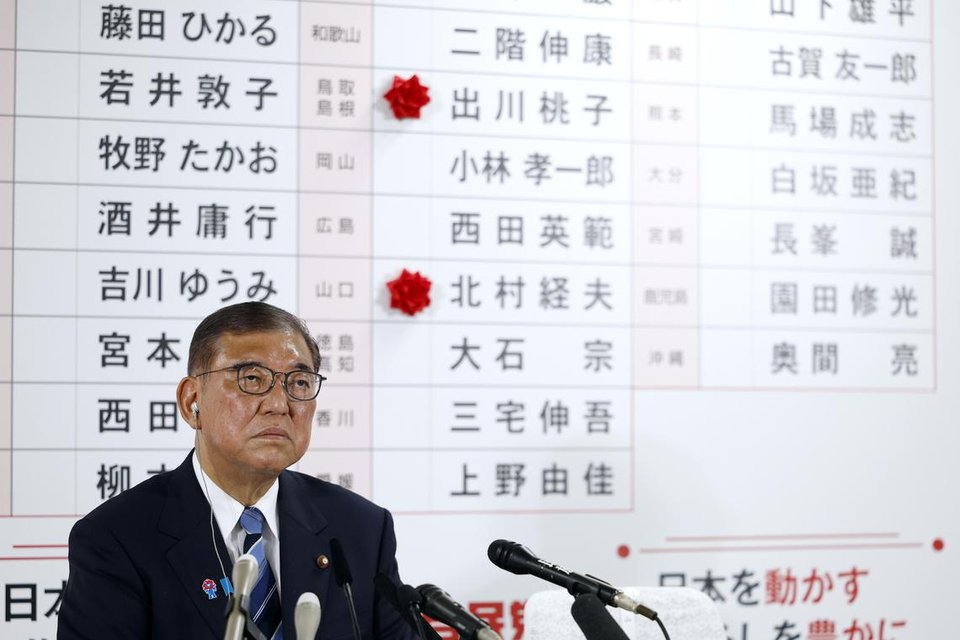
TOKYO – Japanese Prime Minister Shigeru Ishiba faces a deepening political crisis after his ruling coalition suffered heavy losses in the Upper House election on July 20, but he resolutely refused calls to resign.
Exit polls showed that Ishiba’s Liberal Democratic Party (LDP) and its coalition partner, Komeito, fell far short of securing the 50 seats needed to maintain their majority in Japan’s 248-seat Upper Chamber. Final results are expected early on July 21.
The far-right populist Sanseito party emerged as a major winner, projected to claim up to 22 seats — a dramatic increase from its single seat previously. Running on a nationalist “Japanese First” platform, Sanseito campaigned against what it calls a “silent invasion” by foreigners, criticizing foreign investment and tourism as reducing Japan to an “economic colony.” The party also decried Japan’s reliance on foreign labor as a “national doping scheme.”
Despite the grim forecast and mounting pressure from within the LDP to step down, Ishiba insisted he would stay on, emphasizing his responsibility as leader of the largest party in the Diet, even without a majority.
“We must avoid creating a political vacuum and worsening confusion,” Ishiba said in a nationally televised statement.
Japan’s Upper House members serve fixed six-year terms, with half of the 125 contested seats renewed every three years. The LDP-Komeito coalition still holds 75 seats not up for election, but the loss of majority control in both chambers — a first in postwar history — threatens to paralyze policymaking.
Political analysts warn this election exposes growing anti-globalist and xenophobic sentiments among Japanese voters. Toru Yoshida, a political scientist at Doshisha University, said Sanseito’s nationalist rhetoric struck a chord, despite its insistence it is “anti-globalism” rather than “anti-foreigner.”
The election was dominated by economic concerns. Inflation rose 3.3% year-on-year in June, while real wages fell 2.9% in May, eroding household incomes. Although the ruling coalition proposed cash handouts, opposition parties advocated cutting the consumption tax to ease the cost-of-living crisis.
Meanwhile, Sanseito’s calls to prioritize Japanese citizens and reduce foreign influence resonate amid fears of overtourism and property acquisition by foreigners in cities like Tokyo.
Sanseito candidate Saya, a former jazz singer and vocal proponent of nuclear armament and tax cuts, was expected to rank among the top vote-getters in Tokyo’s highly contested seven-seat race, despite controversy over her interview with Russian state media.
Ishiba’s rivals within the LDP, emboldened by the coalition’s poor showing, are pressing for his resignation. Former Cabinet minister Sanae Takaichi, a conservative who lost to Ishiba in the 2024 party leadership race, publicly declared her candidacy to replace him.
Japan’s next national election is not scheduled until 2028, and the next LDP presidential election is set for 2027, unless Ishiba steps down early.
Political experts predict continued legislative gridlock, with the coalition forced to forge ad hoc alliances to pass laws. Opposition parties remain fragmented but could gain strength if they unite.
News You Should See
Manchester City Prepare for Tactical Battle Against Napoli in Champions League
Arsenal Face Borussia Dortmund in High-Stakes Champions League Test
The Hunger Games: Sunrise on the Reaping Delivers $225 Million Global Box Office Debut
US Data Centers Consume as Much Electricity as Michigan, Harvard Study Reveals
AI Enables a 12,000-Pound John Deere Loader to Perform Two-Wheel Stunts
Kodak Launches SlideTag, a Digital Photo Frame with Built-In Bluetooth Tracking
Latest News
Manchester City host Napoli in a key Champions League clash, with Haaland, Foden and Cherki expected to lead the English side's attacking efforts.
Arsenal prepare to host Borussia Dortmund in a crucial Champions League clash, with injuries and tactical decisions potentially shaping the outcome.
The Hunger Games: Sunrise on the Reaping earns $225 million worldwide in its opening weekend, strengthening the franchise's box-office position.
Harvard research estimates that 403 US hyperscale data centers consume up to 99 terawatt-hours annually, raising concerns about AI's environmental impact.
Researchers train a 12,000-pound John Deere 332G loader using AI and reinforcement learning to balance on two wheels and perform controlled movements.
Kodak introduces SlideTag, a $34.99 digital photo accessory featuring a 1.54-inch E Ink screen, photo storage, and Bluetooth tracking support.
Samsung may skip next year's Galaxy Watch launch after disappointing sales expectations, potentially shifting to a two-year release cycle while prioritizing software improvements.
Barcelona come from two goals down to beat Villarreal 3-2 at Camp Nou, with Gerard Martín, Fermín López, and Pau Navarro's own goal securing victory.
Liverpool defeat Manchester United 4-0 at Anfield after Leny Yoro's early red card marks a difficult Premier League debut for Mauricio Pochettino.