Japan’s Crucial July 20 Upper House Election: What It Means for PM Ishiba and National Policy
A strong LDP result could enable constitutional reform and regional revitalization—but a major loss risks political turmoil and stalled security policies.

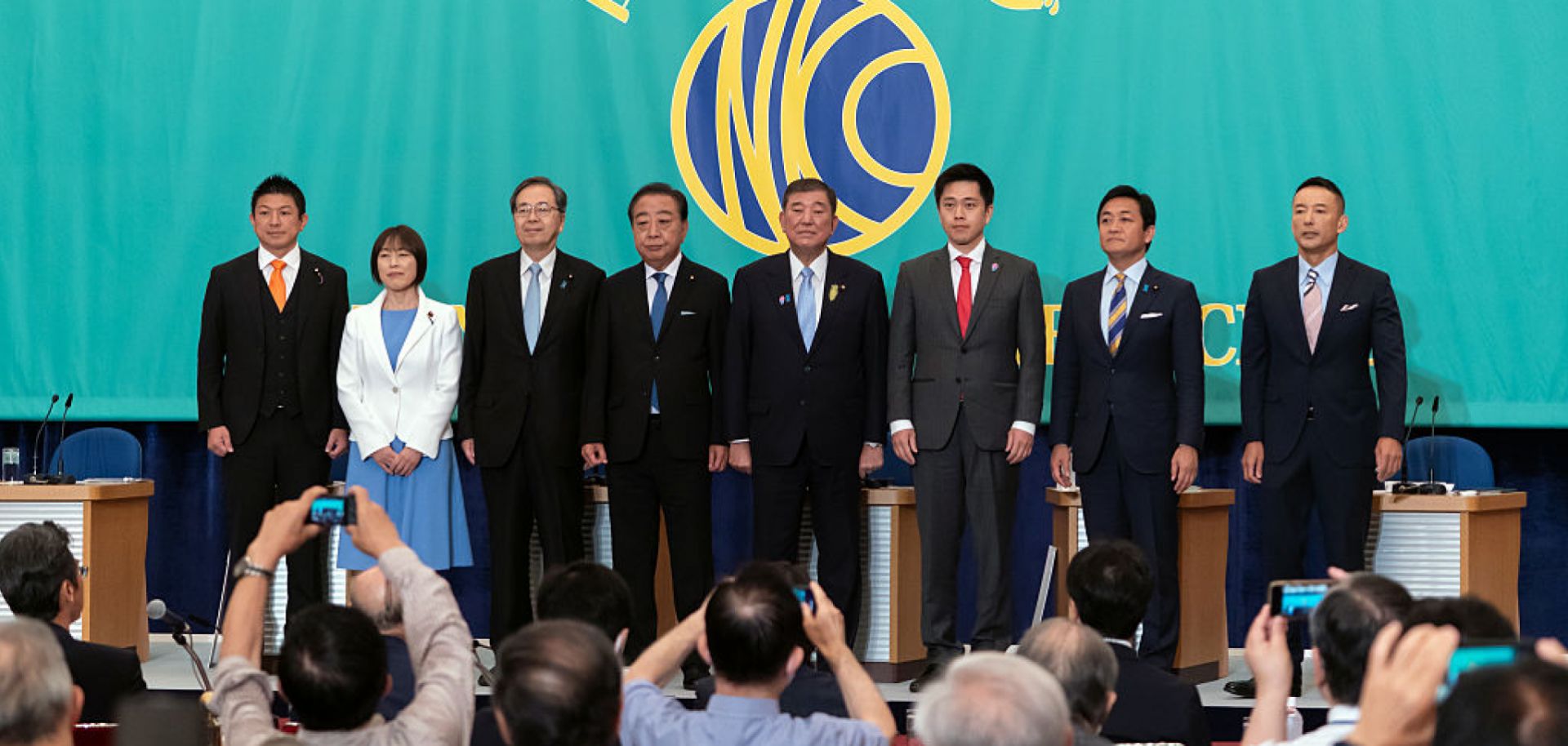
Japan heads to the polls on July 20 to elect 125 of the 248 seats in its upper house (House of Councilors). Typically overshadowed by the lower house, this election takes on added significance: the ruling Liberal Democratic Party (LDP) and its partner Komeito hold only a minority in the lower house, making upper house dynamics crucial for legislative control—and for the fate of Prime Minister Ishiba.
Three Key Scenarios:
✅ 1. Comfortable LDP‑Komeito Majority (≥ +5 seats)
🎯 Outcome: Ishiba retains momentum—no threat to leadership.
Policy Implications:
Snap lower house election likely to solidify LDP control.
Push for constitutional change enabling military expansion.
Launch regional revitalization and rural economic programs.
Accelerate military alignment with the U.S., risking friction with China.
Signal Japan’s stability for global investors; bolster business-friendly climate.
Possible rollbacks of tariffs in U.S. trade talks, but limited concessions—especially on autos; modest agricultural openness.
✔️ 2. Narrow Majority / Minimal Loss
🎯 Outcome: Ishiba stays, but must build coalitions.
Policy Implications:
Focus shifts to short-term goals, e.g., cost-of-living relief, food prices.
Constitutional and military expansion plans stall.
LDP must work cross-party to pass legislation—slower pace, risk of concessions.
Increased likelihood of trade deals including auto/ag concessions.
Introduces moderate transparency reforms, keeps moderate faction influence.
Ongoing internal pressure within LDP limits long-term direction.
⚠️ 3. Major Defeat – Loss of Majority
🎯 Outcome: Potential coup—opposition government or new LDP leader.
Policy Implications:
Ishiba resigns or fails a confidence vote—leadership shake-up.
Policy gridlock or frequent leadership turnover likely.
Constitutional reforms shelved.
U.S.-Japan concerns over regional security cooperation.
Increased chance of vehicle quotas or economic concessions in U.S. trade deals.
Oppositional government may tilt toward social spending, fiscal loosening, and possibly more neutral stance on China.
Potential rise of populist or labor-oriented parties—introducing volatility.
U.S. looks beyond Japan—enhances ties with South Korea, Australia, Philippines.
🔹 Key Stakes for the U.S. and Indo‑Pacific Partners
Security Cooperation: A strong LDP majority will deepen military ties with the U.S.; a weak outcome could delay joint deterrence efforts.
Trade Agreements: A decisive win strengthens Japan’s negotiating position, reducing pressure to concede in agriculture or autos.
Domestic Reform: The upper house result influences Japan’s readiness to pursue domestic revitalization and fiscal austerity.
Political Stability: A major loss risks a leadership vacuum, impacting not only policy across the board but also U.S. strategic calculations in the region.
Japan’s July 20 election’s results are set to shape its foreign policy, security stance, and domestic reform path for years to come. Keep an eye on the margins—the difference between a robust mandate and a narrow victory could shift Japan’s trajectory significantly.
News You Should See
Five Tama County Towns Launch Joint Downtown Revitalization Initiative
Columbus North Students Present Shakespeare’s As You Like It This Weekend
Northeast Ohio Students Rally for Hearing Care Through Charity Volleyball Event
Evanston Arts Council Celebrates Local Talent at Annual Bright Night Event
NBA Cup Group Stage Features High-Stakes Knicks-Pacers and Cavaliers-Heat Showdowns
New Jersey Devils Overcome Capitals With Three-Goal Third-Period Surge
Latest News
Five Tama County communities begin a downtown assessment program focused on storefront upgrades, pedestrian accessibility, and local economic growth.
Columbus North High School drama students stage William Shakespeare’s As You Like It at Judson Erne Auditorium in a weekend theatrical production.
Youngstown State students host the annual Hits for Hearing volleyball fundraiser, supporting access to hearing aids and auditory care across the Mahoning Valley.
Evanston Arts Council celebrates local artists, performers and cultural grant recipients at its annual Bright Night for the Arts event.
The NBA Cup group stage continues November 13 with Knicks-Pacers and Cavaliers-Heat leading a nine-game schedule across the league.
New Jersey Devils defeat Washington Capitals 5-2 after scoring three unanswered third-period goals to secure their 14th NHL win of the season.
Healthcare investments in Asia and the Middle East are transforming hospital rankings through advanced technology, medical tourism and expanded specialist services.
Look-alike contests inspired by Elizabeth Holmes are spreading across American cities, combining entertainment, viral marketing and growing interest in the documentary about the Theranos founder.
A University of Virginia mouse study identifies CASS4's role in brain immune cells and its potential importance in limiting Alzheimer's-related damage.