Japan Wins U.S. Trade Deal — But Prime Minister Ishiba Faces Resignation Pressure
The new U.S.-Japan trade deal lowers tariffs and boosts military cooperation—but may cost Prime Minister Shigeru Ishiba his job.

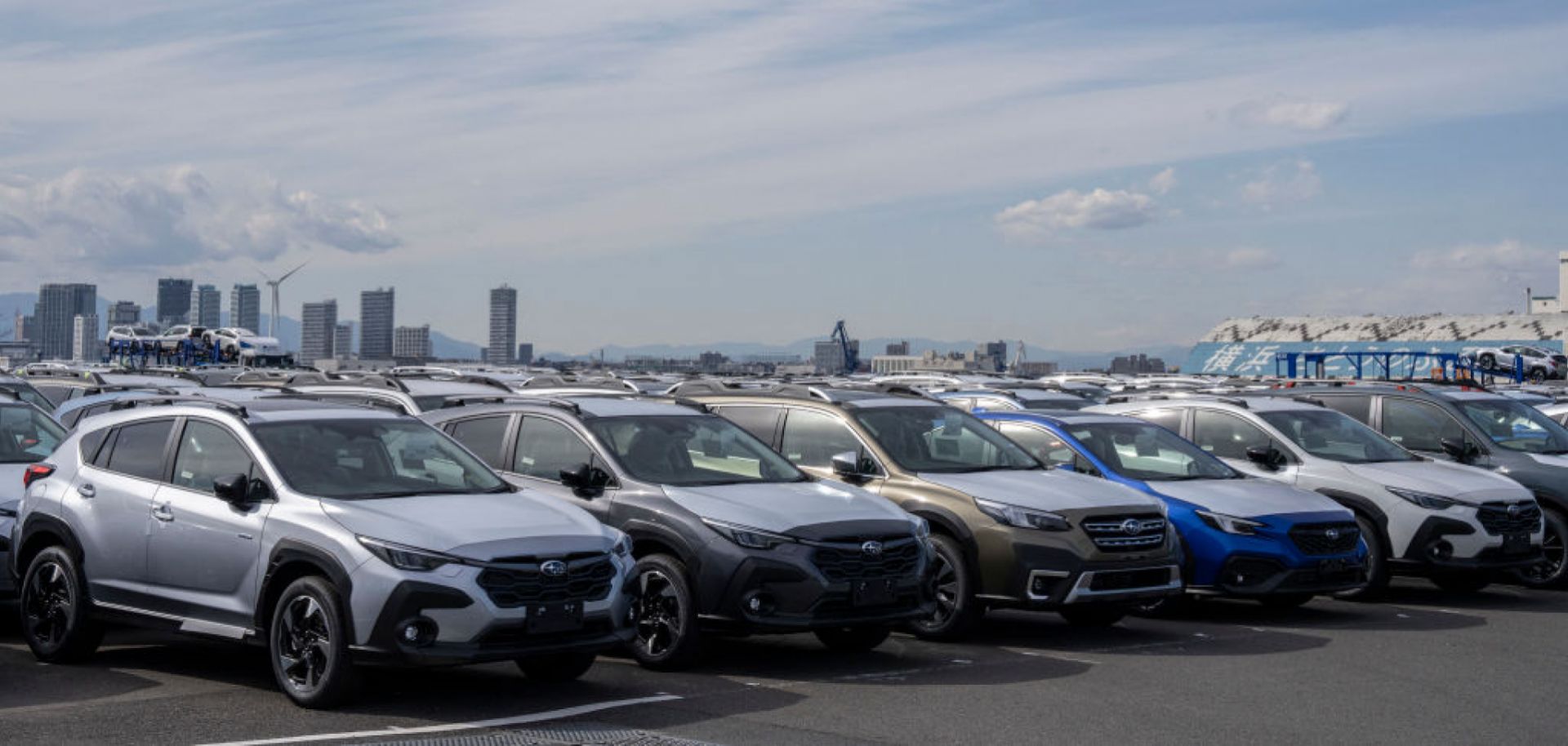
Japan’s Trade Victory with the U.S. May Mark the End for Prime Minister Ishiba
In a major economic breakthrough, Japan has secured a high-stakes trade agreement with the United States. Announced by President Donald Trump on July 22 and confirmed by Prime Minister Shigeru Ishiba a day later, the deal will reduce U.S. tariffs on Japanese automobiles and other exports to 15%, down from a threatened 25%. However, steel and aluminum from Japan will still face steep 50% sectoral tariffs.
In exchange, Japan will:
Remove non-tariff barriers on U.S. car imports,
Increase U.S. rice purchases by 75%,
Buy $8 billion worth of U.S. agricultural products,
Purchase 100 Boeing jets, and
Increase annual defense purchases from the U.S. to $17 billion (up from $14 billion).
Japan also announced a $550 billion investment pledge in the United States, though analysts question how realistic this figure is, given that most of the funds would come from private-sector profits, not government spending.
Political Cost: Ishiba Under Pressure
While the trade deal is a clear economic win, it's a Pyrrhic victory for Prime Minister Ishiba, who is facing mounting pressure to resign. His Liberal Democratic Party (LDP) lost its majority in the upper house on July 20. Though Ishiba initially vowed to remain in office until the trade deal was finalized, now that it's done, many LDP elders are expected to push for his resignation within weeks.
Media reports, including Japan's Yomiuri Shimbun, have suggested that Ishiba may step down before the end of July—a claim he has publicly denied but has not definitively ruled out.
Why Ishiba’s Position Is Weak
The LDP lost the lower house majority in October 2024, giving the opposition power to trigger a no-confidence vote.
However, opposition parties are ideologically fragmented, making coordinated action unlikely.
LDP leaders can force Ishiba’s hand by threatening to withdraw party support or call for an early leadership election.
In Japan’s political system, prime ministers often resign when key party leaders withdraw backing—a scenario now highly probable.
Strategic and Regional Impact
Beyond trade, the deal strengthens U.S.-Japan military cooperation—a key priority as regional tensions with China continue to escalate. Japan agreed to:
Purchase more U.S. defense equipment,
Buy additional Boeing aircraft, and
Maintain defense cost-sharing, while avoiding deeper concessions.
This agreement also sends a strong signal to regional U.S. allies, like South Korea and Taiwan, who are already studying the Japan deal as a model for their own negotiations with Washington. Both countries are seeking relief from U.S. tariffs on key sectors such as automobiles and semiconductors.
Doubts Around $550 Billion Investment Pledge
Although the investment figure made headlines, experts caution that Tokyo has limited power to enforce such a pledge. Japan’s economy is market-driven, and private companies are unlikely to coordinate large-scale investments purely at government request.
Still, even symbolic pledges could help Seoul and Taipei extract favorable trade terms from the U.S., especially with upcoming elections in the U.S. and Asia reshaping diplomatic priorities.
The U.S.-Japan trade agreement is a milestone for economic diplomacy, easing tensions and strengthening alliances in the Asia-Pacific. But for Prime Minister Shigeru Ishiba, it may spell the end of his political career. While Japan celebrates a much-needed trade win, the leadership vacuum and internal party politics are set to dominate headlines in the weeks to come.
News You Should See
Fractile Hits $7 Billion Valuation After Securing $720 Million Funding
Argentina, Uruguay and Australia Headline Key International Friendly Fixtures
Netherlands, Germany and Scotland Headline Packed UEFA Nations League Matchday
New Zealand Crushes India 5-0 in Dominant International Friendly Display
Manchester United Considers Pochettino as Fernandes Rejects New Contract
England Edge Croatia 2-1 to Secure Nations League Quarter-Final Place
Latest News
UK AI chip startup Fractile reaches a $7 billion valuation after raising $720 million in Series C funding to accelerate production of advanced AI inference chips.
Argentina face Uruguay in a major international friendly, while South Korea meet Saudi Arabia and Qatar host Australia in another busy day of international football.
Preview the UEFA Nations League fixtures featuring Netherlands vs Greece, Serbia vs Germany and Scotland vs North Macedonia as teams compete for important group positions.
New Zealand overwhelms India 5-0 in the opening FIFA friendly, with Jesse Randall scoring twice and Chris Wood among the contributors.
Manchester United reportedly considers Mauricio Pochettino for its managerial vacancy as captain Bruno Fernandes rejects an initial contract extension offer.
England defeat Croatia 2-1 under Thomas Tuchel to advance to the UEFA Nations League quarter-finals as Harry Kane celebrates a record-breaking international milestone.
Vancouver, Washington launches its 12th Korey’s Joy Drive, collecting toys, holiday gifts and winter supplies for families through local nonprofits.
Agassi Sports Entertainment partners with Sinclair and Tennis Channel to promote padel and pickleball through nationwide television and digital platforms.
Vizrt completes its acquisition of Chyron, combining broadcast graphics technologies to expand cloud production and real-time augmented reality solutions.