Japan Votes in High-Stakes Upper House Election Amid Economic Discontent
Prime Minister Ishiba Faces Political Survival Test as Voters React to Inflation and Populist Momentum

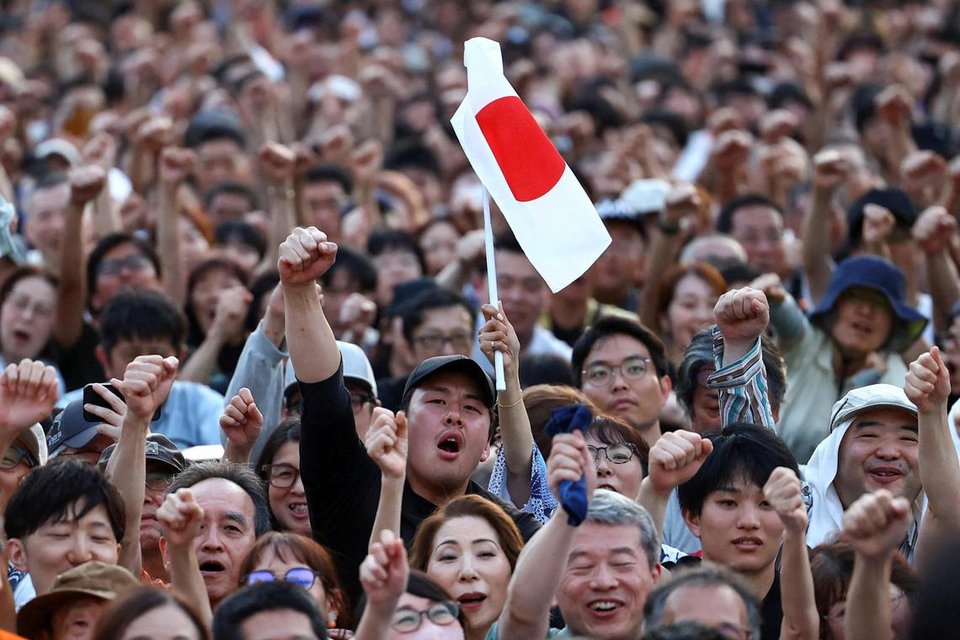
TOKYO — Voting began across Japan on July 20 in a high-stakes election for the House of Councillors (Upper House), with the nation watching closely to see if the ruling coalition led by Prime Minister Shigeru Ishiba can retain its majority in the face of economic dissatisfaction and growing support for smaller, populist parties.
The outcome could shape Japan’s legislative direction and determine whether Mr. Ishiba can hold on to power. Should his Liberal Democratic Party (LDP) and its coalition partner Komeito fail to maintain control of the 248-seat chamber, it would complicate parliamentary procedures and potentially threaten his premiership.
🧾 Key Election Facts
125 seats are being contested: 75 from electoral districts and 50 via proportional representation.
The ruling bloc needs to win at least 50 seats to hold a majority.
The LDP-led coalition currently holds 75 of the remaining seats.
Around 520 candidates are competing in this midterm-style vote.
Upper House members serve 6-year fixed terms, with half replaced every three years.
📉 Economic Woes Take Center Stage
The election comes amid widespread frustration over inflation, with prices of goods and services continuing to climb. Debates during the 17-day campaign period focused heavily on whether to cut or eliminate Japan’s consumption tax, a key concern for working-class voters and families.
Mr. Ishiba, scrambling to win public support, has struggled to rally confidence amid challenges like soaring living costs, tariff tensions with the U.S., and growing dissatisfaction among younger voters.
🗳️ Rising Opposition and Populist Forces
The Constitutional Democratic Party of Japan (CDP), the country’s largest opposition party, hopes to strip the ruling coalition of its Upper House control. Other parties like the Democratic Party for the People and Japan Innovation Party are pushing for aggressive tax reform to ease household burdens.
A wildcard in the election is the populist Sanseito party, which has tapped into youth frustration through savvy social media campaigns and a nationalist platform. Recent polls suggest it could disrupt the traditional political balance.
News You Should See
Queens Celebrates Arts, Music and Family Activities with Diverse Weekend Events
Hollywood Faces New AI Debate as Startup Explores Selling Digital Versions of Human Faces
Arsenal Face Goalkeeping Concerns After David Raya Injury
European Leaders Urge New Iran Policy, Back Democratic Opposition and Reject Monarchy
Bayonne Mayor Sharon Ashe-Nadrowski Joins Thanksgiving Turkey Drive, Praises Community Organizations and Invites Residents to Attend
Seattle Communities Celebrate Holiday Season with Local Markets and Cultural Activities
Latest News
Queens hosts a weekend of cultural events featuring artisan markets, children's classical music activities, documentary screenings, gardening workshops and theater.
A microdrama startup explores selling AI-generated digital faces, raising concerns about consent, ownership, compensation, and the future of Hollywood performers.
Arsenal draw 2-2 with Newcastle as goalkeeper David Raya suffers an injury, raising concerns for Mikel Arteta ahead of upcoming Premier League fixtures.
Former European leaders and parliamentarians call for a new Western policy toward Iran, supporting an Iranian-led democratic transition and stronger human rights measures while rejecting a return to monarchy.
Bayonne Mayor Sharon Ashe-Nadrowski joins a Thanksgiving turkey drive with local organizations, police officers, and volunteers to support families.
Explore holiday markets, handmade gifts, live music, and cultural events in Shoreline and Lake Forest Park, Washington, on November 22.
Nvidia faces contrasting industry expectations as AI demand grows, with its financial performance and leadership shaping the future of computing.
Signal introduces mobile screenshot restrictions on Android and iOS as concerns grow over AI-powered surveillance and digital privacy.
AI agents are transforming messaging platforms by helping users organize daily activities, plan travel, manage work, and complete everyday tasks.