Japan, South Korea Urge U.S. Tariff Talks as Trump’s 25% Trade Penalties Loom
With U.S. tariffs on Japanese and South Korean goods set to start Aug. 1, both countries scramble to secure trade carveouts before the economic hit lands.

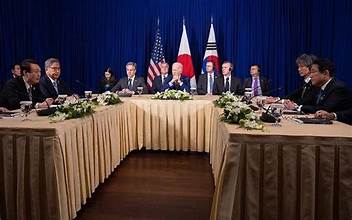
Japan and South Korea Intensify Tariff Talks as U.S. Deadline Approaches
With the August 1 deadline fast approaching, both Japan and South Korea are stepping up diplomatic efforts to avoid sweeping 25% reciprocal U.S. tariffs that could seriously disrupt trade and manufacturing.
According to Asahi Shimbun on July 8, Japanese Prime Minister Shigeru Ishiba publicly criticized the Trump administration’s new tariffs on Japanese exports but expressed a strong commitment to continue negotiations. In South Korea, senior officials also convened high-level meetings and announced similar intentions to ramp up diplomatic engagement with Washington.
Despite the push, both countries face an uphill battle. The 25% tariff rate, announced earlier this month, is slated to hit a wide range of Japanese and South Korean goods unless new U.S.-favored trade or industrial cooperation terms are agreed upon. These could include:
Increased purchases of U.S. agriculture, LNG, and aerospace products
Export restraints on autos or steel
Alignment with U.S.-led technology supply chains
Reduced dependence on Chinese inputs in critical sectors like semiconductors or batteries
If the tariffs are fully implemented, Japanese and South Korean exporters—especially in automotive and steel—will bear the brunt of the impact. It could also disrupt supply chain operations for U.S. multinationals with manufacturing ties to the region.
On July 7, both Prime Minister Ishiba and South Korean President Lee Jae Myung received official letters from the Trump administration, confirming the new tariff regime and offering one final window for negotiations. These letters mark the culmination of months of stalled talks, during which time the U.S. has sharpened its protectionist stance even against long-time allies.
This development underscores a broader shift in U.S. trade policy under President Trump — one that prioritizes leverage and reciprocity even in its dealings with key strategic partners in Asia. While diplomatic channels remain open, the limited time frame and firm deadline make full exemptions increasingly unlikely without significant economic concessions.
News You Should See
Kodak Launches SlideTag, a Digital Photo Frame with Built-In Bluetooth Tracking
Samsung May Shift Galaxy Watch to a Two-Year Launch Cycle Amid Sales Challenges
Barcelona Stage Stunning Comeback to Defeat Villarreal 3-2 and Extend LaLiga Lead
Liverpool Dominate Manchester United 4-0 as Pochettino Suffers Nightmare Debut
Five Aberdeen Police Officers Honored for Courage During Attempted Fire Attack
NYC Hate Crimes Prevention Director Meets Muslim Community to Discuss Safety and Inclusion
Latest News
Kodak introduces SlideTag, a $34.99 digital photo accessory featuring a 1.54-inch E Ink screen, photo storage, and Bluetooth tracking support.
Samsung may skip next year's Galaxy Watch launch after disappointing sales expectations, potentially shifting to a two-year release cycle while prioritizing software improvements.
Barcelona come from two goals down to beat Villarreal 3-2 at Camp Nou, with Gerard Martín, Fermín López, and Pau Navarro's own goal securing victory.
Liverpool defeat Manchester United 4-0 at Anfield after Leny Yoro's early red card marks a difficult Premier League debut for Mauricio Pochettino.
Five Aberdeen Township police officers receive New Jersey PBA Valor Awards for their bravery during an alleged kerosene attack.
NYC hate crimes prevention director Vijah Ramjattan meets Muslim community members to discuss public safety, trust, inclusion, and hate crime prevention.
TN News partners with Technology & More to modernize its website, improve user experience, strengthen SEO, and expand its digital news capabilities.
Queens hosts a weekend of cultural events featuring artisan markets, children's classical music activities, documentary screenings, gardening workshops and theater.
A microdrama startup explores selling AI-generated digital faces, raising concerns about consent, ownership, compensation, and the future of Hollywood performers.