Japan Plans Rice Policy Reversal Amid Shortage and Surging Prices
Facing a national rice crisis, Tokyo shifts from decades of output restrictions toward a growth model — but farmers remain cautious.

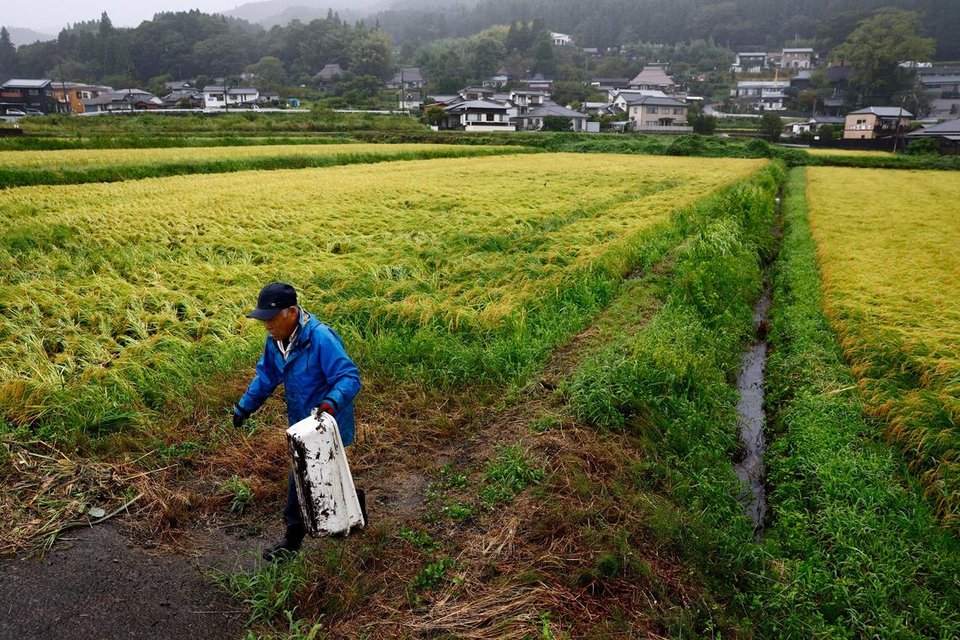
JOETSU, Japan – After more than 50 years of deliberately curbing rice production to stabilize prices, Japan is preparing for a major shift in policy: encouraging farmers to grow more rice. The move comes as the country battles a national shortage and record-high prices, turning the staple grain into a luxury for many households.
The government’s new agricultural strategy, announced in 2025, marks a historic reversal. Tokyo aims to strengthen food security and expand rice exports while trying to avoid a collapse in prices that could hurt its politically influential farming base.
For veteran farmers like Kazuhachi Hosaka in Niigata Prefecture, the change is welcome—but comes with deep uncertainty.
“We’d want the government to make sure there’s some kind of safety net for producers,” Hosaka said from his 180-hectare farm. “Switching back to staple rice isn’t hard in itself, but major land use changes will need labor, equipment, and investment.”
Hosaka has already shifted 20 hectares from feed-use rice back to staple rice, betting on high prices. Yet he worries that overproduction could lead to a crash in the market when the new policy officially takes effect with the 2027 crop year.
A Sacred Grain Faces Crisis
Japan’s rice isn’t just food—it's cultural heritage. Cultivated for over 2,000 years, short-grain Japonica rice holds spiritual importance in Shinto tradition and national identity. Trade barriers have long shielded the domestic market.
But 2025 has turned rice into a national crisis. A poor harvest in 2023, worsened by government misjudgment, led to a severe shortage by mid-2024. Prices doubled, imports surged, and Japan—long a rice exporter—became a net importer.
“It’s important that prices settle at a level acceptable to both producers and consumers,” said Hosaka, who believes a range of 3,000 to 3,500 yen per 5kg is sustainable.
Retail rice prices peaked above 4,000 yen ($35) per 5kg in June 2025, up 70% from the previous year. To calm voters ahead of the July 20 upper house election, the government has released emergency rice stockpiles, selling at around 2,000 yen per bag.
From Restriction to Expansion
For decades, Japan paid farmers subsidies not to grow staple rice, aiming to prevent oversupply. But that model failed in 2024, when unexpected shortages drove prices up while global prices fell.
Under the new policy, Tokyo plans to lift restrictions and produce 350,000 tons of rice for export by 2030, a massive jump from the current 45,000 tons. Officials say this stock could be redirected to the domestic market during future shortages.
Still, experts like Professor Kazunuki Ohizumi, a veteran in agricultural policy, warn the export goals may not be realistic.
“Japanese rice is expensive and niche overseas. Scaling that to 350,000 tons would require serious price competitiveness, and we’re not there yet,” he said.
Japanese consumers are also increasingly embracing imported varieties like U.S. Calrose and rice from Taiwan, Vietnam, and Thailand, especially as costs soar.
Rising Costs, Rising Doubts
While the government promises support and is urging farmers to embrace AI and cost-saving tech, production costs continue to rise. Fertilizer, pesticides, and fuel have all become more expensive.
Hosaka, like many farmers, remains worried.
“The government has released a lot of stockpiled rice, and that’s putting more downward pressure on prices. It’s tough,” he said.
With many farmers and voters watching closely, Tokyo must now strike a delicate balance: stabilizing prices, ensuring domestic food security, and making Japanese rice a global contender—all while maintaining support from one of its most powerful constituencies.
News You Should See
FEMA and FCC Set Nationwide Emergency Alert System Test for Today
Lisa's 'Always Lalisa' Documentary Set for November 18 YouTube Premium Release
Darius Rucker Documentary Traces His Rise From Rock to Country Music
Hollywood Honors Glenn Close and Ridley Scott at Governors Awards
Toronto Tempo Claim Top Selection in 2027 WNBA Draft Lottery
Detroit Lions Overpower Patriots 35-10 in Munich Behind Jahmyr Gibbs' Outstanding Performance
Latest News
FEMA and the FCC will test America's Emergency Alert System on November 17 at 2:20 p.m. ET. Radio and TV broadcasts will be interrupted briefly.
Lisa's Always Lalisa documentary arrives on YouTube Premium November 18, featuring her solo career, Coachella performances and The White Lotus experience.
The Hulu documentary explores Darius Rucker's journey from Charleston to rock success with Hootie & the Blowfish and his country music career.
Glenn Close and Ridley Scott receive honorary Oscars alongside Floyd Norman, Pamela Koffler and Christine Vachon at Hollywood's Governors Awards.
Toronto Tempo secure the No. 1 pick in the 2027 WNBA Draft, raising expectations around the franchise's rebuilding plans and potential interest in JuJu Watkins.
Detroit Lions defeat New England Patriots 35-10 in Munich as Jahmyr Gibbs records 252 scrimmage yards and two touchdowns.
Minnesota Vikings defeat Green Bay Packers 30-10 as Kirk Cousins throws two touchdowns and the defense delivers eight sacks and four turnovers.
AAA expects 81.5 million Americans to travel for Thanksgiving 2026, with nearly six million flying as transportation costs influence holiday plans.
Nvidia's upcoming earnings report could offer insights into AI chip demand, data center investments and investor confidence amid uncertainty in the technology market.