Italy's Castelluccio Bloom Demonstrates How Traditional Farming Shapes a Global Tourism Identity
A seasonal transformation driven by lentil cultivation highlights the economic value of biodiversity, cultural heritage and sustainable rural tourism in the heart of Umbria.

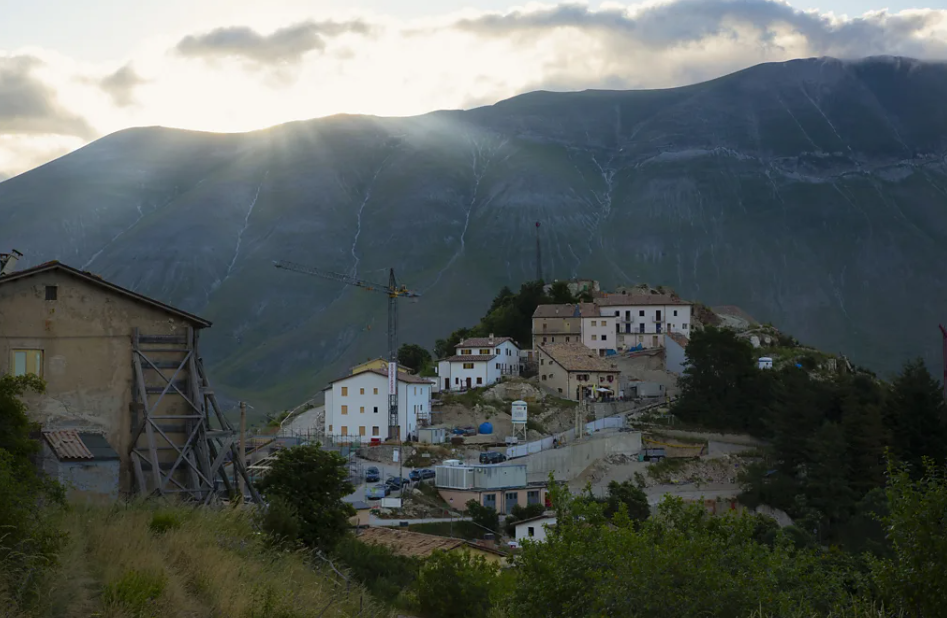
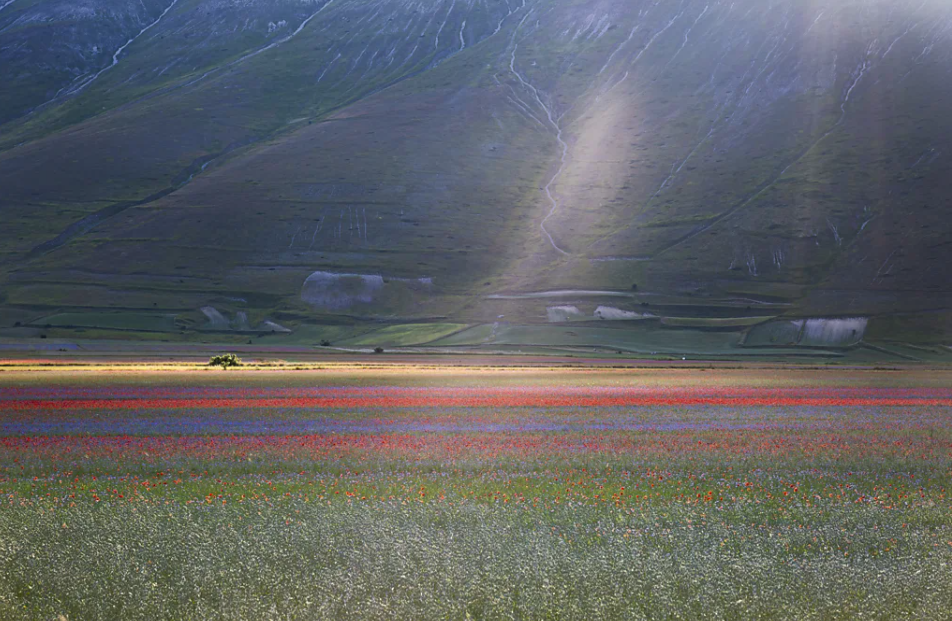
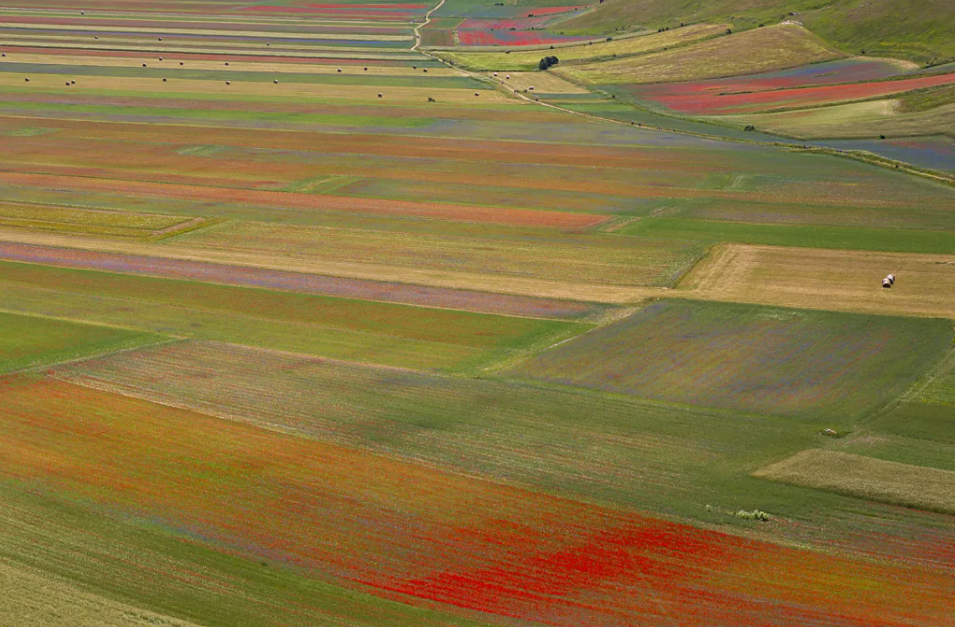
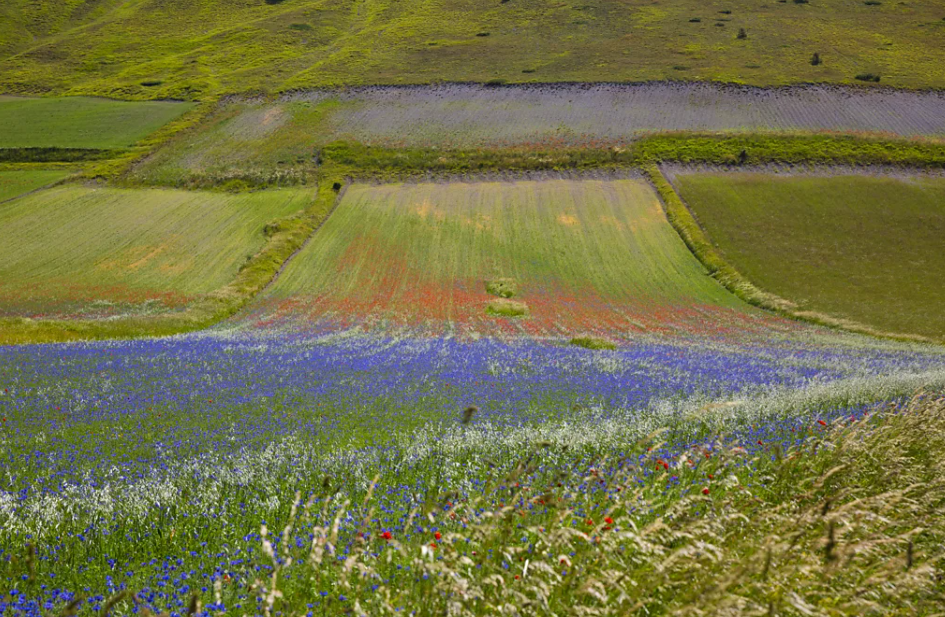
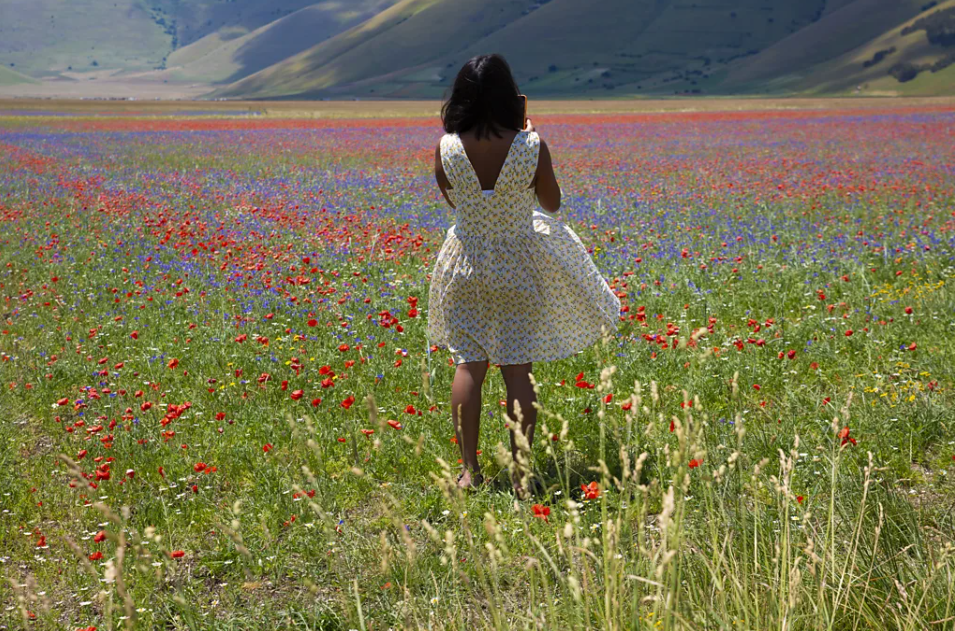
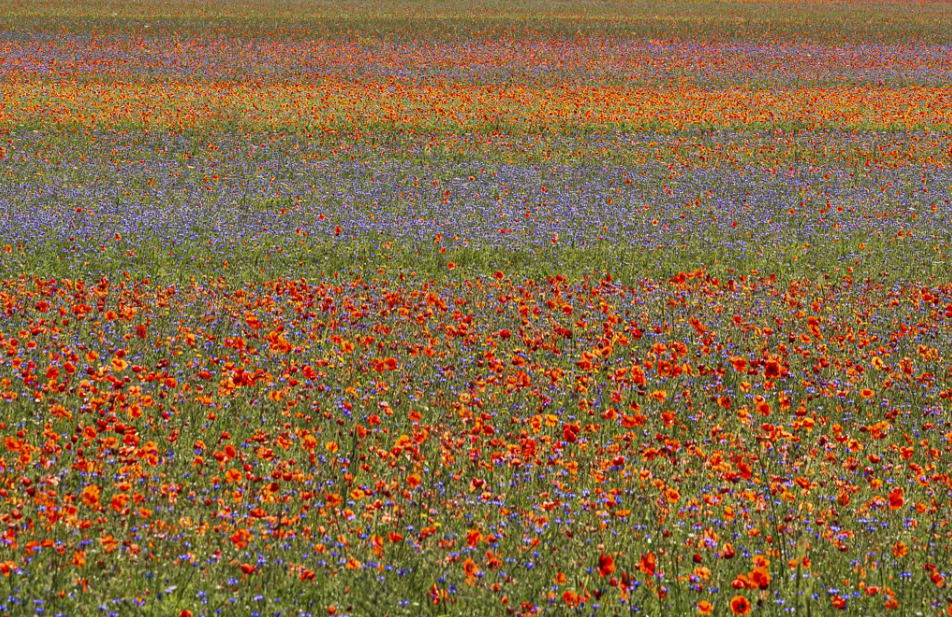
Hidden among the mountains of Italy's Umbria region, the village of Castelluccio di Norcia has become an international example of how traditional agriculture can evolve into a globally recognized tourism brand without losing its cultural authenticity. Each year, from late spring through early summer, the surrounding plateau undergoes a remarkable seasonal transformation as agricultural fields and naturally occurring wildflowers create a landscape of vibrant colors that attracts photographers, hikers, nature enthusiasts and international travelers.
Unlike destinations built around artificial attractions, Castelluccio's appeal originates from an agricultural practice that has been maintained for generations. Lentils remain the primary crop cultivated across the plateau, yet the visual spectacle that has made the destination famous is created largely by native wildflowers flourishing naturally among the low-growing plants. The agricultural cycle, biodiversity and local ecosystem work together to produce an ever-changing natural landscape that differs in appearance each season.
This relationship between farming and ecology reflects an important model of sustainable land management. Lentils enrich the soil through nitrogen fixation while allowing sunlight to reach surrounding vegetation, enabling dozens of native flower species—including poppies, cornflowers, wild mustard, rapeseed and wild field peas—to flourish across the plains. Rather than competing with nature, local agricultural traditions actively support biodiversity.
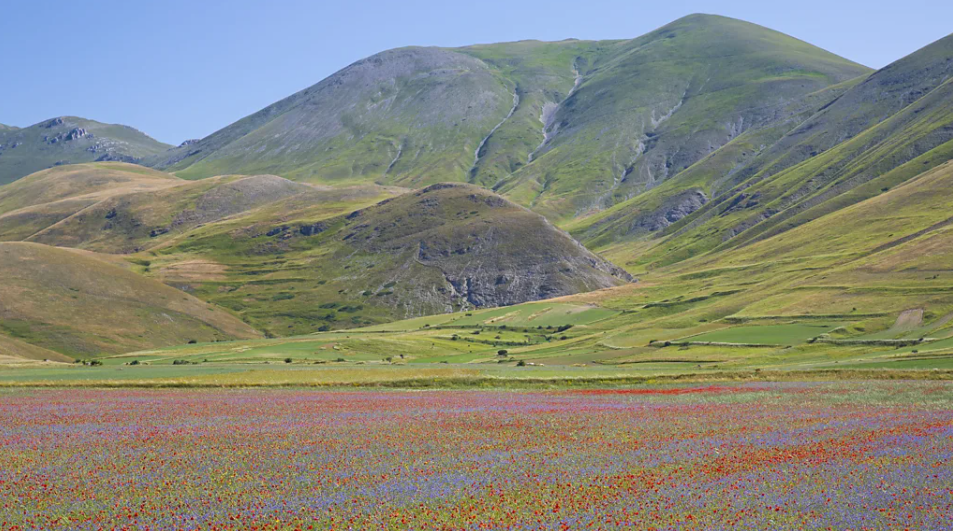
The plateau itself tells a geological story spanning thousands of years. Once covered by ancient waters, the landscape gradually evolved through tectonic activity, glacial movement, rainfall and erosion into one of central Italy's most fertile high-altitude plains. These environmental conditions continue to create the microclimate necessary for both agricultural production and seasonal flowering.
The annual bloom has also acquired profound symbolic significance following the devastating earthquake that struck the region in 2016. Although the disaster severely affected Castelluccio and dramatically reduced its permanent population, the return of the bloom each year has become a visible reminder of resilience, renewal and community determination. Local businesses, hospitality operators and farmers continue rebuilding the area's economy while preserving centuries-old traditions.
From an economic perspective, the bloom represents one of the village's most valuable seasonal assets. Tourism generates income for family-owned accommodations, restaurants, agricultural producers, local artisans and regional food businesses. Visitors are encouraged not only to admire the landscape but also to experience local cuisine centered on Castelluccio's Protected Geographical Indication (IGP) lentils, renowned for their delicate texture, nutritional value and culinary quality.
Social media has significantly expanded the destination's global visibility. Images of the colorful plains circulate widely each summer, transforming the bloom into one of Italy's most recognizable seasonal landscapes. Digital exposure has strengthened regional branding while attracting international visitors seeking authentic rural experiences beyond traditional urban tourism.
However, increasing popularity has introduced new management challenges. Authorities have implemented transportation controls during peak bloom periods by prioritizing shuttle buses and motorcycles while limiting parking access for private vehicles. Visitors are required to remain on designated walking paths to protect both fragile ecosystems and active agricultural fields. These measures demonstrate how sustainable tourism depends on balancing visitor demand with environmental conservation.
An additional characteristic of the bloom is its natural variability. Since individual farmers cultivate scattered plots and planting schedules differ from field to field, the colors and flowering patterns change every year. Weather conditions also influence the dominance of particular flower species, ensuring that no two seasons produce exactly the same visual composition. This unpredictability has become part of the destination's appeal, encouraging repeat visits from photographers and travelers.
Despite increasing climate-related pressures affecting agricultural regions across Europe, the annual bloom continues to symbolize the adaptability of both nature and local communities. Each successful flowering season reinforces Castelluccio's identity as a destination where environmental stewardship, agricultural heritage and tourism development coexist within a sustainable economic framework.
The experience demonstrates that rural destinations can build internationally competitive tourism brands by preserving rather than replacing local traditions. Instead of creating artificial attractions, Castelluccio has transformed its agricultural heritage into an authentic destination identity that generates economic opportunity while safeguarding its environmental and cultural resources for future generations.
News You Should See
P&G Raises Fiscal 2027 Cost Warning as Oil and Freight Expenses Threaten Profits
Chemical Tank Leak in Toledo Triggers Evacuations and Industrial Disruptions
Judge Sets December 11 Deadline for Trump Deposition in BBC Defamation Case
Iowa Senate Race Tests How Far Republicans Can Separate Themselves From Trump
California State Workers Strike Over Pay, Healthcare and Return-to-Office Rules
Streaming’s October Showdown: How Disney, Netflix and Major Entertainment Brands Compete for Audiences
Latest News
Procter & Gamble expects commodity, energy and transportation costs to reduce fiscal 2027 profit by $1.4 billion. Quarterly sales rose 4% to $23.28 billion, beating analyst expectations.
A ruptured chemical tank in Toledo, Ohio, prompted evacuations, school closures and an industrial shutdown. Authorities have reduced the restricted zone as the release slows and cleanup preparations continue.
A federal judge has ordered Donald Trump to give a deposition by December 11, 2026, in his $10 billion lawsuit against the BBC, with possible sanctions for noncompliance as the discovery deadline approaches.
Iowa’s 2026 Senate race pits Republican Ashley Hinson, balancing Trump support with economic concerns, against Democrat Josh Turek, who emphasizes bipartisanship amid rising campaign spending.
Thousands of California state workers struck on October 21 over a proposed three-year pay increase, healthcare costs and a four-day office attendance requirement as contract negotiations continued.
October 2026 brings major entertainment releases across Disney+, Netflix, HBO Max, Hulu, Prime Video and Peacock. Explore how familiar franchises, exclusive programming, new music and video games shape competition for streaming audiences.
Saudia advises travelers to book flights through Al Qassim Airport for Riyadh connections, offering free hourly shuttle buses in both directions until further notice.
An AP-NORC poll shows Democratic confidence in accurate vote counting falling to 55%, while Republican confidence rises to 38%, highlighting election integrity concerns ahead of the 2026 US midterms.
Donald Trump campaigns in North Carolina ahead of the November 2026 midterms as low approval ratings, rising fuel costs, Democratic early-voting gains and funding disparities challenge Republican efforts to retain control of Congress.