Italy Seeks to Preserve Egypt Ties After Regeni Verdict
Rome is separating the conviction of three Egyptian officials from its wider relationship with Cairo as migration, energy and regional cooperation remain strategic priorities.

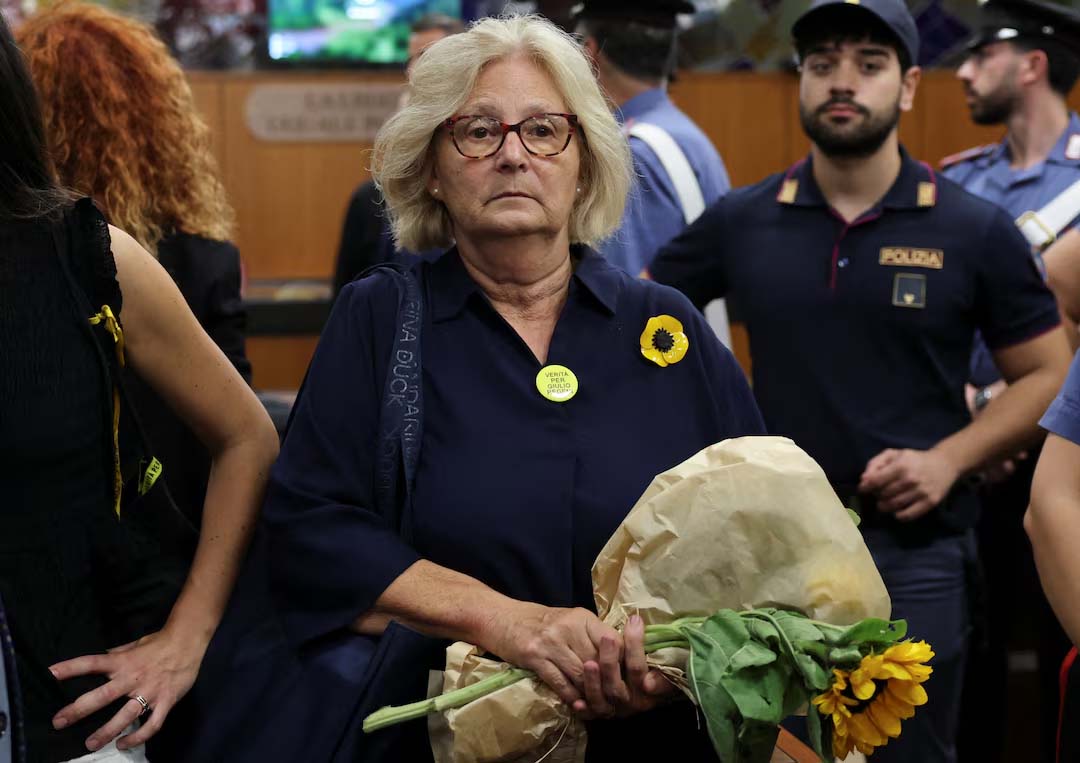
Italy is facing a delicate diplomatic test following the conviction in Rome of three Egyptian security officials over the 2016 abduction of Italian researcher Giulio Regeni. While the ruling closes a major judicial chapter for Regeni’s family, the Italian government is signaling that the case should not automatically redefine its broader relationship with Egypt.
Foreign Minister Antonio Tajani drew a distinction between the individuals convicted and the Egyptian state, stressing that the court had convicted three people rather than Egypt itself. The position reflects Rome’s effort to keep the judicial outcome separate from a relationship that has gained strategic importance under Prime Minister Giorgia Meloni.
Regeni, a 28-year-old Cambridge postgraduate researcher, disappeared in Cairo on January 25, 2016. His body was found days later and an autopsy established that he had been extensively tortured. A Rome court subsequently convicted three senior Egyptian officials in absentia, while acquitting a fourth defendant and dropping a murder charge against one of the defendants. Egypt has denied state involvement and did not cooperate with the Italian proceedings or disclose the whereabouts of the accused.
The political sensitivity of the case is heightened by the nature of Regeni’s research into independent trade unions in Egypt. Italian prosecutors argued that his work had brought him into conflict with Egyptian state authorities. Egyptian explanations for his death changed over time, including an initial claim that he had died in a road accident and a later explanation involving a criminal gang.
For Rome, however, the relationship with Cairo now extends well beyond the Regeni case. Italy regards Egypt as an important partner on migration, energy security and efforts to stabilize North Africa and the eastern Mediterranean. Earlier in September, Tajani visited Cairo and signed agreements intended to expand cooperation, including measures aimed at strengthening joint efforts against people trafficking and irregular migration.
That strategic calculation explains why the Italian government's response has focused on containing the diplomatic consequences rather than treating the verdict as a turning point in bilateral relations. Egypt is an important regional counterpart for Italy, and the two countries have interests that span energy supplies, migration management, security and commercial cooperation.
The response has nevertheless created a domestic political dispute in Italy. Democratic Party leader Elly Schlein argued that the verdict demonstrated responsibility at the highest levels of the Egyptian administration, while lawyer Alessandra Ballerini called for Italy to sever relations with Cairo. Angelo Bonelli of the Greens and Left Alliance also criticized the government's approach, accusing it of giving commercial and energy interests excessive weight in its response to the case. These are political positions expressed by Italian opposition figures and do not constitute an independent finding about the government's motives.
The business dimension is particularly significant because diplomatic stability can affect the environment in which cross-border energy projects, investment agreements and commercial partnerships operate. A sharp deterioration in relations could complicate cooperation in these areas, while maintaining dialogue allows both governments to pursue interests that have become increasingly interconnected.
The legal process also means the issue is unlikely to disappear immediately. Under Italian law, the prosecution and defense have two levels of appeal available before a verdict becomes definitive. Any extradition request would therefore depend on the further progress of the judicial process and could take years.
The Regeni case now sits at the intersection of justice, diplomacy and economic strategy. Italy's approach suggests that Rome intends to pursue the legal process while protecting channels of cooperation with Cairo. How that balance develops will shape not only the political relationship between the two governments, but also the wider framework for energy, migration, security and commercial engagement between Italy and Egypt.
News You Should See
2026 Nobel Medicine Prize Honors Scientists Behind Optogenetics Breakthrough
Oil Prices Edge Lower as Stronger Middle East Exports and G7 Reserves Ease Supply Concerns
Trump Offers U.S. Assistance to Russia After Death at Siberian Plague Research Institute
Trump Takes Economic Message to Nebraska as GOP Faces Rising Cost-of-Living Pressure
U.S. Appeals Court Weighs Trump Administration’s $2.6 Billion Harvard Funding Fight
U.S. Midterm Elections Begin With Resilient Jobs Market and Persistent Cost Pressures
Latest News
The 2026 Nobel Prize in Physiology or Medicine honors Karl Deisseroth, Peter Hegemann and Georg Nagel for pioneering research behind optogenetics and its impact on neuroscience.
Oil prices edged lower as stronger Middle Eastern exports and a planned G7 release of 100 million barrels eased immediate supply concerns, while Gulf security risks and the Strait of Hormuz kept markets alert.
President Donald Trump said the United States would help Russia if needed after a laboratory worker died at a Siberian plague research institute, as Russian authorities imposed precautionary quarantine measures.
Trump’s Nebraska campaign stop highlights rising fuel and grocery costs, beef prices and growing economic pressure on Republicans ahead of the November midterm elections.
A U.S. appeals court is reviewing the Trump administration’s effort to cut Harvard’s federal research funding, with more than $2.6 billion at stake.
The U.S. enters the 2026 midterm elections with unemployment at 4.2%, while higher living and energy costs create economic pressure for households and businesses.
US services growth eased in September as input prices climbed to their highest level since July 2022, with fuel costs, supply-chain disruptions and strong demand increasing pressure on businesses.
Rising Treasury yields are increasing U.S. borrowing costs as Washington manages record debt, persistent inflation and strong economic demand, narrowing its policy options.
A EGP 16 million corporate partnership will establish and equip a bone marrow transplant unit at Cairo’s Coptic Hospital, supporting access to specialized treatment for patients.