Iraq’s Power Crisis Deepens as Iranian Energy Imports Dwindle
The end of U.S. sanctions waivers and falling Iranian gas exports are driving Iraq toward a summer of extended blackouts, growing protests, and economic disruption.

Iraq’s Power Crisis Deepens as Iranian Energy Imports Dwindle
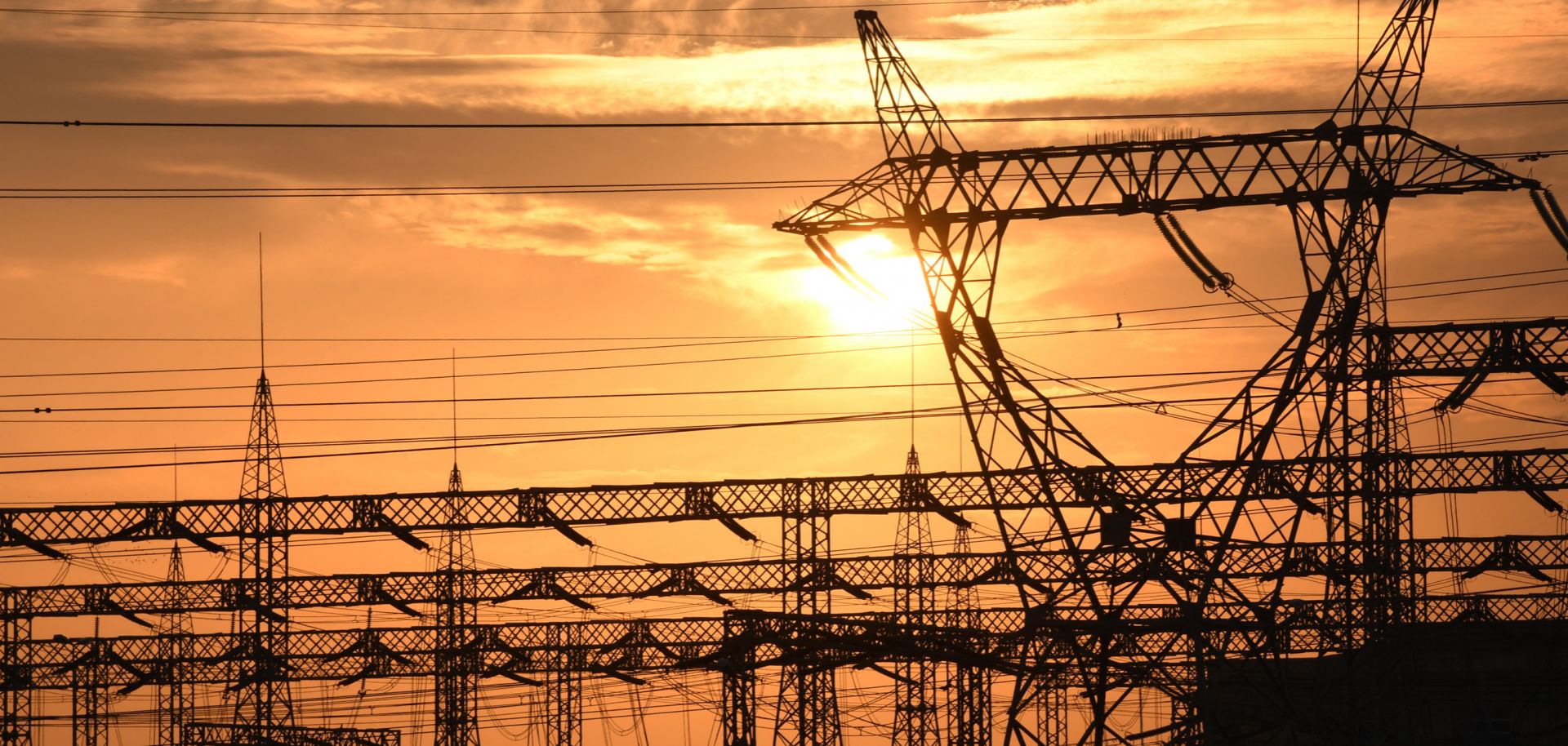
Iraq’s ongoing electricity crisis is spiraling toward a breaking point. The halt of Iranian electricity imports and a sharp reduction in Iranian gas supplies are crippling Iraq’s ability to meet national energy demand — especially during the blistering summer months — and are fuelling a new wave of protests across the country’s south and center.
⚡ Six-Hour Daily Blackouts Grip the Nation
With up to six hours of electricity outages per day, many Iraqis are relying on costly private generators. Demonstrations have erupted in Najaf, Basra, Dhi Qar, Karbala, Babil, and al-Diwaniyah, where protesters have blocked roads, burned tires, and at times clashed with security forces.
Although largely peaceful so far, the protests reflect rising frustration over years of failed infrastructure reform and growing anger at the government's inability to deliver basic services.
🇮🇷 The Iranian Energy Link Severed
The immediate catalyst for the worsening crisis was the March 8 expiration of a U.S. sanctions waiver that previously allowed Iraq to import Iranian electricity. President Donald Trump’s administration declined to renew the waiver, aiming to intensify pressure on Tehran to return to nuclear negotiations.
Although Iraq has been gradually expanding domestic generation, it still relies heavily on imports — not just for electricity, but also for Iranian natural gas, which fuels up to 40% of Iraq’s power plants.
In early July, Iran cut gas exports to Iraq by over 50%, from 55 million to 25 million cubic meters per day, forcing multiple power stations to shut down and cutting national electricity generation by 3,800 megawatts.
🔄 Limited Backup Options
To fill the gap, Prime Minister Mohammed Shia al-Sudani has pursued new deals:
A June agreement with Turkey’s Alfirin Energy will double capacity on the Turkey-Iraq transmission line to 600 megawatts starting in July.
Baghdad is also in talks with Jordan and Turkmenistan to source more electricity.
However, these alternatives take time to implement and fall short of replacing lost Iranian energy, particularly during periods of peak summer demand.
⚠️ Deeper Cuts Could Trigger Violent Unrest
Iraq remains at risk of losing even more energy supplies under two plausible scenarios:
The U.S. cancels the remaining sanctions waiver allowing Iraq to import Iranian gas.
Iran cuts gas exports further due to its own rising domestic demand.
Either case would result in deeper blackouts, limiting power to just a few hours per day and likely sparking larger, more violent protests — particularly in southern cities like Basra, which have a history of energy-related unrest.
🧱 Enduring Structural Challenges
Even with new agreements, Iraq’s energy sector remains plagued by:
Corruption and mismanagement.
Inefficient transmission networks, which lose large portions of generated power.
Underfunded infrastructure, further strained by falling oil revenues, which fund 90% of the state budget.
In short: Iraq produces far less electricity than it could, and lacks the fiscal space to close the gap quickly.
🗳️ Political Risks Mount Ahead of 2025 Elections
The worsening power crisis is also becoming a political flashpoint as Iraq heads toward parliamentary elections in November 2025. Anger over electricity, combined with delayed public sector salaries, unemployment, and access to clean water, could galvanize opposition and challenge the current government’s legitimacy.
In 2019, widespread and violent protests over power outages and corruption paralyzed southern Iraq. A repeat scenario now looks increasingly likely unless the government can stabilize energy access.
📌 Conclusion: A Crisis Without a Quick Fix
Iraq is caught in a dangerous energy trap. Its dependence on Iranian gas, combined with the expiration of key U.S. sanctions waivers, has exposed just how vulnerable its electricity grid is. Stopgap measures, like boosting imports from Turkey or Jordan, will not be enough to stave off public anger or stabilize the grid long-term.
Without rapid intervention, either by international actors or through domestic reform, Iraq faces a summer of escalating protests, economic disruption, and a potential repeat of the 2019 unrest — with the stakes now even higher.
News You Should See
The Hunger Games: Sunrise on the Reaping Delivers $225 Million Global Box Office Debut
US Data Centers Consume as Much Electricity as Michigan, Harvard Study Reveals
AI Enables a 12,000-Pound John Deere Loader to Perform Two-Wheel Stunts
Kodak Launches SlideTag, a Digital Photo Frame with Built-In Bluetooth Tracking
Samsung May Shift Galaxy Watch to a Two-Year Launch Cycle Amid Sales Challenges
Barcelona Stage Stunning Comeback to Defeat Villarreal 3-2 and Extend LaLiga Lead
Latest News
The Hunger Games: Sunrise on the Reaping earns $225 million worldwide in its opening weekend, strengthening the franchise's box-office position.
Harvard research estimates that 403 US hyperscale data centers consume up to 99 terawatt-hours annually, raising concerns about AI's environmental impact.
Researchers train a 12,000-pound John Deere 332G loader using AI and reinforcement learning to balance on two wheels and perform controlled movements.
Kodak introduces SlideTag, a $34.99 digital photo accessory featuring a 1.54-inch E Ink screen, photo storage, and Bluetooth tracking support.
Samsung may skip next year's Galaxy Watch launch after disappointing sales expectations, potentially shifting to a two-year release cycle while prioritizing software improvements.
Barcelona come from two goals down to beat Villarreal 3-2 at Camp Nou, with Gerard Martín, Fermín López, and Pau Navarro's own goal securing victory.
Liverpool defeat Manchester United 4-0 at Anfield after Leny Yoro's early red card marks a difficult Premier League debut for Mauricio Pochettino.
Five Aberdeen Township police officers receive New Jersey PBA Valor Awards for their bravery during an alleged kerosene attack.
NYC hate crimes prevention director Vijah Ramjattan meets Muslim community members to discuss public safety, trust, inclusion, and hate crime prevention.