Iraq Secures Turkish Commitment to Boost Water Flow Amid Severe Drought Crisis
Temporary relief as Iraq faces historic water scarcity amid upstream damming and climate change

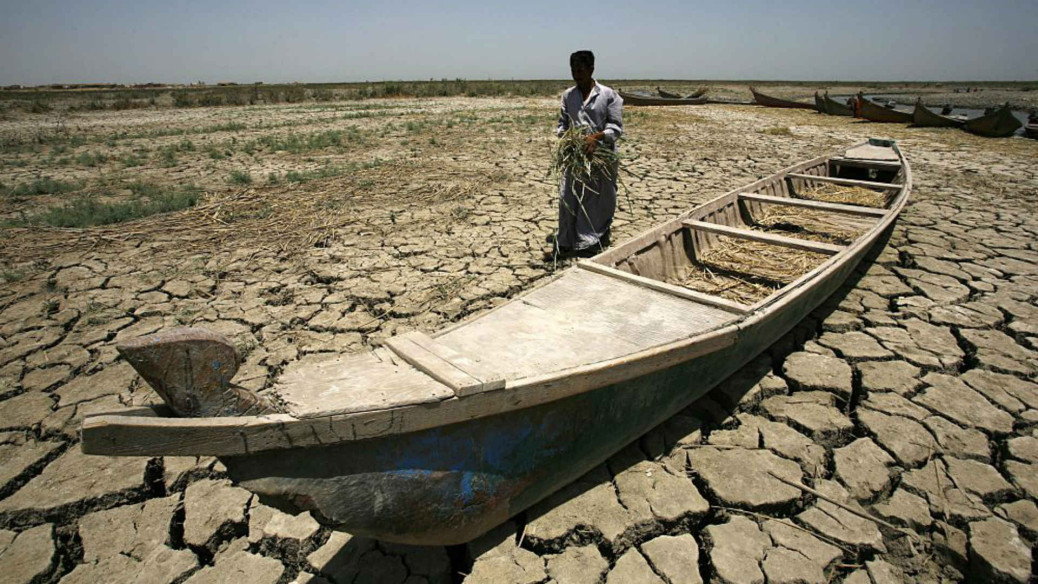
Iraq has obtained a pledge from Turkey to increase water discharges into the country to 420 cubic meters per second (m³/s) in an effort to alleviate the worsening drought that is severely straining Iraq’s water resources and impacting millions.
The agreement was announced on Tuesday after Iraqi Parliament Speaker Mahmoud al-Mashhadani led a delegation to Ankara, where Turkish President Recep Tayyip Erdogan approved the increase.
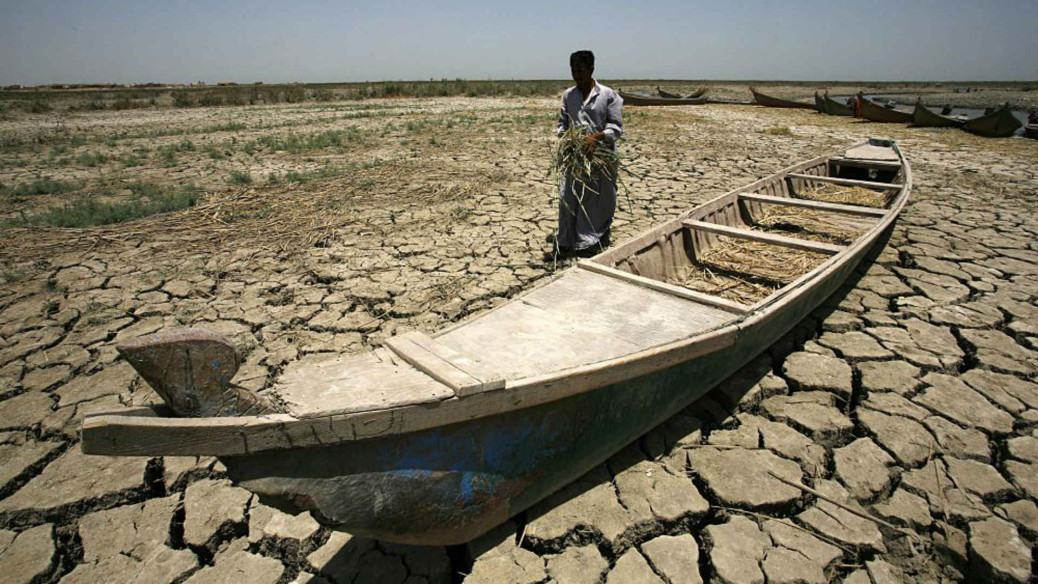
Iraq is currently enduring one of its most severe water crises in decades. Reduced rainfall, rising temperatures, and upstream dam projects by neighboring countries have sharply reduced flows in the Tigris and Euphrates rivers. The consequences are visible nationwide — marshlands drying up, water shortages in the south, and rising salinity levels in the Shatt al-Arab waterway near Basra.
While Iraqi officials welcomed Turkey’s decision, water experts caution that this increment is only a temporary measure. Dr. Abdul Mutalib Rafat, professor of water resources at Garmiyan University, stressed the need for Iraq to pursue international arbitration and legal complaints against Turkey and Iran to secure its long-term water rights.
“Turkey’s GAP project and Iran’s damming of Tigris tributaries have drastically reduced Iraq’s water supply. Without legal and diplomatic action, Iraq remains vulnerable,” Rafat said. He also blamed internal political divisions and poor water governance for Iraq’s failure to respond cohesively.
Furthermore, Rafat noted that Iraq wastes much of its water through inefficient usage and infrastructure shortcomings. “A large amount of water flows into the sea unused instead of being conserved or recycled,” he added.
Turkey’s Southeastern Anatolia Project (GAP), initiated in the 1970s, includes 22 dams and 19 hydroelectric plants designed to produce 27 billion kilowatt-hours annually and irrigate 1.7 million hectares of farmland, significantly affecting downstream water availability.
Groundwater depletion and pollution threats worsen the crisis
Iraq is also grappling with rapidly falling groundwater levels, with wells in Erbil dropping to 600 meters deep and in Sulaymaniyah to 200 meters. Rafat warned that unregulated drilling threatens Iraq’s future water security.
Moreover, pollution concerns are mounting, particularly in Sulaymaniyah’s Tanjiro River, which carries industrial and sewage waste into Darbandikhan Lake. “Urgent water treatment and recycling infrastructure are needed to prevent contamination from spreading to central and southern Iraq,” Rafat said.
Both Baghdad and the Kurdistan Regional Government are urged to construct strategic dams, upgrade irrigation, and enforce water reuse programs to safeguard scarce water supplies.
Current water reserves at historic lows
According to the Ministry of Water Resources, Iraq’s water reserves have reached record lows. Spokesperson Khaled Shamal reported that Iraq currently relies on limited water releases from the Mosul and Haditha dams, alongside modest contributions from Lake Tharthar, which provides only 41 m³/s.
These limited resources are prioritized for key irrigation projects such as the Dukan Dam in Kirkuk and Darbandikhan Dam feeding the Diyala River.
Syria’s ongoing drought further reduces the Euphrates’ flow into Iraq to approximately 300 m³/s, with possible declines if Syria’s Tabqa Dam levels drop over summer. Water flows from Turkey into the Tigris fluctuate between 140 and 200 m³/s but are expected to increase once the Ilisu hydroelectric station becomes fully operational.
Desalination and enforcement in Basra
Prime Minister Mohammed Shia al-Sudani announced new measures to address water scarcity in southern Iraq during a recent visit to Basra. Central to these efforts is a seawater desalination project aimed at supplying clean water to Basra, Maysan, and Dhi Qar.
“This crisis worsens every year due to climate change and reduced upstream flows,” al-Sudani said. He confirmed that the desalination project contract is near completion and that initial work has begun, with plans to expand facilities across other districts.
The prime minister also highlighted illegal fish farms, which decrease river flows and exacerbate water shortages.
Iraq among world’s most water-insecure countries
A recent Forbes report ranked Iraq as one of the most water-insecure nations globally, citing climate change, upstream dam projects, and domestic mismanagement as key drivers. Iraq’s strategic water reserves have fallen to 10 billion cubic meters, nearly half the estimated 18 billion needed for summer demand.
Former water ministry adviser Ahmed Majid acknowledged that while Turkey’s increased water releases provide short-term relief, Iraq must also engage Iran diplomatically to address diversions of Tigris tributaries.
“Groundwater extraction is being considered in many areas, but this is not sustainable,” Majid warned. “Iraq must act now through legal and diplomatic channels or face a future defined by severe water scarcity.”
News You Should See
Manchester City Prepare for Tactical Battle Against Napoli in Champions League
Arsenal Face Borussia Dortmund in High-Stakes Champions League Test
The Hunger Games: Sunrise on the Reaping Delivers $225 Million Global Box Office Debut
US Data Centers Consume as Much Electricity as Michigan, Harvard Study Reveals
AI Enables a 12,000-Pound John Deere Loader to Perform Two-Wheel Stunts
Kodak Launches SlideTag, a Digital Photo Frame with Built-In Bluetooth Tracking
Latest News
Manchester City host Napoli in a key Champions League clash, with Haaland, Foden and Cherki expected to lead the English side's attacking efforts.
Arsenal prepare to host Borussia Dortmund in a crucial Champions League clash, with injuries and tactical decisions potentially shaping the outcome.
The Hunger Games: Sunrise on the Reaping earns $225 million worldwide in its opening weekend, strengthening the franchise's box-office position.
Harvard research estimates that 403 US hyperscale data centers consume up to 99 terawatt-hours annually, raising concerns about AI's environmental impact.
Researchers train a 12,000-pound John Deere 332G loader using AI and reinforcement learning to balance on two wheels and perform controlled movements.
Kodak introduces SlideTag, a $34.99 digital photo accessory featuring a 1.54-inch E Ink screen, photo storage, and Bluetooth tracking support.
Samsung may skip next year's Galaxy Watch launch after disappointing sales expectations, potentially shifting to a two-year release cycle while prioritizing software improvements.
Barcelona come from two goals down to beat Villarreal 3-2 at Camp Nou, with Gerard Martín, Fermín López, and Pau Navarro's own goal securing victory.
Liverpool defeat Manchester United 4-0 at Anfield after Leny Yoro's early red card marks a difficult Premier League debut for Mauricio Pochettino.