Iran on the Defensive: How the 2023 Israel-Hamas Conflict Reshaped Tehran’s Regional Influence
Following Israel’s surprise 12-day war and a fragile ceasefire, Iran faces a strategic decline in the Middle East with weakened proxies and diminished power projection.

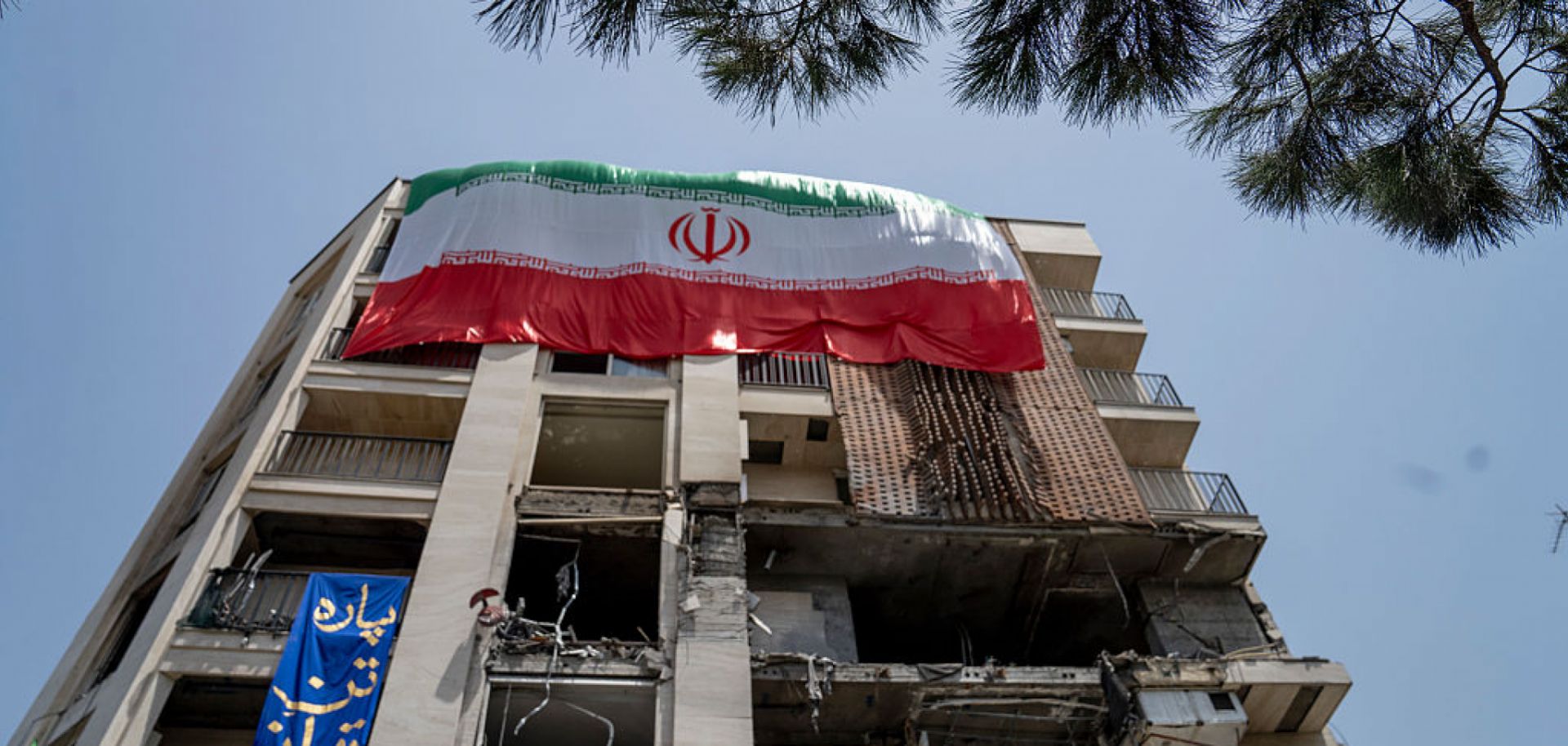
Iran on the Back Foot: The Collapse of the Axis of Resistance
For the first time in decades, Iran is facing a significant strategic reversal in the Middle East. The 12-day war launched by Israel in June 2025 caught Tehran off guard, unfolding just as nuclear negotiations between Iran and the United States were ongoing. The conflict delivered a major blow to Iran’s military capabilities, regional deterrence posture, and long-standing strategy of proxy warfare. As a fragile ceasefire takes hold, the geopolitical balance of power is shifting — away from Iran and toward a coalition led by Israel and the United States.
A Devastating Blow
Israel’s campaign against Iran was swift and devastating. Through a coordinated mix of surprise strikes, advanced intelligence, and cyberwarfare, Israeli forces managed to degrade Iranian air defenses, strike key military and nuclear sites, and eliminate senior military leaders. Iran's ballistic missile program was especially hard hit, with over 500 missiles launched during the conflict — most of which were intercepted by Israeli defenses. While a few struck targets in Israel, the damage inflicted on Iran far outweighed any tactical success Tehran achieved.
Iran did respond with daily missile and drone barrages, and it showed adaptability by shifting to more advanced systems in smaller waves to exploit gaps in Israel’s air defense. However, even these efforts could not mask Iran’s vulnerabilities — especially its inability to protect its core assets or mount a cohesive defense. This conflict exposed the structural weaknesses of the Islamic Republic’s military command and raised questions about its deterrent credibility.
Proxy Network in Disarray
The consequences extended beyond Iran’s borders. For decades, Tehran relied on a network of allied militias and non-state actors — Hezbollah, Hamas, the Houthis, and Iraqi Shiite groups — to expand its influence and deter Israeli or American attacks. That strategy is now unraveling.
Hamas initiated the October 7, 2023 attacks on Israel without Iran’s green light. Over a year of war left the group decimated.
Hezbollah joined the fight but paid a heavy price. Its military infrastructure was significantly weakened, and it was eventually forced into a ceasefire that allows Israeli operations across southern Lebanon — a humiliating strategic loss.
The Houthis managed to disrupt maritime traffic and fire on Israel, but they suffered major losses from U.S. and Israeli retaliatory strikes.
Iraqi militias remained mostly sidelined, constrained by internal politics and U.S. red lines.
These setbacks have eroded the effectiveness of Iran’s “Axis of Resistance” — a network that once gave Tehran reach across the Levant and Gulf. Its members now face growing pressure to focus on domestic survival rather than regional confrontation, with many distancing themselves from Tehran’s directives.
A Ceasefire — and Strategic Pause
Following U.S. airstrikes on Iran’s key nuclear facilities — Isfahan, Natanz, and Fordow — Tehran found itself outmatched and opted for a limited, symbolic response. It launched 14 missiles at a U.S. base in Qatar but gave advance warning to avoid casualties, signaling a desire to de-escalate. Shortly afterward, a ceasefire was announced by President Trump.
The ceasefire has paused direct hostilities, but Iran now faces a long and uncertain path to recovery. Its nuclear program, though not destroyed, was severely damaged. Its air defenses are compromised. Its leadership ranks have been thinned. And its intelligence and counterintelligence capabilities are in urgent need of reform after deep Israeli infiltration.
Iran’s Strategic Dilemma
Iran is entering a phase of reconstruction. Rebuilding missile stockpiles, restoring air defense infrastructure, and recalibrating its proxy network will take time and resources — both of which are in short supply. The regime is also confronting internal pressure: key military leaders were lost, the Supreme Leader’s health is deteriorating, and domestic dissatisfaction is growing.
This weakened position may lead Tehran in one of two directions:
Hardline Retrenchment: Double down on nationalism, accelerate nuclear enrichment, and rebuild military strength in pursuit of renewed deterrence — potentially including pursuit of a nuclear weapon.
Strategic Moderation: Maintain negotiations with the U.S. and EU while quietly rebuilding capabilities to avoid further escalation.
At present, the former path seems more likely. The war has intensified nationalist sentiment in Iran, and many in the regime view a nuclear deterrent as the only way to prevent future attacks.
The Breakdown of the Axis of Resistance
The ideological and strategic glue holding Iran’s proxy alliance together has weakened dramatically.
Hezbollah is now under international and domestic pressure to disarm. Its leadership is increasingly focused on Lebanese politics rather than Iranian directives, and divisions within the group could emerge if hardliners resist compromise.
Iraqi militias are fragmenting under budgetary stress and shifting political winds in Baghdad. Without steady Iranian funding, many may either integrate further into state structures or resort to illicit activities.
The Houthis, though resilient, now face reduced weapons flows and may face military pressure from a coalition of Gulf states and Western powers. Without Iranian backing, their long-term military sustainability is uncertain.
In short, the “unity of the fronts” strategy — simultaneous proxy pressure on Israel — is effectively dead. Iran’s regional allies will now act more independently, prioritize survival, and likely avoid escalatory confrontation with Israel or the United States.
What Comes Next
The strategic fallout from this war may reverberate for years. Iran’s regional influence has contracted. Israel, by contrast, has emerged emboldened and likely to adopt an increasingly preemptive security posture — particularly against Hezbollah. Tehran’s ability to project power is impaired, and its proxies are entering survival mode.
While Iran is not defeated, it is diminished. Whether it can recover — and what form that recovery takes — will help shape the next chapter in Middle Eastern geopolitics.
News You Should See
Vancouver Launches 12th Annual Korey’s Joy Drive to Support Local Families
Agassi Sports Entertainment Joins Sinclair and Tennis Channel to Expand Padel and Pickleball
Vizrt Completes Chyron Acquisition to Expand Global Broadcast Technology Capabilities
Anyma and Jean-Michel Jarre Announce Major Pyramids of Giza Concerts for 2027
Arsenal Women Strike First Against Barcelona in Champions League Showdown
New Egypt Group Backs Latin Social Organization’s Thanksgiving Food Drive in Bayonne
Latest News
Vancouver, Washington launches its 12th Korey’s Joy Drive, collecting toys, holiday gifts and winter supplies for families through local nonprofits.
Agassi Sports Entertainment partners with Sinclair and Tennis Channel to promote padel and pickleball through nationwide television and digital platforms.
Vizrt completes its acquisition of Chyron, combining broadcast graphics technologies to expand cloud production and real-time augmented reality solutions.
Anyma and Jean-Michel Jarre announce two electronic music performances at Egypt's Great Pyramids in spring 2027, with presale tickets starting November 18.
Arsenal Women take a 1-0 lead over Barcelona after Frida Maanum's 21st-minute goal in their 2026-27 UEFA Women's Champions League encounter.
New Egypt Group supports Latin Social Organization’s Thanksgiving Food Drive in Bayonne by contributing food supplies to help local families prepare for the holiday.
Shorter winter days can affect appetite, sleep and energy. A dietitian explains the biological reasons behind seasonal cravings and the importance of meal planning.
Medical leaders debate whether AI will improve diagnosis and healthcare delivery or weaken doctors' clinical skills through growing reliance on technology.
A study published in PNAS Nexus suggests that differences in immune cells may help explain variations in obesity and fat distribution between males and females.