Illegal Trade Booms in South Africa’s ‘Super-Strange Looking’ Plants
South Africa’s unique and exotic plant species, celebrated for their unusual appearances and ecological importance,

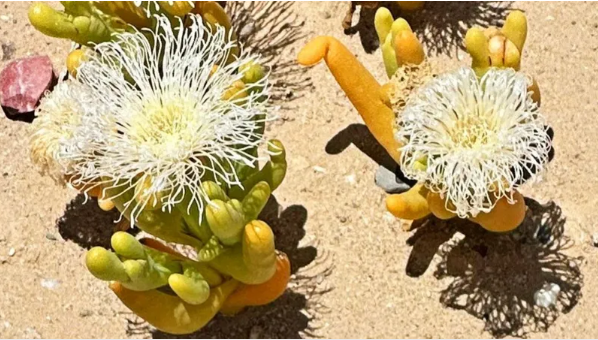
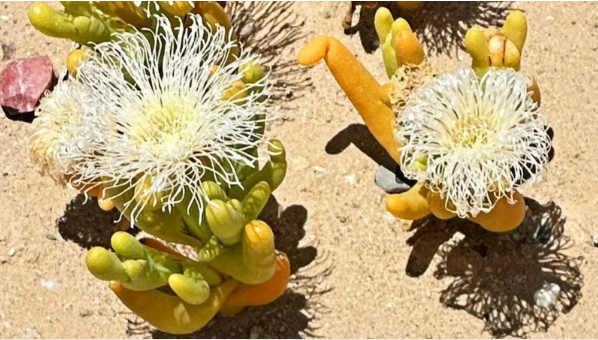
South Africa’s unique and exotic plant species, celebrated for their unusual appearances and ecological importance, are increasingly becoming targets of a booming illegal trade. This alarming trend threatens the survival of these rare plants and highlights the urgent need for stronger conservation efforts and enforcement measures.
The Plants in Peril
Among the most targeted are succulent plants and rare cycads, many of which are endemic to South Africa and prized for their distinctive shapes and features. Known for their bizarre, otherworldly appearances, these plants are highly sought after by collectors and enthusiasts worldwide.
Lithops (Living Stones): These small, stone-like succulents blend seamlessly with their surroundings, making them difficult to spot in the wild but highly desirable in the black market.
Cycads: Often referred to as "living fossils," cycads are ancient plants that have existed since the age of dinosaurs. Many species are critically endangered.
Aloes and Euphorbias: Renowned for their sculptural beauty, these plants are often uprooted and smuggled out of the country.
“These plants are incredibly unique, but their rarity makes them a prime target for illegal collectors,” said [name], a botanist specializing in South African flora.
The Rise of Illegal Trade
Fueled by global demand, particularly from wealthy collectors in Europe, Asia, and North America, the illegal trade in these plants has surged in recent years. Poachers and smuggling networks are exploiting the country’s vast landscapes and limited enforcement capacity to harvest and transport plants.
Online Marketplaces: Social media platforms and online forums have made it easier for traders to connect with buyers, often operating under the radar of authorities.
Sophisticated Smuggling: Traffickers use creative methods to evade detection, including disguising plants as legal exports or concealing them in shipments of other goods.
High Profits: Some of these plants fetch thousands of dollars on the black market, incentivizing poachers despite the risks.
Impact on Ecosystems
The removal of these plants has devastating consequences for South Africa’s delicate ecosystems. Many of these species play critical roles in their habitats, supporting pollinators and preventing soil erosion. Their loss could lead to cascading ecological effects.
“Every plant poached from the wild is a blow to biodiversity,” said [name], a conservationist. “These plants take years, sometimes decades, to grow, and their removal is unsustainable.”
Efforts to Combat the Trade
South African authorities and conservation groups are stepping up efforts to tackle the illegal trade:
Increased Surveillance: Rangers and volunteers are patrolling protected areas to deter poachers.
Stricter Penalties: Lawmakers are pushing for harsher penalties for those caught trafficking rare plants.
Public Awareness Campaigns: Educating local communities and international buyers about the impact of illegal plant trade is a key focus.
Collaboration with Global Partners: South Africa is working with international organizations like CITES (Convention on International Trade in Endangered Species) to crack down on smuggling networks.
Challenges Ahead
Despite these efforts, the fight against illegal plant trade remains an uphill battle:
Limited Resources: Conservation authorities often lack the funding and manpower to effectively monitor vast wilderness areas.
Global Demand: As long as international demand persists, poachers will find ways to exploit South Africa’s natural treasures.
Legal Loopholes: Weak enforcement of international trade regulations allows traffickers to operate with relative impunity.
How to Help
Conservationists urge individuals to avoid purchasing plants of unknown origin and to support legitimate nurseries and conservation programs. They also encourage people to report suspicious activity to authorities.
“Consumers have a crucial role to play,” said [name]. “If there’s no demand, the illegal trade will wither.”
Conclusion
South Africa’s “super-strange looking” plants are a vital part of the country’s natural heritage, but they face an existential threat from illegal trade. Protecting these unique species requires a coordinated effort from governments, conservationists, and the public. As the fight continues, preserving these extraordinary plants will be critical for maintaining the rich biodiversity that makes South Africa so special.
News You Should See
The Hunger Games: Sunrise on the Reaping Delivers $225 Million Global Box Office Debut
US Data Centers Consume as Much Electricity as Michigan, Harvard Study Reveals
AI Enables a 12,000-Pound John Deere Loader to Perform Two-Wheel Stunts
Kodak Launches SlideTag, a Digital Photo Frame with Built-In Bluetooth Tracking
Samsung May Shift Galaxy Watch to a Two-Year Launch Cycle Amid Sales Challenges
Barcelona Stage Stunning Comeback to Defeat Villarreal 3-2 and Extend LaLiga Lead
Latest News
The Hunger Games: Sunrise on the Reaping earns $225 million worldwide in its opening weekend, strengthening the franchise's box-office position.
Harvard research estimates that 403 US hyperscale data centers consume up to 99 terawatt-hours annually, raising concerns about AI's environmental impact.
Researchers train a 12,000-pound John Deere 332G loader using AI and reinforcement learning to balance on two wheels and perform controlled movements.
Kodak introduces SlideTag, a $34.99 digital photo accessory featuring a 1.54-inch E Ink screen, photo storage, and Bluetooth tracking support.
Samsung may skip next year's Galaxy Watch launch after disappointing sales expectations, potentially shifting to a two-year release cycle while prioritizing software improvements.
Barcelona come from two goals down to beat Villarreal 3-2 at Camp Nou, with Gerard Martín, Fermín López, and Pau Navarro's own goal securing victory.
Liverpool defeat Manchester United 4-0 at Anfield after Leny Yoro's early red card marks a difficult Premier League debut for Mauricio Pochettino.
Five Aberdeen Township police officers receive New Jersey PBA Valor Awards for their bravery during an alleged kerosene attack.
NYC hate crimes prevention director Vijah Ramjattan meets Muslim community members to discuss public safety, trust, inclusion, and hate crime prevention.