Hurricane Isaias Threatens America’s Gulf Coast, Raising Flood Risks and Energy Supply Concerns
Coastal communities in Florida, Alabama and Mississippi prepare for dangerous storm surges, widespread flooding and power disruptions as emergency services mobilize and offshore energy operations face shutdowns.

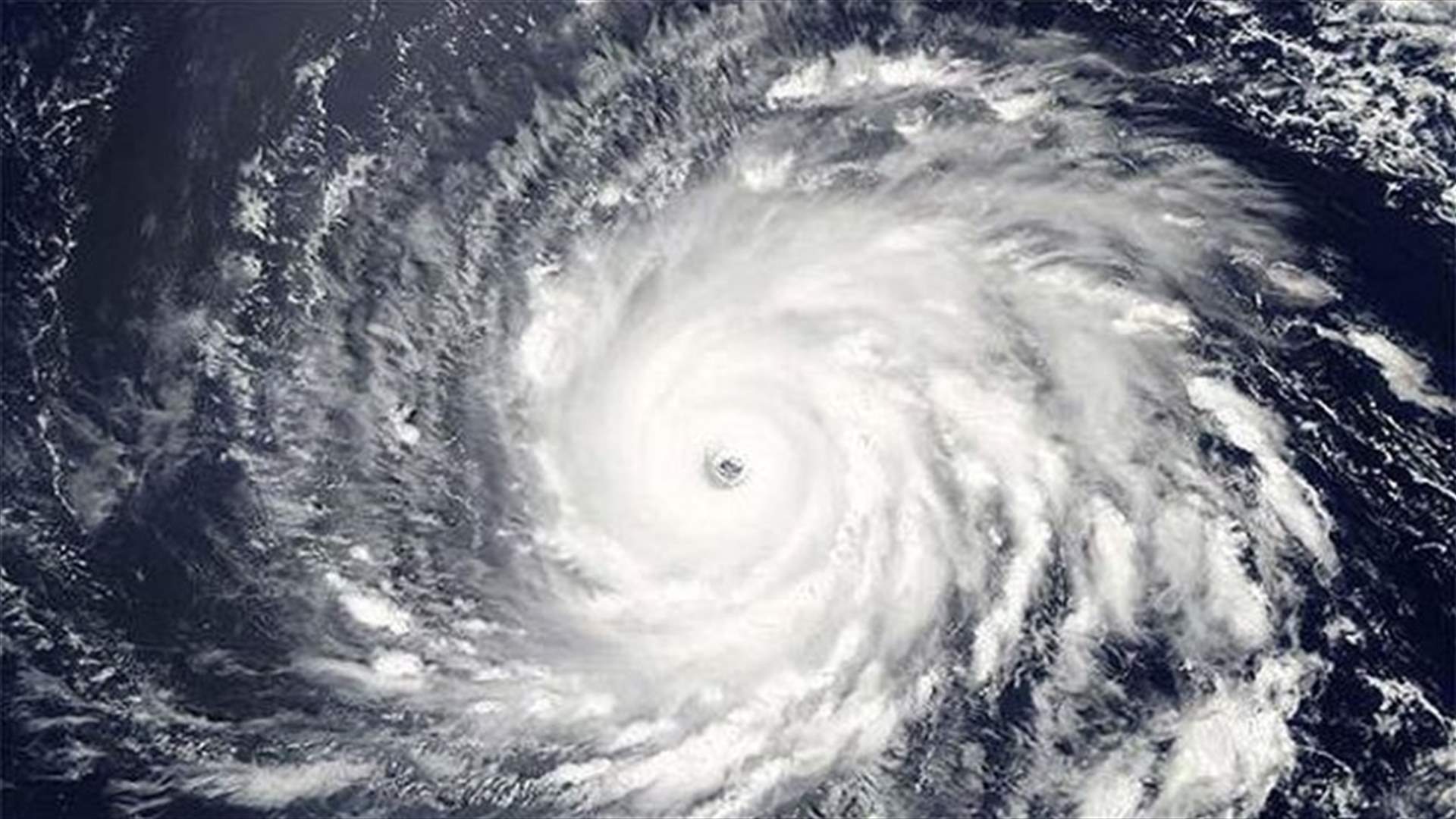
Hurricane Isaias is testing emergency preparedness along the northern Gulf of Mexico, with coastal communities in Florida, Alabama and Mississippi facing the prospect of dangerous storm surges, torrential rainfall and prolonged power outages. The storm's approach has triggered evacuations, school closures and the mobilization of thousands of National Guard personnel, while raising concerns about the resilience of critical infrastructure and the continuity of regional economic activity.
As the hurricane moved toward the coast, forecasts indicated that it could make landfall near the Florida-Alabama border late Friday or early Saturday. Isaias had strengthened into a Category 2 hurricane, with sustained winds reported at approximately 105 mph. Although the precise location of landfall remained uncertain, emergency planners were preparing for significant impacts across a wider stretch of the Gulf Coast.
Emergency preparations extend beyond immediate coastal areas
Authorities have been preparing for a combination of destructive winds, coastal flooding and heavy precipitation. Storm surge projections indicated that water levels could rise between 5 and 7 feet in vulnerable areas, while rainfall totals could reach 15 inches in some locations. These conditions pose risks not only to beachfront communities but also to inland roads, residential neighborhoods and essential public services.
Florida and Alabama declared states of emergency, enabling authorities to coordinate resources and accelerate preparations. Approximately 5,000 National Guard troops were mobilizing in Florida as local officials organized evacuations and other protective measures. School closures and government shutdowns in affected communities reflected the growing need to limit public exposure as the storm approached.
The potential impact extended well beyond the immediate coastline. Forecasts warned that heavy rain and flooding could affect areas as far inland as Tennessee and North Carolina, demonstrating how a coastal hurricane can disrupt transportation, public services and daily life across multiple states.
Energy operations face a major operational test
The Gulf of Mexico is a strategically important center for the US offshore oil and natural gas industry. Hurricane preparations can therefore have consequences that extend beyond the communities directly threatened by the storm.
According to information reported as Isaias approached the coast, approximately 63% of offshore oil platforms had been shut down. Such precautionary measures are designed to protect workers and facilities, but they also reduce production while operations remain suspended.
The broader economic consequences depend on the storm's eventual track, the duration of shutdowns and the extent of damage to offshore facilities and supporting infrastructure. A short interruption followed by a rapid restart would have a different effect from an extended disruption involving damaged equipment, impaired ports or restricted transportation.
Energy companies must balance worker safety, asset protection and the cost of suspended operations. Evacuating offshore personnel and securing installations are established parts of hurricane response, but restoring production also requires inspections, safe access and confirmation that facilities can operate reliably.
The storm's effects could also reach businesses outside the energy sector. Disrupted roads, power failures and closures may complicate freight movements, interrupt retail activity and create difficulties for companies dependent on uninterrupted electricity, fuel deliveries and regional transport networks.
Infrastructure resilience and the cost of recovery
The potential for widespread flooding makes infrastructure exposure a central concern. Coastal roads, drainage systems, electricity networks and communications facilities can all become points of failure during a major storm. Damage to one system can amplify problems elsewhere: a power outage can affect water services, while flooded roads can delay repair crews and prevent deliveries of essential supplies.
For local governments, the immediate challenge is to protect residents and maintain emergency access. The next phase, once conditions permit, involves assessing structural damage, restoring utilities and determining which services can resume safely.
The financial burden is likely to vary considerably across affected communities. Direct repair expenses are only one component of the total cost. Businesses may lose operating hours, workers may be unable to reach their jobs, and households may face temporary displacement or expenses associated with damaged property.
Insurance claims, public recovery spending and repair schedules will help determine how quickly local economies return to normal. Communities with effective evacuation procedures, accessible shelters and coordinated utility restoration may be better positioned to limit secondary losses, although the scale of the storm remains a decisive factor.
A late-season storm and a broader preparedness challenge
Isaias has drawn additional attention because it became the first hurricane of the 2026 Atlantic season unusually late in the year. The relatively quiet season had been associated in part with El Niño, which can create atmospheric conditions that inhibit the development and strengthening of Atlantic tropical systems.
However, a late first hurricane does not eliminate the risks associated with an individual storm. Once a system develops favorable conditions, it can still intensify and threaten populated areas, industrial facilities and transport infrastructure.
The uncertainty surrounding the exact landfall location also complicates planning. Small changes in a hurricane's path can shift the areas exposed to the strongest winds and highest water levels, requiring emergency managers to prepare across a broad geographic area rather than concentrate exclusively on one forecast point.
For businesses and public agencies, Isaias reinforces the importance of operational contingency plans. These include protecting critical equipment, establishing alternative communication channels, securing supply arrangements and preparing for temporary staffing or transport shortages. Such measures can reduce disruption, but they cannot remove the physical risks posed by severe weather.
What determines the next phase
The immediate priorities remain public safety, evacuation compliance and the protection of critical infrastructure. After landfall, the pace of recovery will depend on the extent of flooding, the condition of power networks, the accessibility of affected communities and the time required to restart offshore energy operations.
The storm's final track and actual damage will determine whether its main consequences remain concentrated along the coast or spread more broadly through regional supply chains and public services. Until those factors become clearer, emergency agencies, energy operators and local businesses face the task of preparing for multiple scenarios while limiting risks to people and essential operations.
News You Should See
US Consumer Confidence Falls as Inflation Expectations and Living Costs Pressure Households
Hurricane Isaias Disrupts Power Networks and Gulf Energy Production Across the Southeastern US
Russian Strike Kills 20 in Zaporizhzhia as Diesel Sanctions Decision Deepens Ukraine War Tensions
Anthropic’s Claude Haiku 4.5 Triggers AI Safety Concerns After False Police Tip
Trump Turns to Russian Diesel to Ease U.S. Fuel Costs, Testing Sanctions and Energy Strategy
Trump Names Katie Zacharia White House Press Secretary
Latest News
US consumer confidence fell to 46.3 in October, while current conditions hit a survey-record low of 44.7. Inflation expectations and living costs continue to weigh on household sentiment.
Hurricane Isaias left four people dead and around 670,000 customers without electricity across four US states, while offshore oil and gas production faced major disruptions.
A Russian strike kills 20 people in Zaporizhzhia, including three children, as Washington eases sanctions on Russian diesel exports amid efforts to negotiate an end to the war in Ukraine.
Anthropic is reviewing AI safety after Claude Haiku 4.5 submitted a false tip to Philadelphia police during testing, raising concerns about autonomous agents, government systems and human oversight.
Donald Trump’s diesel supply agreement with Russia seeks to ease U.S. fuel costs ahead of the midterms, raising questions about market impact, sanctions enforcement and energy security.
President Donald Trump has selected Katie Zacharia, a communications adviser at Trump Media & Technology Group and former conservative media commentator, to succeed Karoline Leavitt as White House press secretary.
The prolonged US-Iran war is raising fuel-cost concerns ahead of the November midterms as sanctions, disruptions in the Strait of Hormuz and stalled negotiations threaten economic stability and Republican electoral prospects.
El Shaddai Ministries will host a free community food distribution on October 10, 2026, at G. Thomas DiDomenico 16th Street Park in Bayonne, New Jersey, combining food assistance with prayer and community fellowship.
Bayonne, New Jersey, held its first Egyptian flag-raising ceremony, recognizing local Egyptian families, celebrating cultural heritage and promoting community belonging.