Hudson River Park: The Strategic Transformation of Manhattan’s Waterfront into a Global Urban Landmark
How Design, Sustainability, Public Engagement, and Waterfront Revitalization Shaped One of New York City’s Most Influential Public Spaces

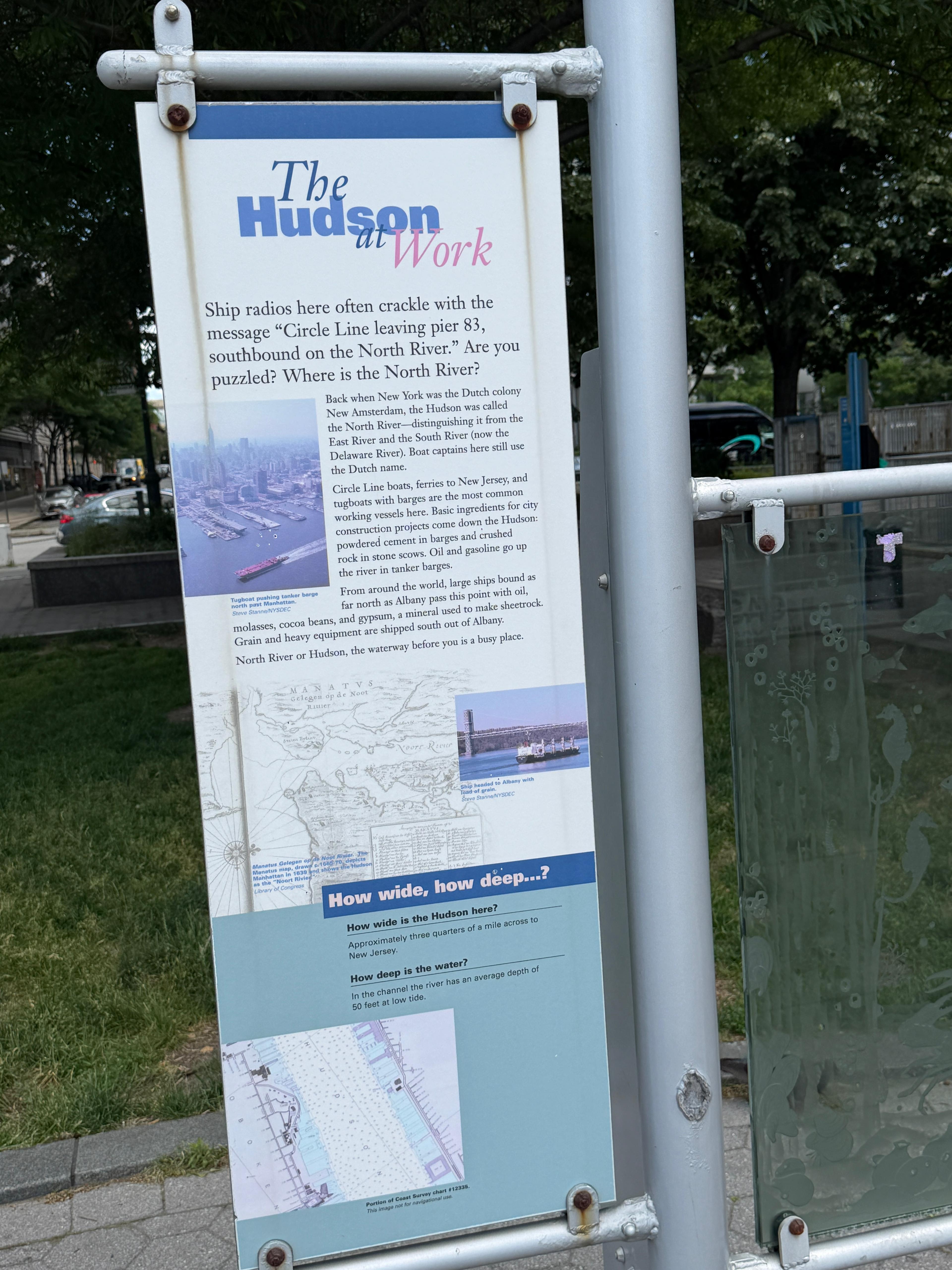
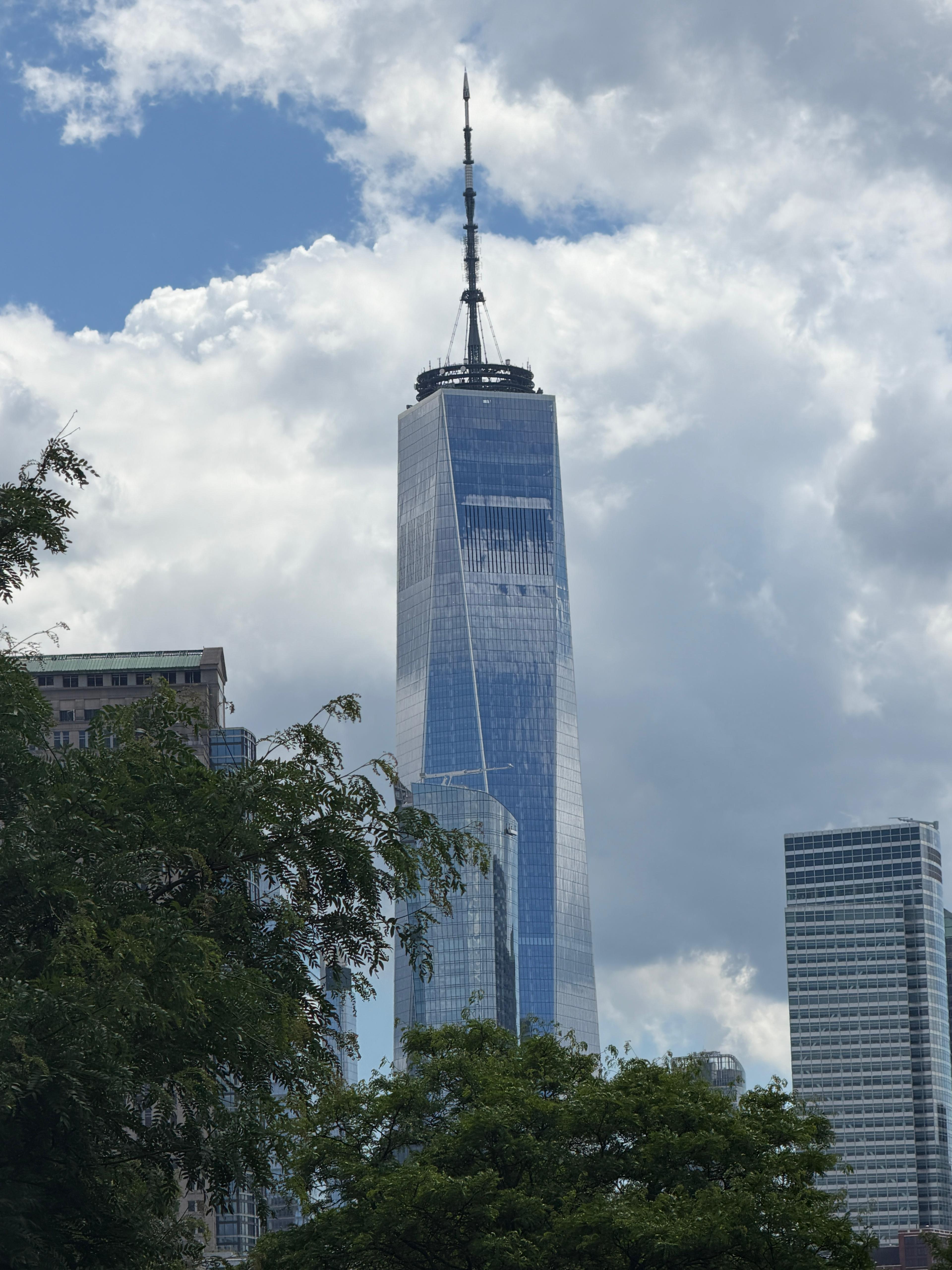
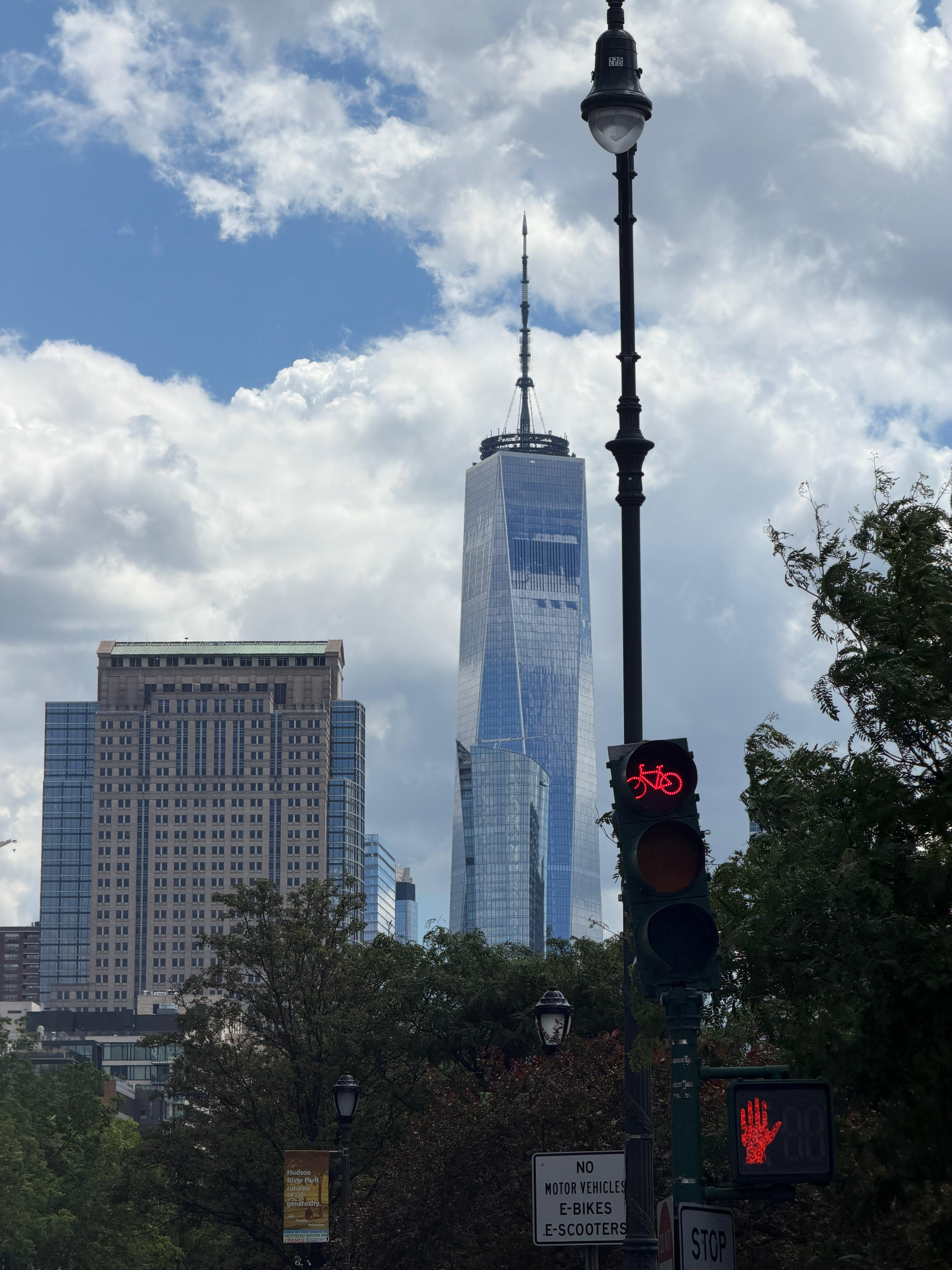
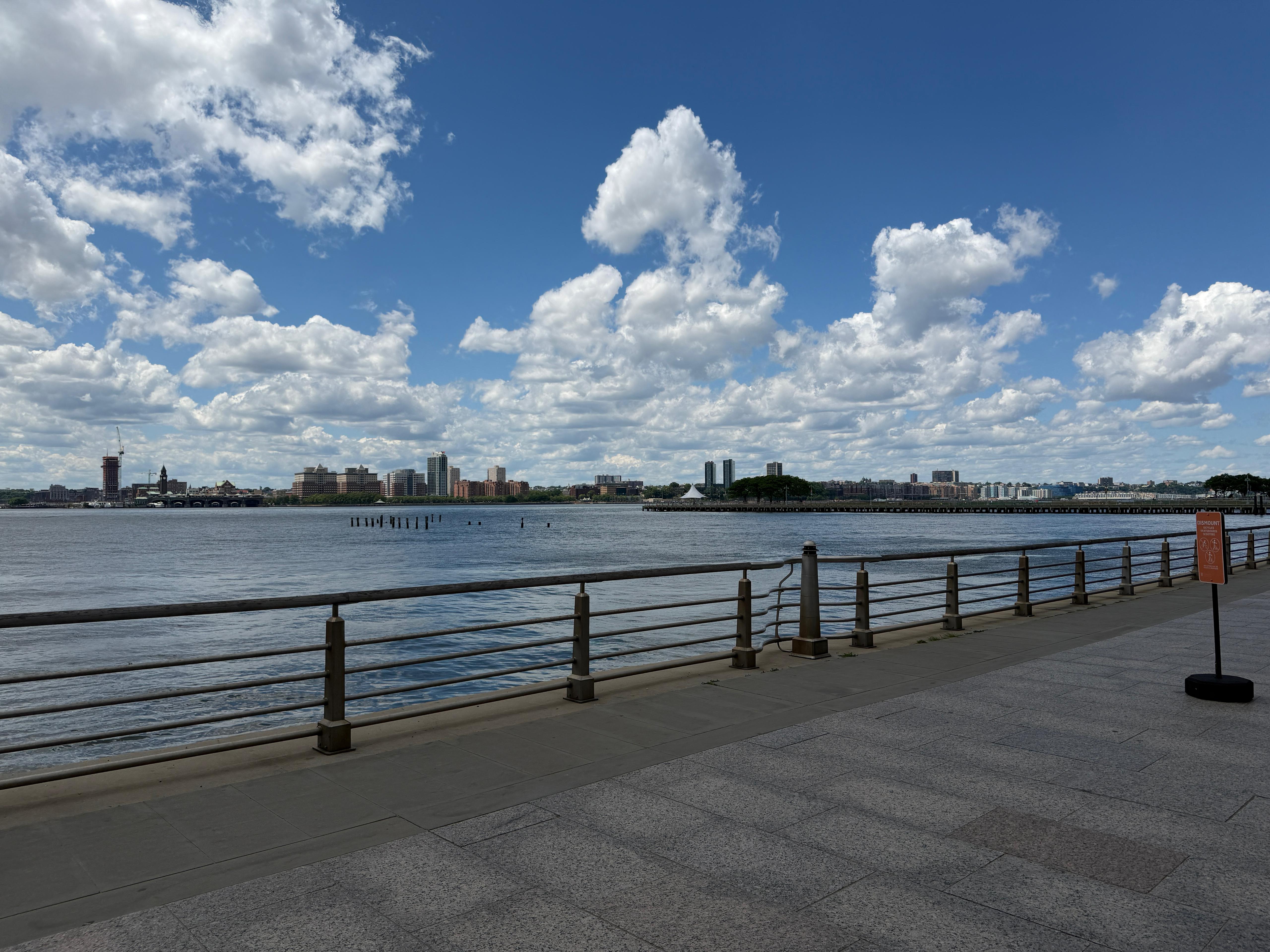
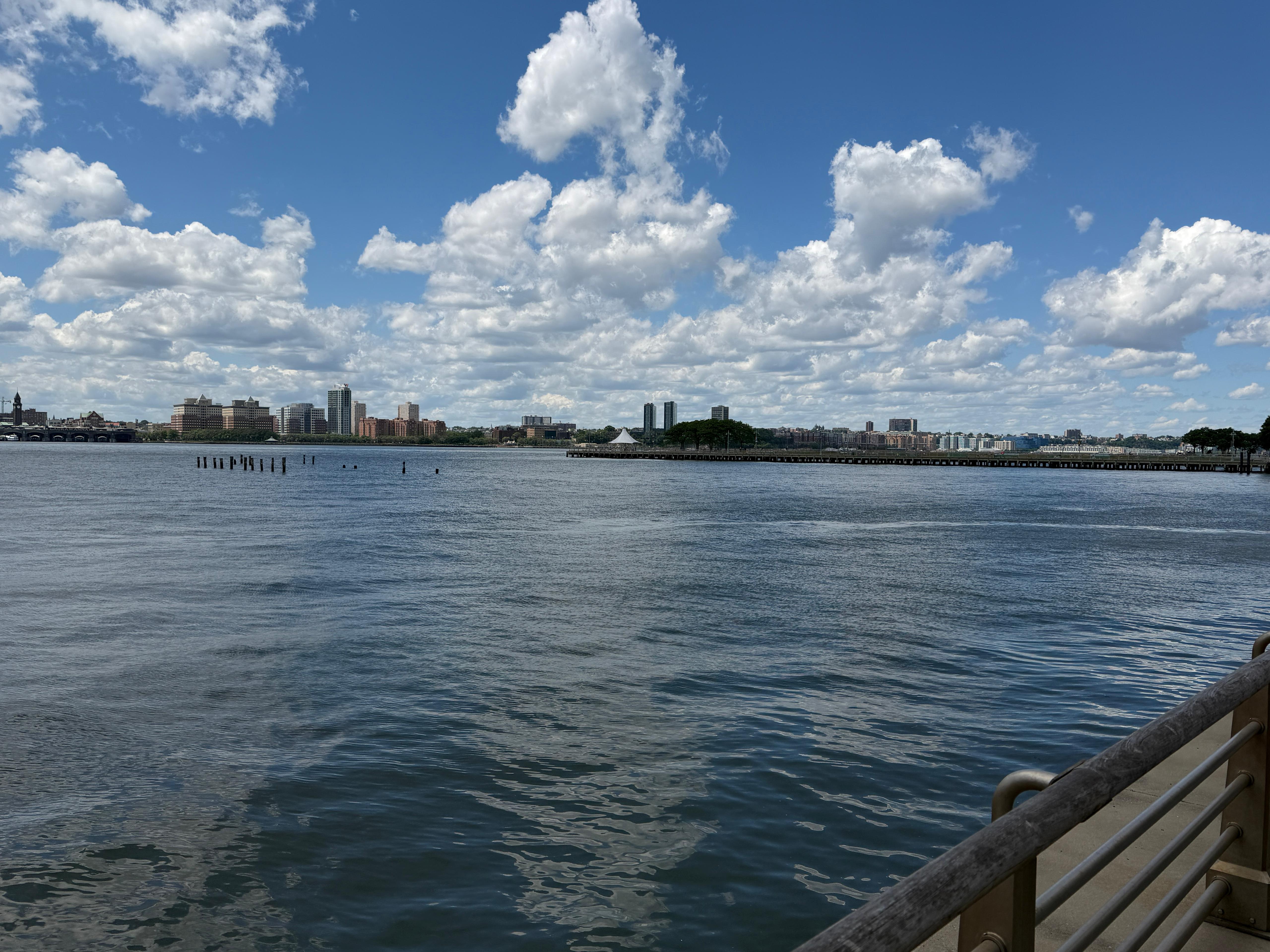
Hudson River Park represents one of the most successful examples of modern waterfront redevelopment in the United States, transforming Manhattan’s western shoreline into a multifunctional public destination that combines recreation, environmental sustainability, tourism, and urban identity. Stretching for several miles along the Hudson River, the park demonstrates how strategic urban planning can convert former industrial infrastructure into a vibrant civic asset that generates social, environmental, and economic value.
Located along Manhattan’s west side, the park occupies a historically significant corridor that once served as one of New York City's primary maritime and commercial gateways. For decades, shipping terminals, warehouses, and industrial facilities dominated the waterfront. As economic patterns evolved and industrial activity declined, city planners and policymakers recognized an opportunity to reimagine the area as a public space capable of reconnecting residents with the river while supporting broader urban development goals.
The design strategy behind Hudson River Park emphasizes accessibility, connectivity, and experience-driven public engagement. Rather than functioning solely as a green space, the park operates as a continuous urban corridor linking multiple neighborhoods through pedestrian promenades, bicycle routes, recreational facilities, sports fields, gathering areas, educational installations, and scenic viewpoints. This integrated approach encourages year-round activity and transforms the waterfront into an active component of everyday city life.
A defining element of the park’s identity is its relationship with New York City’s skyline. Visitors are provided with unobstructed views of Lower Manhattan, including the iconic One World Trade Center, creating a visual connection between the city’s modern architectural achievements and its natural waterfront environment. This combination of urban density and open riverfront space contributes significantly to the park’s appeal among residents, tourists, photographers, and outdoor enthusiasts.
From an environmental perspective, Hudson River Park serves as a model for sustainable urban redevelopment. Areas once characterized by industrial activity have been restored to support ecological functions, wildlife habitats, environmental education initiatives, and long-term conservation efforts. The project demonstrates how major metropolitan areas can integrate ecological restoration into urban development strategies without sacrificing accessibility or public utility.
The park also delivers substantial economic benefits. As one of New York City's premier waterfront attractions, it contributes to local tourism activity, increases foot traffic for surrounding businesses, supports hospitality and retail sectors, and enhances property values in adjacent neighborhoods. Public spaces of this scale often function as catalysts for investment by improving quality of life and reinforcing the attractiveness of nearby districts for both residents and commercial enterprises.
Facilities such as Pier 40 illustrate the park’s broader community-oriented mission. By providing sports infrastructure, educational programs, recreational opportunities, and gathering spaces, these facilities strengthen community engagement while expanding access to outdoor activities for diverse demographic groups. This approach reflects a growing international trend in urban planning that prioritizes inclusivity, wellness, and public participation.
The branding dimension of Hudson River Park is equally significant. The park has evolved beyond its role as a recreational destination to become an integral component of New York City's international image. Photographs of the waterfront, skyline views, cycling paths, and public spaces regularly appear in tourism campaigns, media coverage, and digital content, reinforcing the city's reputation as a destination capable of balancing world-class urban development with accessible natural environments.
The visual experience of the park further enhances its identity. Expansive river views, changing weather patterns, dramatic cloud formations, landscaped pathways, and carefully designed public spaces create a dynamic environment that attracts visitors throughout the year. These elements strengthen emotional connections between users and the space, contributing to long-term public appreciation and continued visitation.
As cities worldwide seek solutions for sustainable growth and urban resilience, Hudson River Park stands as a compelling case study in how strategic planning, environmental restoration, community investment, and place branding can work together to transform underutilized infrastructure into a globally recognized public asset. Its continued success highlights the growing importance of high-quality public spaces in shaping the future of modern cities.
News You Should See
P&G Raises Fiscal 2027 Cost Warning as Oil and Freight Expenses Threaten Profits
Chemical Tank Leak in Toledo Triggers Evacuations and Industrial Disruptions
Judge Sets December 11 Deadline for Trump Deposition in BBC Defamation Case
Iowa Senate Race Tests How Far Republicans Can Separate Themselves From Trump
California State Workers Strike Over Pay, Healthcare and Return-to-Office Rules
Streaming’s October Showdown: How Disney, Netflix and Major Entertainment Brands Compete for Audiences
Latest News
Procter & Gamble expects commodity, energy and transportation costs to reduce fiscal 2027 profit by $1.4 billion. Quarterly sales rose 4% to $23.28 billion, beating analyst expectations.
A ruptured chemical tank in Toledo, Ohio, prompted evacuations, school closures and an industrial shutdown. Authorities have reduced the restricted zone as the release slows and cleanup preparations continue.
A federal judge has ordered Donald Trump to give a deposition by December 11, 2026, in his $10 billion lawsuit against the BBC, with possible sanctions for noncompliance as the discovery deadline approaches.
Iowa’s 2026 Senate race pits Republican Ashley Hinson, balancing Trump support with economic concerns, against Democrat Josh Turek, who emphasizes bipartisanship amid rising campaign spending.
Thousands of California state workers struck on October 21 over a proposed three-year pay increase, healthcare costs and a four-day office attendance requirement as contract negotiations continued.
October 2026 brings major entertainment releases across Disney+, Netflix, HBO Max, Hulu, Prime Video and Peacock. Explore how familiar franchises, exclusive programming, new music and video games shape competition for streaming audiences.
Saudia advises travelers to book flights through Al Qassim Airport for Riyadh connections, offering free hourly shuttle buses in both directions until further notice.
An AP-NORC poll shows Democratic confidence in accurate vote counting falling to 55%, while Republican confidence rises to 38%, highlighting election integrity concerns ahead of the 2026 US midterms.
Donald Trump campaigns in North Carolina ahead of the November 2026 midterms as low approval ratings, rising fuel costs, Democratic early-voting gains and funding disparities challenge Republican efforts to retain control of Congress.