How to Choose the Right Kettlebell for Strength and Full-Body Training
A practical guide to kettlebell selection, training versatility and the factors that matter when building a home fitness routine

Kettlebells have become one of the most practical pieces of equipment for strength and conditioning, particularly for people who want to build a versatile home workout setup without filling their space with machines.
Unlike equipment designed for a single movement, a kettlebell can support a broad range of exercises, including swings, squats, presses, rows, carries and movements that combine strength with balance and cardiovascular conditioning. That versatility makes the choice of equipment an important part of building an effective routine.
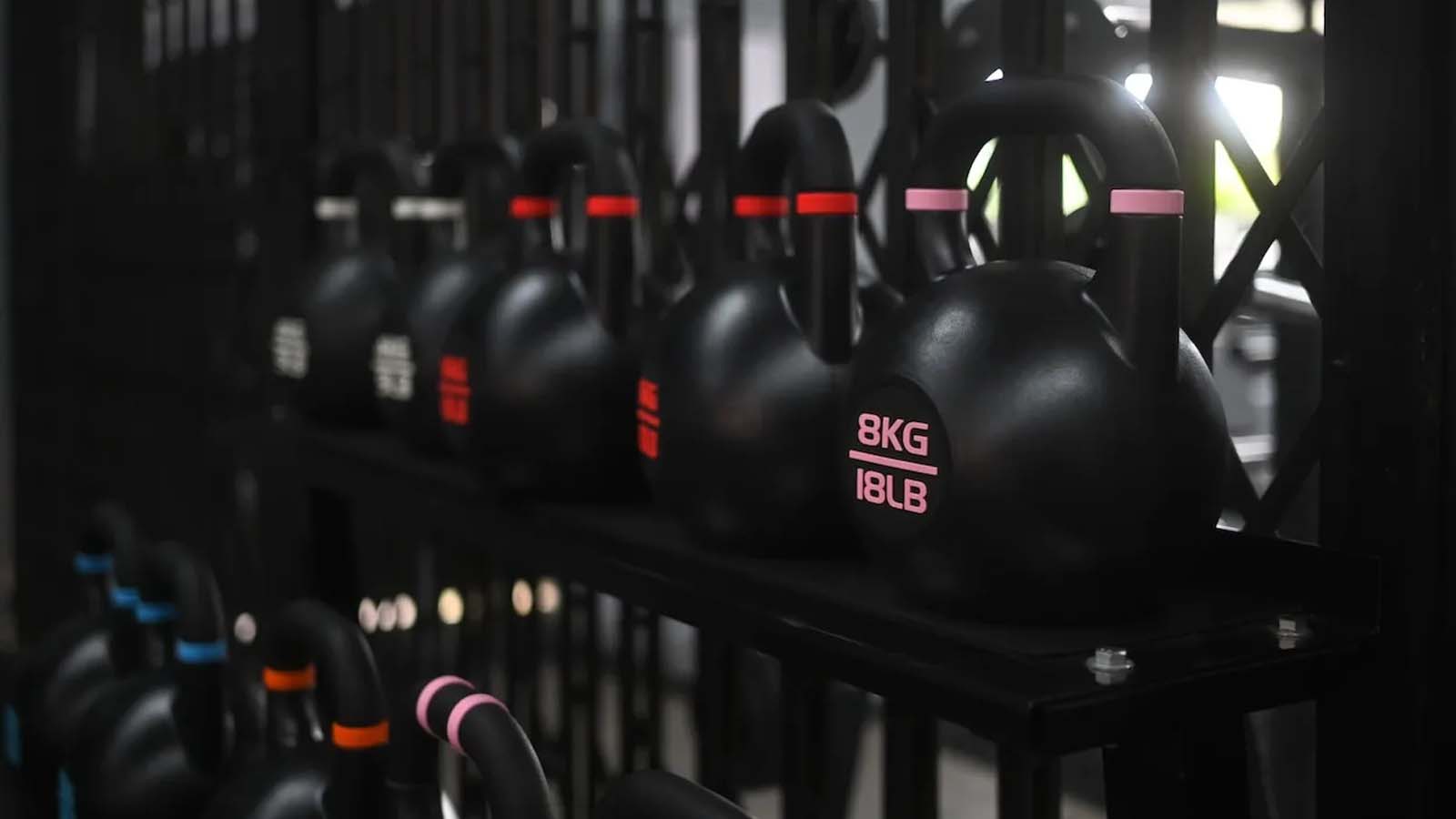
The market offers kettlebells in different weights, materials and designs, and the best option depends largely on the user's experience and training objectives. Beginners generally need a weight that allows them to learn movement patterns safely and maintain proper form, while experienced users may require several weights to accommodate different exercises and progression levels.
Design also matters. A comfortable handle can make a significant difference during exercises involving repeated swings or high repetitions. The handle should provide enough space for a secure grip without creating unnecessary pressure on the hands. The shape and finish of the weight can also influence how easily it can be controlled during dynamic movements.
Material and construction are equally important considerations. Traditional cast-iron kettlebells remain popular because of their durability and straightforward design, while other models use coated surfaces or different materials to improve comfort and protect floors. For home users, stability and the quality of the base can be particularly relevant because the equipment may frequently be placed on hard surfaces.
From a consumer perspective, the growth of home fitness has expanded demand for equipment that offers multiple functions in a compact format. Kettlebells fit that trend because a relatively small number of weights can support a wide variety of training programs.
However, buying the heaviest or most expensive model is not necessarily the best strategy. A useful selection should match the user's current strength, available training space and intended exercises. Someone focused on general fitness may need a different setup from an athlete training for strength, conditioning or performance.
Progression is another important factor. As technique improves and strength increases, having access to different kettlebell weights can make it easier to increase training intensity gradually. This approach can also reduce the temptation to use excessive weight before the user has developed adequate control.
The broader appeal of kettlebells lies in their ability to combine efficiency and flexibility. They can be incorporated into short workouts, structured strength sessions or conditioning circuits, making them suitable for different fitness objectives.
For consumers, the key lesson is that equipment quality should be evaluated alongside usability. A well-designed kettlebell that feels secure in the hand, remains stable on the floor and matches the user's training level can deliver more value than a heavier model that limits proper technique.
As home fitness continues to evolve, compact and multifunctional equipment is likely to remain attractive to consumers looking for practical ways to maintain strength and conditioning. Kettlebells are positioned strongly within that market because their usefulness extends far beyond a single exercise, giving users room to adapt their workouts as their fitness levels change.
News You Should See
2026 Nobel Medicine Prize Honors Scientists Behind Optogenetics Breakthrough
Oil Prices Edge Lower as Stronger Middle East Exports and G7 Reserves Ease Supply Concerns
Trump Offers U.S. Assistance to Russia After Death at Siberian Plague Research Institute
Trump Takes Economic Message to Nebraska as GOP Faces Rising Cost-of-Living Pressure
U.S. Appeals Court Weighs Trump Administration’s $2.6 Billion Harvard Funding Fight
U.S. Midterm Elections Begin With Resilient Jobs Market and Persistent Cost Pressures
Latest News
The 2026 Nobel Prize in Physiology or Medicine honors Karl Deisseroth, Peter Hegemann and Georg Nagel for pioneering research behind optogenetics and its impact on neuroscience.
Oil prices edged lower as stronger Middle Eastern exports and a planned G7 release of 100 million barrels eased immediate supply concerns, while Gulf security risks and the Strait of Hormuz kept markets alert.
President Donald Trump said the United States would help Russia if needed after a laboratory worker died at a Siberian plague research institute, as Russian authorities imposed precautionary quarantine measures.
Trump’s Nebraska campaign stop highlights rising fuel and grocery costs, beef prices and growing economic pressure on Republicans ahead of the November midterm elections.
A U.S. appeals court is reviewing the Trump administration’s effort to cut Harvard’s federal research funding, with more than $2.6 billion at stake.
The U.S. enters the 2026 midterm elections with unemployment at 4.2%, while higher living and energy costs create economic pressure for households and businesses.
US services growth eased in September as input prices climbed to their highest level since July 2022, with fuel costs, supply-chain disruptions and strong demand increasing pressure on businesses.
Rising Treasury yields are increasing U.S. borrowing costs as Washington manages record debt, persistent inflation and strong economic demand, narrowing its policy options.
A EGP 16 million corporate partnership will establish and equip a bone marrow transplant unit at Cairo’s Coptic Hospital, supporting access to specialized treatment for patients.