How Rhoda Magbitang Turned Cultural Identity into a Winning Culinary Brand on Top Chef: Carolinas
Season 23 concluded with a victory shaped by storytelling, resilience, and a distinctive culinary identity that elevated Filipino flavors onto a global stage.

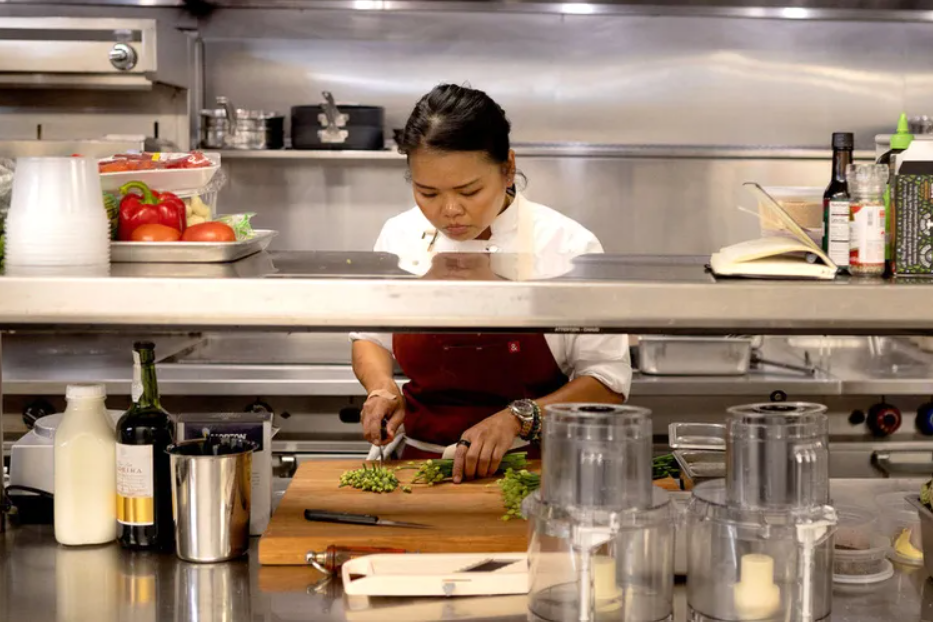

The finale of Top Chef: Carolinas delivered more than a competitive television moment; it offered a case study in how culinary professionals can transform personal heritage into a powerful and commercially relevant brand identity. Season 23 winner Rhoda Magbitang emerged victorious after a journey defined by consistency, resilience, and a carefully articulated culinary narrative that connected technical excellence with cultural authenticity.
Born in the Philippines and later establishing her career in the United States, Magbitang entered the competition with an unconventional profile compared with many previous champions. Rather than relying on highly theatrical presentations or trend-driven experimentation, she built her competitive strategy around dishes that reflected personal memories, family influences, and Filipino culinary traditions. This approach allowed her to differentiate herself within a field of highly accomplished chefs while creating a recognizable signature style that judges and audiences could immediately associate with her identity.
From a brand-development perspective, Magbitang's success demonstrates the growing market value of authenticity in contemporary food culture. Consumers increasingly seek experiences connected to heritage, storytelling, and cultural representation. Throughout the season, her cooking consistently communicated a clear message about who she is, where she comes from, and how those experiences shape her culinary philosophy. That clarity became one of her strongest competitive assets.
Her campaign through the season was far from straightforward. She made Top Chef history by winning the first two elimination challenges of the competition, immediately establishing herself as a leading contender. Those early victories highlighted her ability to execute under pressure while maintaining a disciplined approach to flavor development and presentation. However, the season later presented significant obstacles when a disappointing challenge performance led to her elimination and subsequent placement in Last Chance Kitchen.
Rather than allowing that setback to define her journey, Magbitang used the experience as a platform for reinvention and recovery. Her successful return through multiple consecutive Last Chance Kitchen victories illustrated a key characteristic shared by many successful entrepreneurs and creative leaders: the ability to adapt without abandoning core identity. While refining execution and strategy, she maintained the cultural foundation that distinguished her work from competitors.
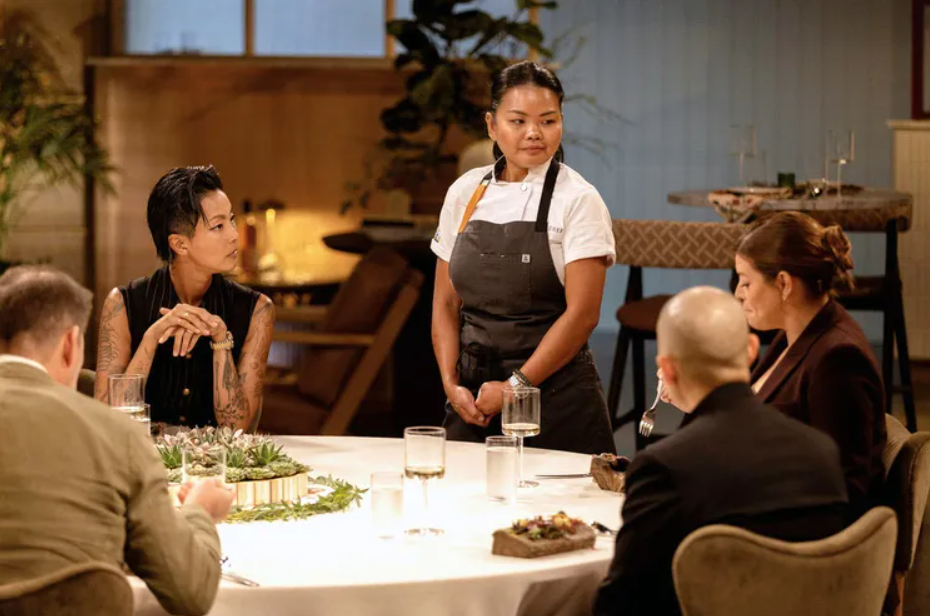
The final challenge required contestants to create a progressive four-course meal representing defining influences in their lives. For Magbitang, this format aligned perfectly with her strengths. Instead of designing a menu solely around technical complexity, she structured the experience as a narrative journey through personal history, family connections, and Filipino culinary traditions. Each course functioned not only as a dish but also as a storytelling device that reinforced her overall brand identity.
This approach reflects a broader shift occurring across the hospitality industry. Restaurants, chefs, and food entrepreneurs increasingly compete not only through product quality but also through narrative value. Diners are no longer purchasing meals alone; they are investing in experiences, cultural perspectives, and emotional connections. Magbitang's finale menu demonstrated a sophisticated understanding of this reality by integrating technical precision with meaningful storytelling.
Her victory also carries economic significance. Winning Top Chef provides access to major media exposure, industry partnerships, culinary events, and business opportunities that can substantially expand a chef's professional platform. The title effectively functions as a global endorsement, increasing visibility among consumers, investors, hospitality operators, and culinary institutions. For Magbitang, whose career already included leadership roles in respected restaurants, the win strengthens her position within an increasingly competitive international culinary marketplace.
Equally important is the broader representation achieved through her success. By placing Filipino cuisine at the center of her culinary narrative rather than treating it as a secondary influence, she contributed to the growing global recognition of Filipino food traditions. As international audiences continue exploring diverse culinary cultures, chefs who successfully translate heritage into contemporary dining experiences are becoming influential ambassadors for their communities.
Ultimately, Rhoda Magbitang's triumph in Top Chef: Carolinas was not simply the result of strong cooking. It reflected a carefully expressed vision that combined cultural identity, strategic storytelling, technical discipline, and professional resilience. In an industry where differentiation is increasingly valuable, her journey demonstrates how authenticity itself can become a competitive advantage and a foundation for long-term brand growth.
News You Should See
P&G Raises Fiscal 2027 Cost Warning as Oil and Freight Expenses Threaten Profits
Chemical Tank Leak in Toledo Triggers Evacuations and Industrial Disruptions
Judge Sets December 11 Deadline for Trump Deposition in BBC Defamation Case
Iowa Senate Race Tests How Far Republicans Can Separate Themselves From Trump
California State Workers Strike Over Pay, Healthcare and Return-to-Office Rules
Streaming’s October Showdown: How Disney, Netflix and Major Entertainment Brands Compete for Audiences
Latest News
Procter & Gamble expects commodity, energy and transportation costs to reduce fiscal 2027 profit by $1.4 billion. Quarterly sales rose 4% to $23.28 billion, beating analyst expectations.
A ruptured chemical tank in Toledo, Ohio, prompted evacuations, school closures and an industrial shutdown. Authorities have reduced the restricted zone as the release slows and cleanup preparations continue.
A federal judge has ordered Donald Trump to give a deposition by December 11, 2026, in his $10 billion lawsuit against the BBC, with possible sanctions for noncompliance as the discovery deadline approaches.
Iowa’s 2026 Senate race pits Republican Ashley Hinson, balancing Trump support with economic concerns, against Democrat Josh Turek, who emphasizes bipartisanship amid rising campaign spending.
Thousands of California state workers struck on October 21 over a proposed three-year pay increase, healthcare costs and a four-day office attendance requirement as contract negotiations continued.
October 2026 brings major entertainment releases across Disney+, Netflix, HBO Max, Hulu, Prime Video and Peacock. Explore how familiar franchises, exclusive programming, new music and video games shape competition for streaming audiences.
Saudia advises travelers to book flights through Al Qassim Airport for Riyadh connections, offering free hourly shuttle buses in both directions until further notice.
An AP-NORC poll shows Democratic confidence in accurate vote counting falling to 55%, while Republican confidence rises to 38%, highlighting election integrity concerns ahead of the 2026 US midterms.
Donald Trump campaigns in North Carolina ahead of the November 2026 midterms as low approval ratings, rising fuel costs, Democratic early-voting gains and funding disparities challenge Republican efforts to retain control of Congress.