How Reliable EV Charging Became a Competitive Advantage for the Electric Mobility Market
A real-world road trip demonstrates how expanding charging infrastructure, smarter software, and stronger network reliability are accelerating consumer confidence in electric vehicles.

The electric vehicle industry has entered a noticeably different phase from just a few years ago. While battery range once dominated purchasing decisions, charging reliability has increasingly become the defining factor shaping consumer confidence. Improvements across charging infrastructure, payment systems, navigation software, and station maintenance now indicate that the ecosystem surrounding electric mobility is maturing rather than merely expanding.
A recent road journey covering more than 600 miles offered a practical demonstration of this transition. Instead of relying on a long-range vehicle originally planned for the trip, the journey was completed using an Audi e-tron with a significantly shorter driving range. Despite requiring more charging stops, the trip proceeded smoothly, suggesting that improvements in charging availability can compensate for moderate battery capacity and reduce dependence on maximum vehicle range.
Strategic route planning played a central role in the experience. Applications such as A Better Route Planner (ABRP) have evolved beyond simple navigation by incorporating variables including weather conditions, elevation changes, vehicle specifications, battery degradation, and energy consumption. This software-driven optimization allows drivers to schedule charging sessions with greater confidence while minimizing unnecessary delays.
The first charging stop at a Rivian-operated station in Lebanon, New Hampshire illustrated how charging providers are increasingly focusing on the complete customer experience. Multiple high-power 300-kilowatt chargers were available, all functioning properly, with surrounding amenities including restaurants and grocery stores. Equally important, payment was completed directly through a standard credit card without requiring account registration or application setup, reflecting a growing emphasis on convenience and interoperability.
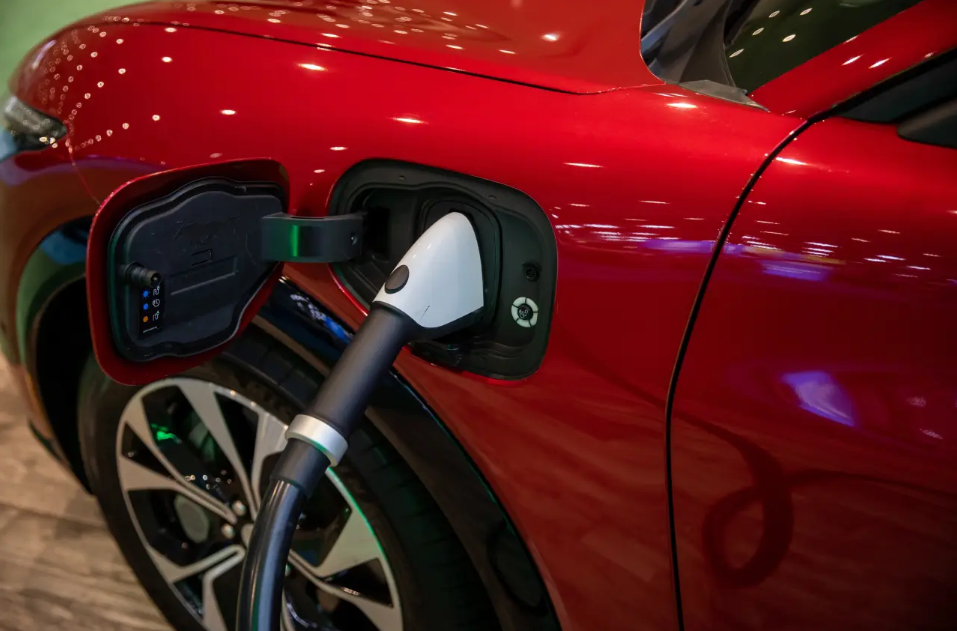
Charging performance itself also demonstrated meaningful progress. The Audi e-tron consistently received charging power exceeding 140 kilowatts, close to its technical charging capability. Each charging session lasted roughly twenty minutes and naturally coincided with meal or rest breaks, eliminating the perception that charging represented wasted travel time. Instead, charging became integrated into the overall journey schedule.
The only notable inconvenience occurred at a charging station operated by Circuit Électrique near Montreal, where the physical payment terminal failed to operate. Although downloading the provider's mobile application resolved the issue quickly, the incident illustrates that interoperability challenges have not been completely eliminated. Nevertheless, isolated technical problems now appear to be exceptions rather than recurring obstacles.
Comparing this experience with a similar road trip undertaken three years earlier highlights the pace of industry improvement. Earlier charging sessions frequently involved malfunctioning equipment, inaccurate station status information, interrupted charging sessions, and repeated calls to customer support before charging could even begin. Such operational shortcomings created uncertainty that often overshadowed the advantages of driving an electric vehicle.
Industry data supports the observation that these improvements extend beyond individual experiences. The United States has more than doubled its inventory of DC fast chargers compared with 2023, driven by continued investments from Tesla alongside competing charging providers. At the same time, wider access to Tesla's charging network has significantly expanded the number of reliable charging locations available to drivers of non-Tesla vehicles, strengthening network coverage nationwide.
Reliability metrics have also advanced considerably. According to Paren's charging reliability index, successful charging sessions and station uptime have improved from approximately 85 percent to the mid-90 percent range within a relatively short period. While Tesla continues to lead in operational consistency, competing charging operators have also achieved meaningful improvements, suggesting that market competition is accelerating service quality across the industry.
From a business perspective, charging infrastructure is evolving from a supporting utility into a strategic competitive asset. Charging networks are increasingly competing not only on geographical coverage but also on customer experience, payment simplicity, maintenance responsiveness, charging speed, and software integration. These elements collectively influence purchasing decisions for prospective EV buyers as much as vehicle specifications themselves.
The design philosophy surrounding charging infrastructure is also changing. Rather than treating charging stations as isolated energy dispensers, operators are integrating them into broader travel ecosystems where drivers can rest, dine, shop, or work while vehicles recharge. This customer-centered approach enhances brand perception while transforming unavoidable charging time into productive or comfortable downtime.
Economically, improved charging reliability lowers one of the largest psychological barriers preventing widespread EV adoption: range anxiety. As confidence increases, consumers become more willing to consider electric vehicles across a broader range of price categories, supporting continued investment by automakers, infrastructure developers, software companies, and energy providers throughout the electric mobility value chain.
Although network gaps and occasional equipment failures remain, the industry's overall trajectory demonstrates measurable progress. Faster maintenance response, expanding charger deployment, and increasingly sophisticated digital planning tools collectively suggest that public fast charging is transitioning from an early-stage challenge into a dependable transportation service capable of supporting mainstream electric mobility.
Rather than simply adding more chargers, the sector is redefining what reliability means in electric transportation. This transformation strengthens the overall brand identity of the EV ecosystem by replacing uncertainty with predictability, convenience, and customer trust—three factors that may ultimately prove more influential than battery range alone in shaping the future of electric mobility.
News You Should See
2026 Nobel Medicine Prize Honors Scientists Behind Optogenetics Breakthrough
Oil Prices Edge Lower as Stronger Middle East Exports and G7 Reserves Ease Supply Concerns
Trump Offers U.S. Assistance to Russia After Death at Siberian Plague Research Institute
Trump Takes Economic Message to Nebraska as GOP Faces Rising Cost-of-Living Pressure
U.S. Appeals Court Weighs Trump Administration’s $2.6 Billion Harvard Funding Fight
U.S. Midterm Elections Begin With Resilient Jobs Market and Persistent Cost Pressures
Latest News
The 2026 Nobel Prize in Physiology or Medicine honors Karl Deisseroth, Peter Hegemann and Georg Nagel for pioneering research behind optogenetics and its impact on neuroscience.
Oil prices edged lower as stronger Middle Eastern exports and a planned G7 release of 100 million barrels eased immediate supply concerns, while Gulf security risks and the Strait of Hormuz kept markets alert.
President Donald Trump said the United States would help Russia if needed after a laboratory worker died at a Siberian plague research institute, as Russian authorities imposed precautionary quarantine measures.
Trump’s Nebraska campaign stop highlights rising fuel and grocery costs, beef prices and growing economic pressure on Republicans ahead of the November midterm elections.
A U.S. appeals court is reviewing the Trump administration’s effort to cut Harvard’s federal research funding, with more than $2.6 billion at stake.
The U.S. enters the 2026 midterm elections with unemployment at 4.2%, while higher living and energy costs create economic pressure for households and businesses.
US services growth eased in September as input prices climbed to their highest level since July 2022, with fuel costs, supply-chain disruptions and strong demand increasing pressure on businesses.
Rising Treasury yields are increasing U.S. borrowing costs as Washington manages record debt, persistent inflation and strong economic demand, narrowing its policy options.
A EGP 16 million corporate partnership will establish and equip a bone marrow transplant unit at Cairo’s Coptic Hospital, supporting access to specialized treatment for patients.