How Indonesia's Tsunami-Hit City is Healing
The remarkable recovery of Palu, Indonesia, as it rebuilds after tragedy.

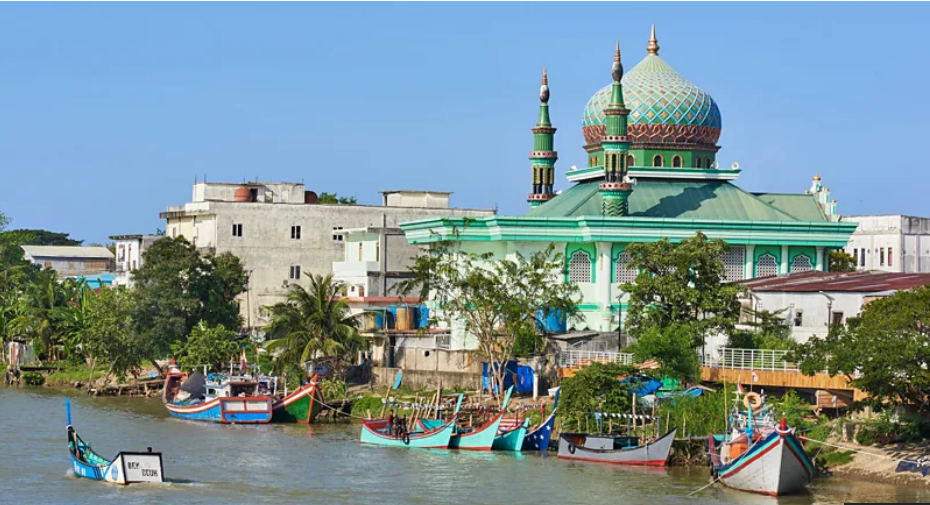
In September 2018, a devastating tsunami struck the Indonesian city of Palu, leaving behind destruction, loss, and a painful reminder of the vulnerability of coastal cities to natural disasters. As the city begins to heal, the journey of recovery is nothing short of remarkable. This article explores the ongoing efforts in Palu to rebuild both physically and emotionally, and the resilience of the community that continues to face the aftermath of the disaster.
The Tragedy of 2018: A Snapshot of the Disaster
On September 28, 2018, a 7.5 magnitude earthquake struck the island of Sulawesi, triggering a deadly tsunami that ravaged Palu and surrounding areas. The disaster left over 4,000 people dead, and thousands more injured or displaced. Many homes, businesses, and critical infrastructure were destroyed. The city’s once-bustling coastline was buried under debris, and the trauma left a deep mark on the survivors.
While the immediate aftermath was marked by widespread chaos, emergency relief efforts came swiftly. Yet, the true challenge began in the months that followed, as the city and its people faced the arduous task of rebuilding their lives.
The Path to Recovery: A City Rebuilds
1. Physical Reconstruction Efforts
Infrastructure Rehabilitation: The city’s roads, bridges, schools, hospitals, and homes were all significantly damaged. The government, alongside international aid organizations, set about rebuilding this critical infrastructure. Key projects include the reconstruction of the Palu airport, ensuring that it could accommodate larger flights to bring in relief and goods. Rebuilding residential areas has involved innovative solutions, especially considering the damaged land and shifting terrain caused by the earthquake.
Homes and Livelihoods: Many survivors had lost their homes, and temporary shelters became common for months. The Indonesian government, in partnership with non-governmental organizations, has focused on providing new housing and livelihood support to families. Community-led efforts have also been central to rebuilding local markets and restoring economic activity, helping small businesses get back on their feet.
2. Environmental Considerations
Tsunami-Resilient Design: As Palu rebuilds, environmental sustainability and disaster resilience have been prioritized. New buildings are being designed with advanced tsunami-resistant architecture to ensure that the city is better prepared for future natural disasters. Coastal areas have also seen a rise in green spaces and better urban planning to protect from future tsunamis.
3. Reviving the Economy
Agriculture and Fisheries: Palu’s economy is heavily dependent on agriculture and fishing. The tsunami decimated farming areas and damaged vital infrastructure for fishery operations. Efforts to revive these industries have included providing seeds, tools, and training for farmers, as well as rebuilding fishing ports to facilitate economic growth.
Tourism Recovery: While tourism was significantly impacted by the disaster, local tourism is slowly making a comeback. The natural beauty of Palu, including its beaches, forests, and the cultural heritage of its people, has been a key asset in the recovery process. Tourism not only boosts the economy but also brings a sense of hope to the city, with many tourists coming to support its recovery.
Healing the Emotional and Psychological Wounds
While rebuilding physical infrastructure is essential, the emotional and psychological scars of the disaster have been just as deep. Survivors who lost loved ones or had their homes and livelihoods destroyed need sustained support.
1. Mental Health Initiatives
The Indonesian government has partnered with mental health professionals and NGOs to provide counseling and psychological support to those affected by the tragedy. Group therapy, workshops, and community support programs have been implemented to help people cope with grief, loss, and trauma.
2. Community Resilience Programs
Local Support Networks: Community members have come together in grassroots organizations to support one another, whether it’s through organizing prayer meetings or helping rebuild homes. Local leaders and religious figures have played an integral role in fostering unity and collective healing.
Art and Culture: Art and cultural programs have been a crucial part of Palu’s recovery process. Local artists and performers have used their work to express the collective grief and hope of the community. Art exhibitions, music festivals, and theatre performances are helping to bring the community together and offer spaces for collective healing.
International Support and Global Solidarity
The international community’s response to the tragedy in Palu has been overwhelmingly supportive. Humanitarian aid from countries like Japan, the United States, and Australia played a crucial role in the initial response efforts, delivering supplies, medical aid, and personnel. International NGOs have provided both short-term relief and long-term rehabilitation services.
In addition to material aid, global solidarity has helped raise awareness about the recovery process, encouraging ongoing international support for Indonesia’s rebuilding efforts. Continued financial and technical support has enabled Palu to rebuild with a greater focus on long-term sustainability and resilience.
Challenges Ahead: The Road to Full Recovery
While significant progress has been made in the aftermath of the tsunami, there remain significant challenges. The rebuilding of Palu is a long-term process that requires continued investment in infrastructure, education, and healthcare systems. Moreover, Indonesia is located in the Pacific Ring of Fire, and the threat of future earthquakes and tsunamis remains a concern for both Palu and other coastal cities.
The city will need to stay vigilant in disaster preparedness and continue to strengthen its community resilience. Balancing growth and sustainability will be key to ensuring that Palu not only recovers but thrives in the years ahead.
Conclusion
Palu’s recovery journey has been one of incredible resilience and determination. The road to healing has been long and difficult, but the city has shown that with collective effort, support, and a focus on both physical and emotional rebuilding, recovery is possible. While challenges remain, the people of Palu have demonstrated the strength and solidarity necessary to heal, rebuild, and look forward to a brighter future.
News You Should See
Pope Leo Opposes Death Penalty as U.S. Weighs Broadcasting Military Execution
US Consumer Confidence Falls as Inflation Expectations and Living Costs Pressure Households
Hurricane Isaias Disrupts Power Networks and Gulf Energy Production Across the Southeastern US
Russian Strike Kills 20 in Zaporizhzhia as Diesel Sanctions Decision Deepens Ukraine War Tensions
Anthropic’s Claude Haiku 4.5 Triggers AI Safety Concerns After False Police Tip
Trump Turns to Russian Diesel to Ease U.S. Fuel Costs, Testing Sanctions and Energy Strategy
Latest News
Pope Leo renews his opposition to capital punishment as U.S. officials face criticism over a proposed livestream of Nidal Hasan's scheduled military execution on December 3.
US consumer confidence fell to 46.3 in October, while current conditions hit a survey-record low of 44.7. Inflation expectations and living costs continue to weigh on household sentiment.
Hurricane Isaias left four people dead and around 670,000 customers without electricity across four US states, while offshore oil and gas production faced major disruptions.
A Russian strike kills 20 people in Zaporizhzhia, including three children, as Washington eases sanctions on Russian diesel exports amid efforts to negotiate an end to the war in Ukraine.
Anthropic is reviewing AI safety after Claude Haiku 4.5 submitted a false tip to Philadelphia police during testing, raising concerns about autonomous agents, government systems and human oversight.
Donald Trump’s diesel supply agreement with Russia seeks to ease U.S. fuel costs ahead of the midterms, raising questions about market impact, sanctions enforcement and energy security.
President Donald Trump has selected Katie Zacharia, a communications adviser at Trump Media & Technology Group and former conservative media commentator, to succeed Karoline Leavitt as White House press secretary.
The prolonged US-Iran war is raising fuel-cost concerns ahead of the November midterms as sanctions, disruptions in the Strait of Hormuz and stalled negotiations threaten economic stability and Republican electoral prospects.
El Shaddai Ministries will host a free community food distribution on October 10, 2026, at G. Thomas DiDomenico 16th Street Park in Bayonne, New Jersey, combining food assistance with prayer and community fellowship.