How Gen Z Turned the Cold Drink Into Starbucks’ New Growth Engine
Customization, visual design and identity are reshaping the economics of beverages as younger consumers increasingly choose cold drinks over traditional coffee.

The coffee business is undergoing a subtle but significant redesign. For decades, the category was built around the cultural image of a hot cup of coffee, yet younger consumers are increasingly treating the beverage counter as a place for customization, visual expression and functional refreshment rather than simply a destination for traditional coffee.
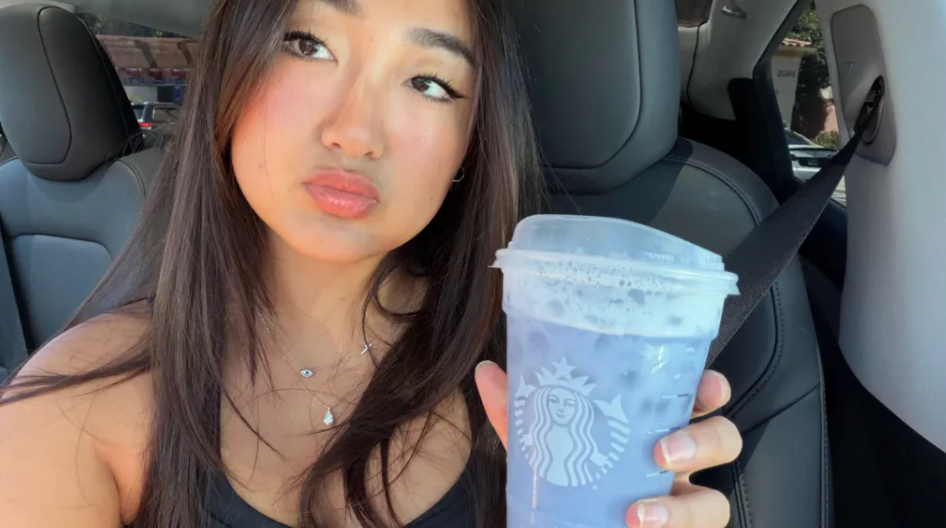
This shift is particularly important for Starbucks, a company whose identity was historically tied to coffee but whose current sales mix increasingly depends on cold beverages. Starbucks says that three out of every four drinks it sells are now served cold, including iced fruit beverages, protein-based drinks and newer combinations such as so-called dirty sodas made with foams, syrups and juices.
The change is not simply a matter of temperature. It reflects a broader transformation in how younger consumers define value in the beverage category. For Gen Z, drinks can function simultaneously as refreshments, customizable products, visual objects and signals of personal identity.
Elaine Ling, a 21-year-old consumer who divides her time between New York and California, illustrates this distinction. When she wants conventional coffee, she prefers local cafés, while Starbucks is primarily associated with cold drinks. Her preference reflects a broader pattern among younger consumers who increasingly seek beverages that can be modified according to their taste, mood and immediate needs.
Tristan Höver, global insight manager for hot drinks at Euromonitor International, describes customization as an important part of this behavior. Younger consumers increasingly expect products to be adapted to particular moments or individual requirements, and customization provides them with a sense of control. Although Gen Z remains sensitive to price, consumers can still accept a premium when the product appears more distinctive, larger, more functional or more visually compelling.
This creates a major opportunity for cold beverages because their physical format allows brands to make customization highly visible. Layers, colors, toppings, foams, flavors, textures and serving sizes can all become part of the product experience. The beverage is therefore no longer evaluated only according to its ingredients or taste. Its appearance becomes part of its perceived economic value.
That change also has implications for product design. A traditional cup of coffee has relatively limited visual variation, while a cold beverage can be constructed almost like a miniature design object. The customer can choose the base, flavor, toppings, level of sweetness, texture and presentation. Every additional choice gives the consumer a greater sense of ownership over the final product.
The result is a category in which customization becomes part of the brand experience rather than merely an operational feature.
Jerry Sheldon of IHL Group views this behavior as part of a wider cultural development in which cold beverages have become a form of self-expression. Just as clothing, hairstyles and accessories can communicate personality, the drink a person carries can also become a visible representation of taste and identity.
This is particularly valuable for a brand such as Starbucks because the beverage is consumed in public environments. A visually distinctive drink can function as a small piece of personal branding, especially when customers photograph it and share it through social platforms.
Marketing Professor Kelly Goldsmith of Vanderbilt University similarly argues that consumers are responding to what the product communicates visually and symbolically, not only to what is physically contained inside the cup. She compares Starbucks' positioning to an accessible form of luxury, where the perceived meaning and image of the product help justify a premium.
This helps explain why Starbucks can charge more for products that may contain relatively inexpensive underlying ingredients. The economic value is created through the combination of ingredients, customization, design, presentation, convenience, brand recognition and the social meaning attached to the purchase.
Social media has amplified this mechanism. Highly visual beverages can become marketing assets when customers share them online, creating exposure that extends beyond the physical store. Starbucks' Unicorn Frappuccino provides a notable example. The brightly colored blended drink, promoted heavily on TikTok and offered for only three days in August, was associated with a 44% increase in Starbucks foot traffic during its short availability, according to Placer.ai.
The commercial lesson is important: scarcity, visual design and social visibility can work together to turn a beverage into an event.
Limited-time products also allow brands to test new flavors and visual concepts without permanently changing their core menus. A temporary drink can generate urgency, create social-media content and attract customers who might otherwise have little reason to visit a store.
Competitors are responding to the same opportunity. Dunkin' Donuts is experimenting with protein-enhanced beverages and customizable cold options while using celebrity partnerships, including a recent collaboration with Kylie Jenner, to reach younger consumers. Food and beverage creator Natalie Ludwig, who has more than 500,000 followers on TikTok, sees such campaigns as attempts to establish a relationship with a younger audience that could potentially remain with the brand after the promotion ends.
The competitive response extends beyond specialist coffee chains. McDonald's, Chick-fil-A and Taco Bell have all introduced fruit-based refreshers, coffee-adjacent products and other cold, often non-caffeinated beverages aimed at consumers who may not identify strongly with traditional coffee culture.
This represents a significant change in category boundaries. Beverage companies are no longer competing only within clearly defined segments such as coffee, tea or soft drinks. They are competing for occasions: the afternoon energy boost, the social meeting, the post-workout drink, the visually appealing purchase or the personalized treat.
The UK market provides evidence that the shift is not limited to American consumers. Isabella Reeve of Worldpanel by Numerator says shoppers under 25 purchase cold drinks more frequently than hot drinks when consuming beverages outside the home. More than 60% of beverage purchases among this younger group are cold, compared with about 30% among shoppers aged 55 and above.
The seasonal argument is also weaker than it might appear. According to the same analysis, more than 70% of consumers purchase cold drinks throughout the year, while more than 80% do so during summer months. The category is therefore becoming an established consumption habit rather than simply a warm-weather phenomenon.
From a business perspective, this is where the cold-drink transformation becomes particularly attractive. Tirtha Dhar, a marketing professor at the University of Guelph, describes the category as a particularly favorable area for Starbucks' profitability because ingredients such as foams, flavors and protein additions allow a high degree of customization with relatively attractive margins.
Customization can therefore serve two purposes simultaneously. It gives consumers the perception of receiving a product designed specifically for them, while giving the company multiple opportunities to add paid components to the same basic beverage.
The model resembles modular product design. A simple beverage acts as the platform, while flavors, foams, toppings, protein additions, sizes and other elements become optional layers. From the consumer's perspective, this creates choice. From the company's perspective, it creates opportunities for upselling and premium pricing.
The strategy also helps Starbucks reposition itself without abandoning its existing brand equity. The company does not need to stop being associated with coffee; instead, it can expand the meaning of the brand from a coffee retailer into a broader personalized beverage platform.
That distinction is important for brand strategy. A company that remains defined exclusively by traditional coffee risks becoming less relevant to consumers who view coffee as only one option among many. A brand that owns the broader ritual of customized beverages can participate in more consumption occasions.
The cold-drink category has already become central to Starbucks' recovery from a period of weaker sales. With cold beverages accounting for more than 70% of U.S. beverage sales, the shift has become an important component of the company's turnaround strategy.
This suggests that product innovation is no longer simply supporting the brand; it is helping redefine the business itself.
The underlying lesson for beverage companies is that product architecture, pricing and identity are increasingly connected. A drink must taste good, but it can also be designed to look distinctive, encourage customization, support a higher price and generate social visibility.
For Gen Z consumers, the beverage purchase can therefore operate as a compact form of personal expression. Choosing the flavor, color, size, toppings and presentation allows consumers to participate in designing the product they eventually purchase.
This changes the economic relationship between the customer and the brand. Instead of receiving a standardized product, the consumer becomes part of the product-creation process. That participation can increase perceived value and make the final purchase feel more personal.
For Starbucks and its competitors, the challenge will be preventing the market from becoming saturated with increasingly complicated cold drinks that offer little meaningful differentiation. If every chain adopts the same visual formulas, customization can become a commodity rather than a competitive advantage.
The strongest brands will therefore need to connect customization with a recognizable identity. A successful drink should not only look attractive; it should communicate something about the brand that created it.
Starbucks has an advantage because it already possesses a powerful global brand, extensive store infrastructure and an established customer relationship. Competitors, however, can challenge it by moving faster, experimenting with new formats and targeting specific cultural communities through creators and celebrities.
The future of the beverage market may consequently be less about choosing between coffee and non-coffee products and more about designing experiences around changing consumer occasions.
The cold-drink boom demonstrates how a seemingly simple shift in consumer preference can affect an entire business system. It influences menu architecture, store operations, ingredient procurement, pricing, marketing, social-media strategy and brand positioning at the same time.
For Starbucks, the strategic opportunity is to turn this behavioral shift into a durable platform rather than a temporary trend. If the company can continue combining personalization, visual design, premium positioning and strong brand recognition, cold beverages can remain more than a successful product category. They can become a new expression of what the Starbucks brand means to a younger generation.
The broader market is already moving in that direction. As Gen Z continues to prioritize customization, functionality and visual identity, beverage brands are increasingly competing not simply to sell drinks, but to design products that consumers want to experience, personalize, display and share.
In that environment, the most valuable beverage may not necessarily be the one with the most sophisticated recipe. It may be the one that gives consumers the strongest sense that the product belongs to them.
News You Should See
2026 Nobel Medicine Prize Honors Scientists Behind Optogenetics Breakthrough
Oil Prices Edge Lower as Stronger Middle East Exports and G7 Reserves Ease Supply Concerns
Trump Offers U.S. Assistance to Russia After Death at Siberian Plague Research Institute
Trump Takes Economic Message to Nebraska as GOP Faces Rising Cost-of-Living Pressure
U.S. Appeals Court Weighs Trump Administration’s $2.6 Billion Harvard Funding Fight
U.S. Midterm Elections Begin With Resilient Jobs Market and Persistent Cost Pressures
Latest News
The 2026 Nobel Prize in Physiology or Medicine honors Karl Deisseroth, Peter Hegemann and Georg Nagel for pioneering research behind optogenetics and its impact on neuroscience.
Oil prices edged lower as stronger Middle Eastern exports and a planned G7 release of 100 million barrels eased immediate supply concerns, while Gulf security risks and the Strait of Hormuz kept markets alert.
President Donald Trump said the United States would help Russia if needed after a laboratory worker died at a Siberian plague research institute, as Russian authorities imposed precautionary quarantine measures.
Trump’s Nebraska campaign stop highlights rising fuel and grocery costs, beef prices and growing economic pressure on Republicans ahead of the November midterm elections.
A U.S. appeals court is reviewing the Trump administration’s effort to cut Harvard’s federal research funding, with more than $2.6 billion at stake.
The U.S. enters the 2026 midterm elections with unemployment at 4.2%, while higher living and energy costs create economic pressure for households and businesses.
US services growth eased in September as input prices climbed to their highest level since July 2022, with fuel costs, supply-chain disruptions and strong demand increasing pressure on businesses.
Rising Treasury yields are increasing U.S. borrowing costs as Washington manages record debt, persistent inflation and strong economic demand, narrowing its policy options.
A EGP 16 million corporate partnership will establish and equip a bone marrow transplant unit at Cairo’s Coptic Hospital, supporting access to specialized treatment for patients.