How Child-Safe Smartphones Are Reshaping the Consumer Tech Industry
As parents demand stronger digital protection, specialized smartphone makers are transforming device design through privacy-first software, controlled ecosystems, and subscription-driven business models.




Growing concerns over children's exposure to social media, cyberbullying, online predators, addictive digital behavior, and unrestricted internet access are reshaping one of the fastest-growing segments in consumer technology. Rather than encouraging children to use traditional smartphones with external parental-control applications, an expanding group of technology companies is redesigning the smartphone itself around safety, supervision, and age-appropriate digital experiences.
This emerging category represents a significant shift in product philosophy. Instead of treating parental controls as optional software features, manufacturers are integrating them into the foundation of the operating system, transforming smartphones into devices whose primary objective is communication, education, and safety instead of unlimited digital engagement.
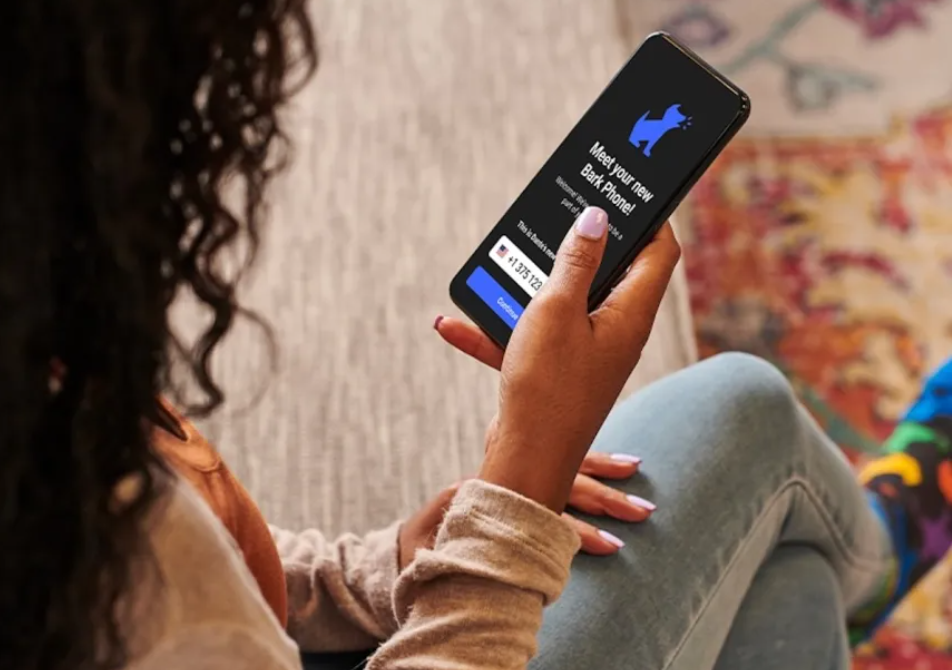
Among the market leaders is Bark, which combines Samsung smartphone hardware with its proprietary monitoring platform. The company's strategy centers on intelligent protection rather than complete restriction. Artificial intelligence continuously analyzes messages, emails, images, and supported applications to detect cyberbullying, online grooming, explicit content, suicidal ideation, and other potentially harmful activities before notifying parents. At the same time, Bark allows families to gradually unlock additional capabilities as children mature, creating a scalable digital experience that evolves with age instead of forcing a one-size-fits-all solution. GPS tracking, screen-time management, and customizable permissions further strengthen its value proposition.
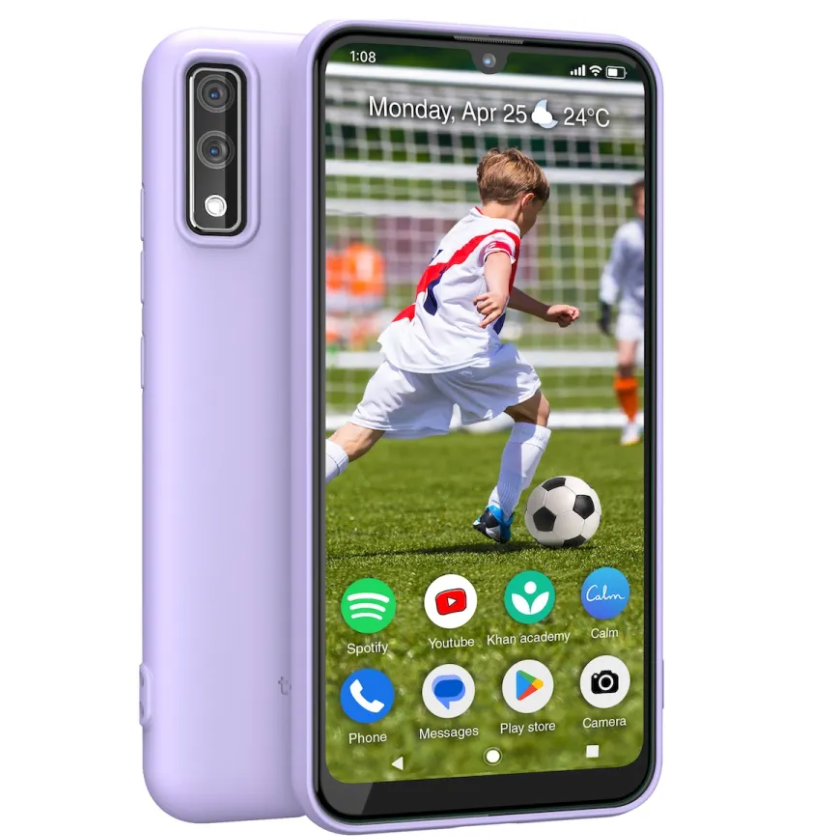
Gabb follows a noticeably different philosophy. Instead of monitoring children's digital behavior, the company attempts to eliminate many online risks before they can occur. Its devices remove web browsers, social media platforms, and app stores entirely while retaining essential communication functions such as calling, texting, photography, calendars, calculators, and a curated music platform. This design-first approach reflects a brand identity built around simplicity, distraction reduction, and preventive digital safety rather than behavioral surveillance.
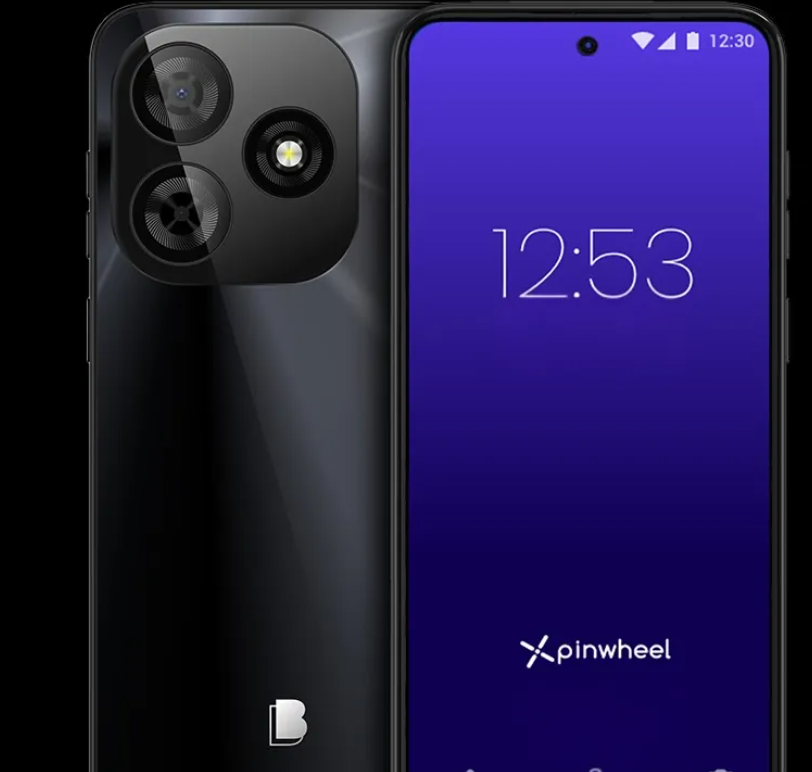
Pinwheel positions itself between flexibility and control. Parents decide every application installed on the device, approve every contact, configure individual screen-time schedules, and create personalized operating modes throughout the day. A phone may operate strictly as a communication device during school hours before automatically unlocking navigation, educational applications, or entertainment later in the evening. This adaptive software architecture demonstrates how software design has become the primary differentiator within the child-device market. Beyond smartphones, the company has expanded into Wi-Fi-based home phones and connected wearables, illustrating a broader ecosystem strategy rather than dependence on a single hardware category.
Teracube Thrive targets families seeking a more conventional Android experience without sacrificing parental oversight. Through Thrive OS, parents approve every application download, filter websites, establish usage schedules, monitor locations, and automate device behavior according to school or bedtime routines. Because the interface remains relatively similar to traditional smartphones, the product is generally positioned for older children preparing to transition toward standard mobile devices.
Not every company views the future of children's communication through smartphones. Ooma MyPhone reimagines the traditional home telephone by removing apps, internet access, social media, and texting altogether. Its Trusted Circle system limits communication exclusively to approved contacts while providing emergency calling, quiet hours, parental dashboards, and call history management. Similarly, Tin Can adopts a minimalist Wi-Fi-based home phone that emphasizes direct communication while eliminating virtually every digital distraction associated with modern smartphones.
Economically, this segment reflects an important transformation in revenue strategy. Rather than relying exclusively on hardware sales, most companies combine affordable device pricing with recurring subscription services that provide parental dashboards, cloud management, monitoring features, wireless connectivity, and advanced safety capabilities. This recurring-revenue model improves long-term customer retention while allowing continuous software updates and security improvements without requiring customers to purchase new hardware every year.
Brand identity has become another critical competitive factor. Bark promotes intelligent digital supervision powered by AI. Gabb emphasizes a distraction-free childhood through intentional feature reduction. Pinwheel builds its reputation around customizable family technology. Teracube focuses on responsible smartphone independence, while Ooma and Tin Can revive simplified communication experiences using modern connected infrastructure. Rather than competing on processor performance or camera specifications, these companies compete on trust, digital wellness, and family confidence.
The market's rapid expansion also aligns with broader regulatory and industry trends. Governments, educators, and major technology companies have introduced additional child-protection initiatives, while consumers increasingly expect stronger digital safeguards directly from device manufacturers instead of relying solely on third-party applications. Together, these developments indicate that child-focused smartphones may become a permanent category within the global consumer electronics industry, where software governance, responsible design, and subscription ecosystems define competitive advantage more than traditional hardware specifications.

News You Should See
2026 Nobel Medicine Prize Honors Scientists Behind Optogenetics Breakthrough
Oil Prices Edge Lower as Stronger Middle East Exports and G7 Reserves Ease Supply Concerns
Trump Offers U.S. Assistance to Russia After Death at Siberian Plague Research Institute
Trump Takes Economic Message to Nebraska as GOP Faces Rising Cost-of-Living Pressure
U.S. Appeals Court Weighs Trump Administration’s $2.6 Billion Harvard Funding Fight
U.S. Midterm Elections Begin With Resilient Jobs Market and Persistent Cost Pressures
Latest News
The 2026 Nobel Prize in Physiology or Medicine honors Karl Deisseroth, Peter Hegemann and Georg Nagel for pioneering research behind optogenetics and its impact on neuroscience.
Oil prices edged lower as stronger Middle Eastern exports and a planned G7 release of 100 million barrels eased immediate supply concerns, while Gulf security risks and the Strait of Hormuz kept markets alert.
President Donald Trump said the United States would help Russia if needed after a laboratory worker died at a Siberian plague research institute, as Russian authorities imposed precautionary quarantine measures.
Trump’s Nebraska campaign stop highlights rising fuel and grocery costs, beef prices and growing economic pressure on Republicans ahead of the November midterm elections.
A U.S. appeals court is reviewing the Trump administration’s effort to cut Harvard’s federal research funding, with more than $2.6 billion at stake.
The U.S. enters the 2026 midterm elections with unemployment at 4.2%, while higher living and energy costs create economic pressure for households and businesses.
US services growth eased in September as input prices climbed to their highest level since July 2022, with fuel costs, supply-chain disruptions and strong demand increasing pressure on businesses.
Rising Treasury yields are increasing U.S. borrowing costs as Washington manages record debt, persistent inflation and strong economic demand, narrowing its policy options.
A EGP 16 million corporate partnership will establish and equip a bone marrow transplant unit at Cairo’s Coptic Hospital, supporting access to specialized treatment for patients.