Higher Fiber Intake Linked to Fewer Depression Symptoms in 12,000-Person Study
New research points to a possible gut-brain connection, while experts caution that fiber should complement—not replace—established approaches to mental health.

A growing body of health research is shifting attention toward the relationship between diet, the gut and the brain, and a new analysis of more than 12,000 people adds further weight to that discussion. The study found that people who consumed more dietary fiber tended to report fewer symptoms of depression, although the findings do not establish that fiber itself prevents or treats depression.
Published in Clinical Nutrition ESPEN, the research examined data from participants in the National Health and Nutrition Examination Survey, covering periods before and during the COVID-19 pandemic. Mental-health symptoms were assessed using the Patient Health Questionnaire-9, a commonly used screening tool for depression and symptom severity.
One of the clearest findings was the association between incremental fiber intake and depressive symptoms. Before the pandemic, every additional five grams of daily fiber was associated with a 14 percent lower risk of reporting depressive symptoms. The relationship became weaker across the wider sample during the pandemic, when numerous social and psychological pressures were affecting mental health. Among women, however, the association remained during the pandemic, while the same pattern was not observed among men.
The findings also point to a broader nutritional issue. Average fiber consumption among participants declined from 16.52 grams per day before the pandemic to 15.95 grams during it. At the same time, the proportion of participants reporting depressive symptoms increased from 8 percent to 10 percent. These figures do not prove that the dietary change caused the shift in mental health, but they underline the importance of examining nutrition as part of a much larger health picture.
The scientific interest in fiber and mental health is partly driven by the gut-brain axis. Dietary fiber can be fermented by intestinal bacteria, producing short-chain fatty acids that participate in processes related to inflammation, immune activity and communication between the digestive system and the brain. Researchers therefore see a plausible biological pathway through which dietary patterns could be connected to mood and psychological wellbeing.
There is another possible explanation, however. People experiencing fewer depressive symptoms may simply be more likely to maintain healthier eating habits. That distinction is important because the study identified an association rather than a direct cause-and-effect relationship. Future research that follows individuals over time and incorporates biological measurements of gut health and inflammation could help determine whether fiber directly influences mental health or is instead one marker of a broader healthy lifestyle.
The research also leaves an important question unanswered: whether the source or type of fiber makes a difference. Dietary fiber broadly includes soluble and insoluble forms, which behave differently within the digestive system. Because the study measured total fiber consumption rather than distinguishing between individual fiber types and food sources, researchers say further work is needed to establish whether certain forms offer greater potential benefits.
From a public-health perspective, the findings are notable because average consumption in the study population remained below commonly recommended levels. General dietary guidance places adult fiber needs at roughly 25 to 38 grams per day, depending on factors such as age, sex and overall calorie intake. The research suggests that moving closer to recommended intake levels was associated with better mental-health outcomes, but it does not support using fiber supplements as a standalone strategy for depression.
The commercial implications are also significant. Interest in gut health has already created a rapidly expanding market around high-fiber foods, prebiotic products, supplements and functional nutrition. Research connecting fiber with mental wellbeing could strengthen consumer demand for products positioned at the intersection of digestive and psychological health. At the same time, the lack of evidence for a direct causal effect means brands will face greater pressure to distinguish scientifically supported nutritional claims from marketing language.
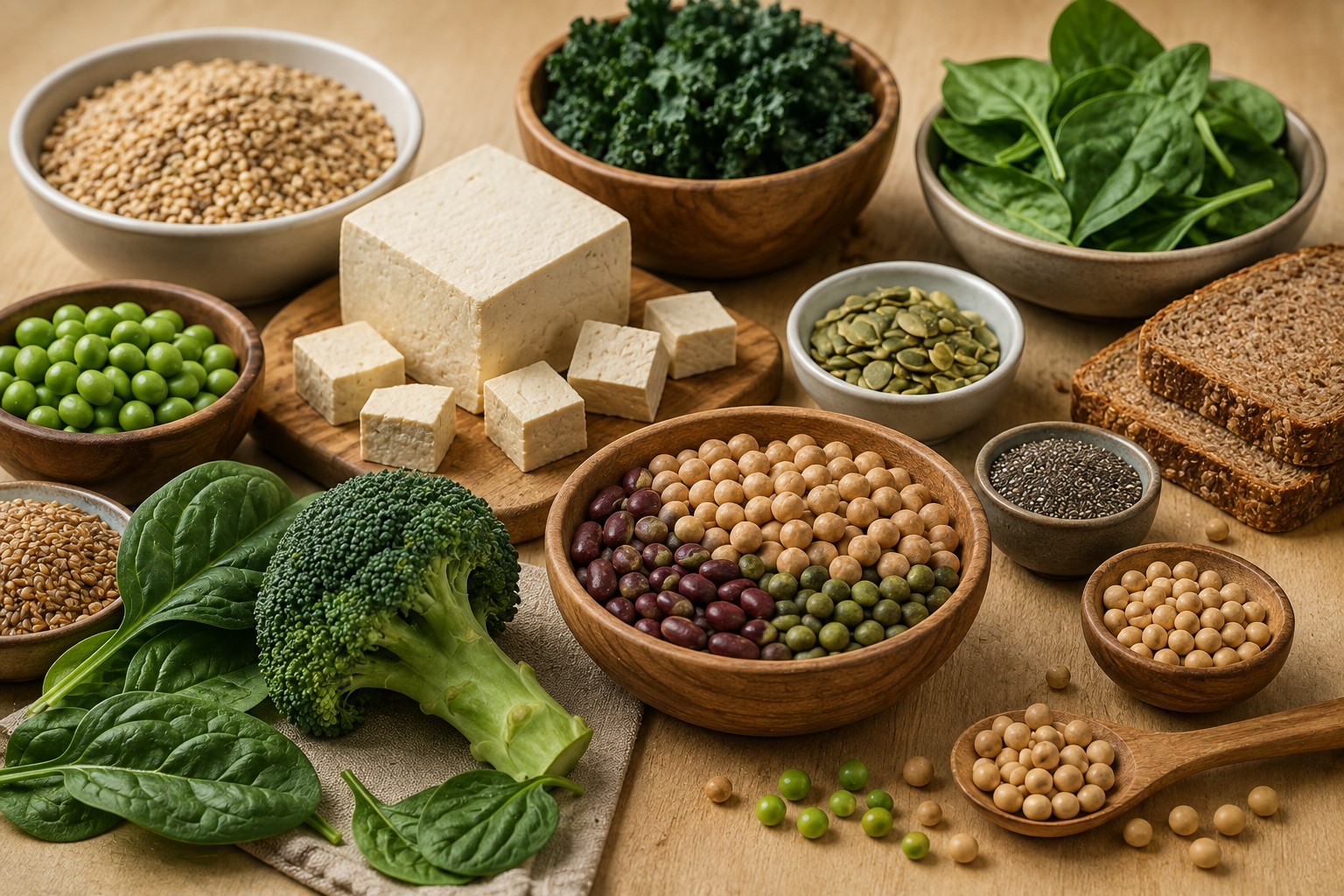
For food manufacturers, the opportunity is likely to center less on creating products marketed as treatments and more on making naturally fiber-rich foods easier to incorporate into everyday diets. Vegetables, fruits, whole grains, beans, lentils and nuts provide practical sources of dietary fiber and fit into broader dietary patterns rather than relying on a single nutrient as a solution.
The study ultimately reinforces a more measured view of nutrition and mental health. Depression is influenced by biological, psychological and social factors, and diet represents only one component of that complex equation. The significance of the research lies not in suggesting that fiber can replace established mental-health care, but in adding another piece to the evidence base around how everyday dietary patterns may interact with the gut and the brain.
For consumers and the health industry alike, the longer-term direction is increasingly clear: nutrition research is moving beyond traditional measures such as weight and cardiovascular health toward a broader understanding of how food may influence the interconnected systems that shape overall wellbeing.
News You Should See
2026 Nobel Medicine Prize Honors Scientists Behind Optogenetics Breakthrough
Oil Prices Edge Lower as Stronger Middle East Exports and G7 Reserves Ease Supply Concerns
Trump Offers U.S. Assistance to Russia After Death at Siberian Plague Research Institute
Trump Takes Economic Message to Nebraska as GOP Faces Rising Cost-of-Living Pressure
U.S. Appeals Court Weighs Trump Administration’s $2.6 Billion Harvard Funding Fight
U.S. Midterm Elections Begin With Resilient Jobs Market and Persistent Cost Pressures
Latest News
The 2026 Nobel Prize in Physiology or Medicine honors Karl Deisseroth, Peter Hegemann and Georg Nagel for pioneering research behind optogenetics and its impact on neuroscience.
Oil prices edged lower as stronger Middle Eastern exports and a planned G7 release of 100 million barrels eased immediate supply concerns, while Gulf security risks and the Strait of Hormuz kept markets alert.
President Donald Trump said the United States would help Russia if needed after a laboratory worker died at a Siberian plague research institute, as Russian authorities imposed precautionary quarantine measures.
Trump’s Nebraska campaign stop highlights rising fuel and grocery costs, beef prices and growing economic pressure on Republicans ahead of the November midterm elections.
A U.S. appeals court is reviewing the Trump administration’s effort to cut Harvard’s federal research funding, with more than $2.6 billion at stake.
The U.S. enters the 2026 midterm elections with unemployment at 4.2%, while higher living and energy costs create economic pressure for households and businesses.
US services growth eased in September as input prices climbed to their highest level since July 2022, with fuel costs, supply-chain disruptions and strong demand increasing pressure on businesses.
Rising Treasury yields are increasing U.S. borrowing costs as Washington manages record debt, persistent inflation and strong economic demand, narrowing its policy options.
A EGP 16 million corporate partnership will establish and equip a bone marrow transplant unit at Cairo’s Coptic Hospital, supporting access to specialized treatment for patients.