Hezbollah Eyes Nationalist Rebrand Ahead of Lebanon’s 2026 Election Amid Disarmament Pressure
Facing military setbacks, domestic opposition, and regional isolation, Hezbollah aims to shift its image to survive Lebanon’s changing political landscape before the 2026 election.

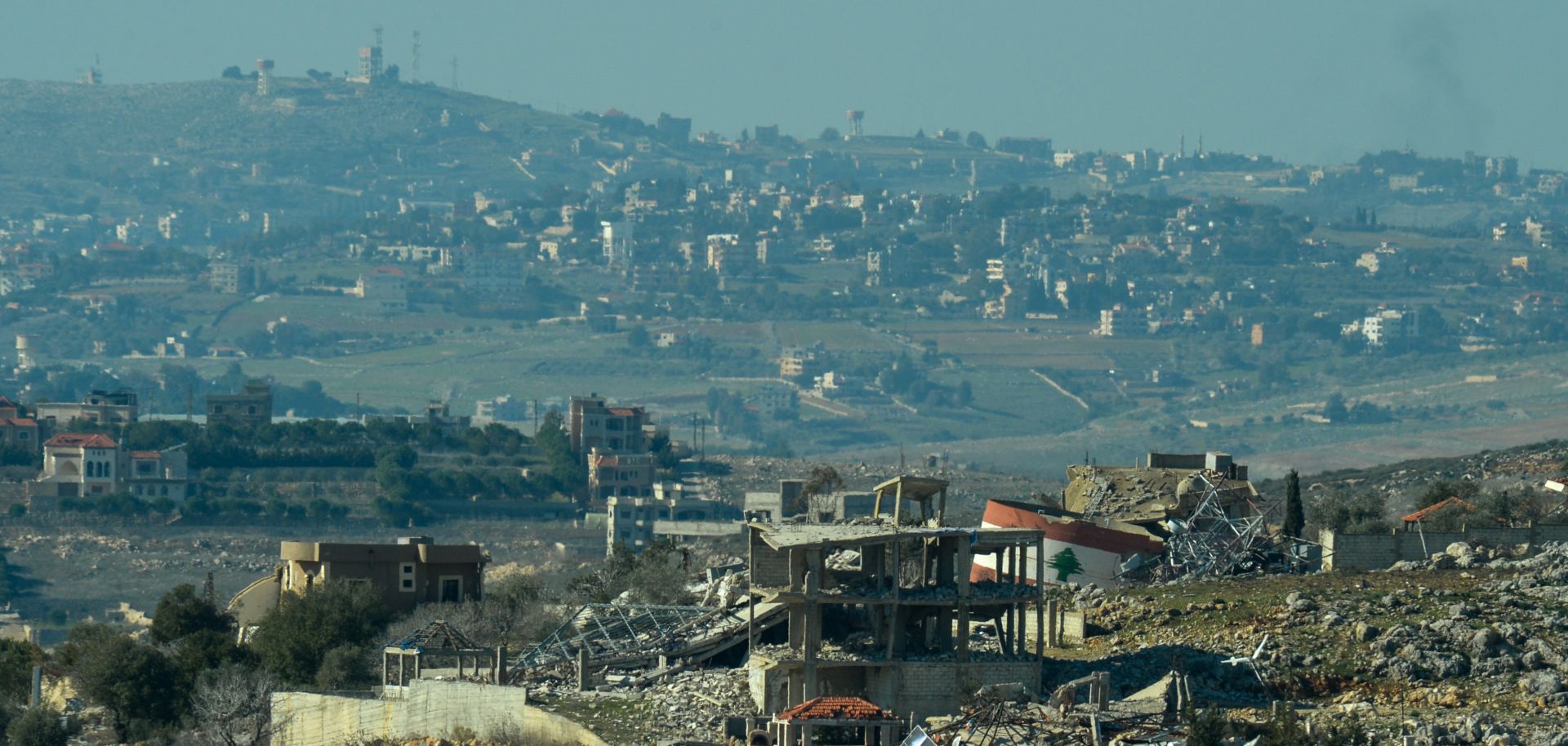
BEIRUT — As Lebanon approaches its pivotal 2026 general election, Hezbollah is attempting a strategic rebrand from a pan-Islamic proxy of Iran to a more nationalist Lebanese resistance force. This repositioning comes amid sustained pressure from the United States, Israel, and Lebanese society to disarm, and after suffering heavy military, political, and financial losses during the 2023-2024 war with Israel.
Following the November 2024 ceasefire, the U.S. and Israeli governments have revived diplomatic efforts to pressure Hezbollah into full military disarmament. In exchange, they’ve floated incentives such as Israeli troop withdrawals from Lebanon and an end to Israeli airstrikes. Lebanese officials reportedly responded positively, with U.S. special envoy Tom Barrack expressing deep satisfaction.
However, Hezbollah remains defiant. Deputy leader Sheikh Naim Qasim said on July 6 that the group won’t disarm until Israel completes its withdrawal from southern Lebanon, as stipulated in the ceasefire.
Mounting Costs and Internal Strain
The World Bank estimates that hostilities between Israel and Hezbollah cost Lebanon $8.5 billion between 2023 and 2024, worsening the country’s long-running economic collapse, political paralysis, and fallout from the 2020 Beirut explosion.
Meanwhile, Israel continues targeted strikes in Hezbollah strongholds like Beirut and the Bekaa Valley, citing the group’s attempts to rearm. The strikes are part of a strategy to weaken Hezbollah before any significant reconstruction aid reaches Lebanon.
Within Lebanon, calls for Hezbollah’s disarmament are growing louder, including from former allies like the Free Patriotic Movement, and reformist voices such as Paula Yacoubian and Walid Baarini have begun discussing normalization with Israel—a once-taboo subject.
Diplomacy and Border Disputes
Hezbollah is likely to selectively allow Israeli-Lebanese diplomatic efforts, especially around technical issues like border demarcation, ahead of the 2026 vote.
Lebanon is pushing for Israeli withdrawal from five remaining military outposts in southern Lebanon. Israel sees these positions as leverage to prevent Hezbollah's return to the border region.
Another possible breakthrough lies in resolving the Shebaa Farms dispute, a Golan Heights area claimed by Lebanon, Syria, and Israel. Though politically sensitive, it could be used as a confidence-building measure in broader talks.
Hezbollah previously tolerated the 2022 maritime border deal, which opened up offshore energy development. Similar quiet diplomacy may be permitted if it aligns with Hezbollah’s new nationalist image.
Between Militancy and Politics
Hezbollah's military identity remains central to its political survival. Despite losses, the group is unlikely to fully disarm unless under severe domestic or military pressure, such as losing popular support or facing existential threats. Neither seems imminent, especially as fears of another Lebanese civil war make the government reluctant to push hard.
Instead, Hezbollah is likely to offer symbolic concessions, like keeping armed units out of certain areas, while continuing to rebuild its arsenal using black-market smuggling routes through Syria, despite the collapse of Bashar al-Assad’s regime, which once facilitated Iran’s arms pipeline.
A Shift from Iran
The 2025 Israel-Iran conflict exposed Hezbollah’s weakened ties with Tehran. The group remained on the sidelines, showing how fragile its dependency on Iran has become. In response, Hezbollah is working to reframe itself as an independent, nationalist force—capable of confronting Israel without being seen purely as Iran’s proxy.
This repositioning may create a less Iran-dependent Hezbollah, but not a less confrontational one. Future clashes with Israel are still likely, though they may shift from rocket salvos to asymmetric guerrilla warfare, echoing Israel’s 1982–2000 occupation of southern Lebanon.
Hezbollah’s Electoral Strategy
With Lebanon's 2026 elections on the horizon, Hezbollah is expected to use anti-Israel sentiment and Israeli military activity as political tools to galvanize its base. It will also leverage its social welfare networks to replace absent foreign aid and shore up its popularity among Shiite voters and remaining Christian and Sunni allies.
Even if U.S. or Gulf financial support arrives, Lebanon’s deep-seated corruption and elite resistance to reform will likely delay effective governance, giving Hezbollah further space to present itself as the only viable political force capable of protecting and providing for the Lebanese people.
Outlook: Rebranding Without Disarming
In summary, Hezbollah’s strategic rebranding seeks to preserve its military power while shifting the perception of its role in Lebanon. Although this may de-escalate some regional tensions, it will not end the risk of war with Israel, particularly if Israeli forces remain in Lebanon or strikes continue. Without full disarmament, international aid will stall, Lebanon’s government will remain weak, and Hezbollah will likely emerge stronger—as a nationalist militia capable of surviving both domestic and foreign pressure.
News You Should See
Vancouver Launches 12th Annual Korey’s Joy Drive to Support Local Families
Agassi Sports Entertainment Joins Sinclair and Tennis Channel to Expand Padel and Pickleball
Vizrt Completes Chyron Acquisition to Expand Global Broadcast Technology Capabilities
Anyma and Jean-Michel Jarre Announce Major Pyramids of Giza Concerts for 2027
Arsenal Women Strike First Against Barcelona in Champions League Showdown
New Egypt Group Backs Latin Social Organization’s Thanksgiving Food Drive in Bayonne
Latest News
Vancouver, Washington launches its 12th Korey’s Joy Drive, collecting toys, holiday gifts and winter supplies for families through local nonprofits.
Agassi Sports Entertainment partners with Sinclair and Tennis Channel to promote padel and pickleball through nationwide television and digital platforms.
Vizrt completes its acquisition of Chyron, combining broadcast graphics technologies to expand cloud production and real-time augmented reality solutions.
Anyma and Jean-Michel Jarre announce two electronic music performances at Egypt's Great Pyramids in spring 2027, with presale tickets starting November 18.
Arsenal Women take a 1-0 lead over Barcelona after Frida Maanum's 21st-minute goal in their 2026-27 UEFA Women's Champions League encounter.
New Egypt Group supports Latin Social Organization’s Thanksgiving Food Drive in Bayonne by contributing food supplies to help local families prepare for the holiday.
Shorter winter days can affect appetite, sleep and energy. A dietitian explains the biological reasons behind seasonal cravings and the importance of meal planning.
Medical leaders debate whether AI will improve diagnosis and healthcare delivery or weaken doctors' clinical skills through growing reliance on technology.
A study published in PNAS Nexus suggests that differences in immune cells may help explain variations in obesity and fat distribution between males and females.