Healthcare Workers' Mental Well-being Emerges as a Critical Part of Ebola Response
A doctor's experience in the Democratic Republic of the Congo highlights the emotional pressures facing medical teams and the need to support those caring for patients.

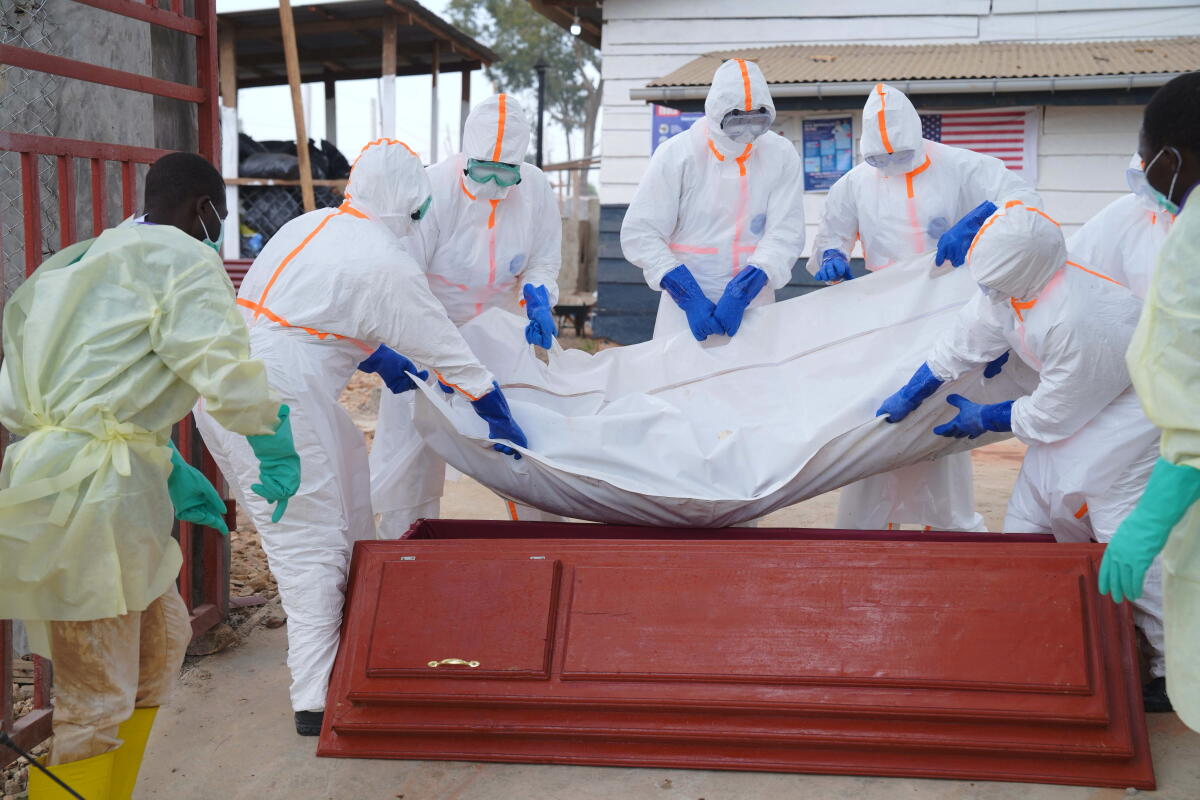
The response to infectious disease outbreaks depends not only on medical resources and treatment facilities, but also on the physical and psychological capacity of healthcare professionals working on the front lines. The Ebola response in the Democratic Republic of the Congo offers a clear example of the emotional demands placed on medical teams.
In a story published on November 3, 2026, the World Health Organization (WHO) drew attention to the experience of Dr. Elvis Mani Rodrigo, a physician at the Ebola treatment centre in Bunia General Hospital. His responsibilities extend beyond clinical care to include providing emotional reassurance to patients and supporting families affected by the outbreak.
His professional experience took on a personal dimension when his wife, a laboratory technician at the same hospital, contracted Ebola. Her recovery gave him a closer understanding of the fear, uncertainty and emotional strain experienced by people facing the disease and their relatives.
This experience illustrates how healthcare workers can be affected by an outbreak both professionally and personally. While medical teams are expected to maintain their focus on patient care, they may also confront difficult circumstances within their own families and workplaces.
The WHO account highlights the importance of recognizing these pressures as part of the wider public health response. Effective care involves more than diagnosing and treating an illness; communication, compassion and emotional support can also make a meaningful difference to patients and their families.
Equally important is ensuring that healthcare professionals have access to psychological support. Continuous exposure to stressful working conditions and the risks associated with infectious diseases can place significant demands on medical personnel. Supporting their well-being is therefore an important consideration in maintaining the continuity and quality of healthcare services.
The experience of medical workers during the Ebola response underlines a broader principle in public health: emergency preparedness must consider the needs of both patients and the people treating them. Protecting healthcare teams is not simply a workplace concern; it is part of building a more resilient response to health emergencies.
News You Should See
Man City Faces Calls for Further Premier League Investigation Over Post-2018 Finances
Apple Maps Blurs Satellite Images of Key U.S. Military and NASA Sites
Who Is Delorean Bijon Brandon? The Case of Christina Downer’s Disappearance and Suspected Murder
From Siskel and Ebert to The Beatles: Celebrating Entertainment Legends
Olive Oil Before Carbs: Could Timing Influence Blood Sugar?
Jack Hughes Leads Devils to Shootout Victory, Ending Oilers’ Winning Run
Latest News
Premier League executives are debating a possible new investigation into Manchester City's finances after 2018, while the club appeals a verdict involving 114 financial-rule breaches.
Apple Maps has blurred satellite imagery of several U.S. military and NASA sites, including Cape Canaveral and Area 51. The reason for the changes remains unclear.
Delorean Bijon Brandon, 41, has been charged in connection with Christina Downer’s suspected murder after her disappearance in September 2025.
Chicago will honor film critics Gene Siskel and Roger Ebert with life-sized bronze statues, celebrating a partnership that reshaped popular film criticism.
Researchers are examining whether taking olive oil before glucose can slow stomach emptying and influence blood sugar levels, based on promising findings in mice.
Jack Hughes scores twice and adds an assist as the New Jersey Devils defeat the Edmonton Oilers 4-3 in a shootout, ending their three-game winning streak.
Researchers found that physical contact with dogs after an initial stressful task was associated with lower stress levels during a second challenge.
Researchers analyzed genetic data from 2.8 million people and identified 48 previously unknown genomic regions associated with Alzheimer's disease risk.
Screen-free schools are gaining interest among Silicon Valley tech families, raising questions about children's digital exposure and the role of technology in education.