Harvard Faces Up to $1 Billion Annual Loss Amid New Federal Tax and Funding Cuts
Harvard braces for steep financial impact after federal tax increase on endowment and cuts to research funding and international student enrollment.

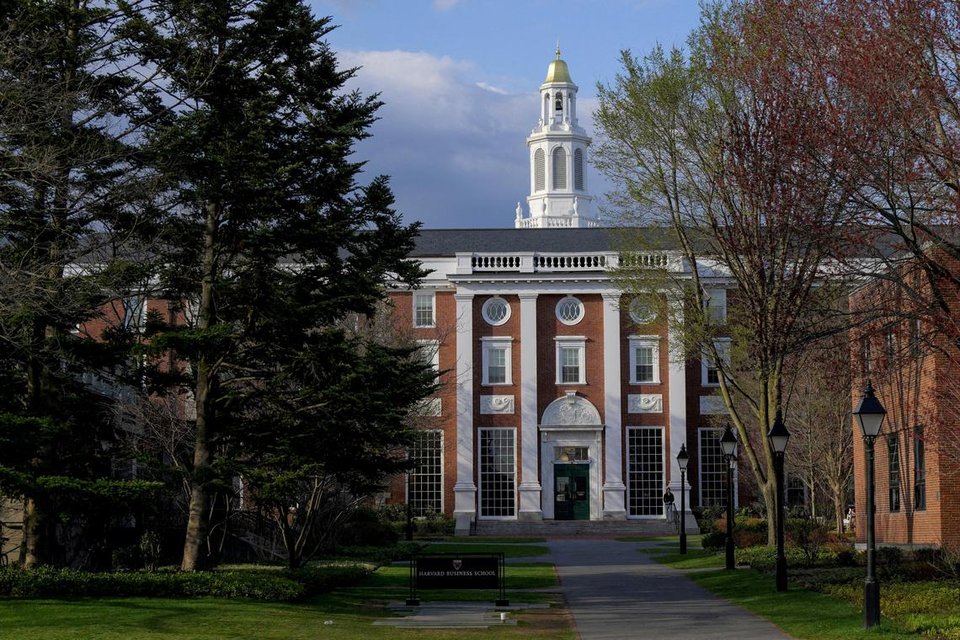
WASHINGTON — Harvard University has warned that a combination of new federal policies, including a significant tax increase on its endowment, could cost the institution up to $1 billion annually.
In a letter dated July 14 from President Alan Garber and senior leaders, Harvard revealed that leadership across its schools and units is continuing to reduce spending, with a hiring freeze still in place for both faculty and staff.
“The unprecedented challenges we face have resulted in disruptive changes, painful layoffs, and ongoing uncertainty about what lies ahead,” the letter stated.
Under the Trump administration, Harvard has become a primary target in efforts to reshape higher education. The government has frozen more than $2.6 billion in research funding, threatened to revoke Harvard’s tax-exempt status, and sought to block enrollment of international students—an important source of revenue for the university.
Originally accused of not adequately addressing anti-Semitism, federal criticisms have expanded to allegations of political bias and promoting diversity initiatives in hiring and admissions.
Harvard has filed two lawsuits: one challenging the suspension of federal funding from agencies like the National Institutes of Health and National Science Foundation, and another opposing the ban on international student enrollment.
“We hope these legal actions will reverse some of the federal measures and that we can successfully raise alternative funding,” the university’s leadership wrote. “At the same time, we must prepare for the possibility that lost revenue will not be restored anytime soon.”
Harvard’s $53 billion endowment is the largest among U.S. universities and supports nearly 40% of its annual operating budget. In 2024, Harvard’s operating revenue was $6.5 billion, with expenses rising 9% to $6.4 billion.
The recently passed reconciliation bill could increase the federal tax rate on income from Harvard’s endowment to as much as 8%, up from the previous 1.4%, further straining the university’s finances.
News You Should See
Five Tama County Towns Launch Joint Downtown Revitalization Initiative
Columbus North Students Present Shakespeare’s As You Like It This Weekend
Northeast Ohio Students Rally for Hearing Care Through Charity Volleyball Event
Evanston Arts Council Celebrates Local Talent at Annual Bright Night Event
NBA Cup Group Stage Features High-Stakes Knicks-Pacers and Cavaliers-Heat Showdowns
New Jersey Devils Overcome Capitals With Three-Goal Third-Period Surge
Latest News
Five Tama County communities begin a downtown assessment program focused on storefront upgrades, pedestrian accessibility, and local economic growth.
Columbus North High School drama students stage William Shakespeare’s As You Like It at Judson Erne Auditorium in a weekend theatrical production.
Youngstown State students host the annual Hits for Hearing volleyball fundraiser, supporting access to hearing aids and auditory care across the Mahoning Valley.
Evanston Arts Council celebrates local artists, performers and cultural grant recipients at its annual Bright Night for the Arts event.
The NBA Cup group stage continues November 13 with Knicks-Pacers and Cavaliers-Heat leading a nine-game schedule across the league.
New Jersey Devils defeat Washington Capitals 5-2 after scoring three unanswered third-period goals to secure their 14th NHL win of the season.
Healthcare investments in Asia and the Middle East are transforming hospital rankings through advanced technology, medical tourism and expanded specialist services.
Look-alike contests inspired by Elizabeth Holmes are spreading across American cities, combining entertainment, viral marketing and growing interest in the documentary about the Theranos founder.
A University of Virginia mouse study identifies CASS4's role in brain immune cells and its potential importance in limiting Alzheimer's-related damage.