Google Expands the Pixel Ecosystem with AI-Centered Devices and a New Tracking Platform
The Pixel 11 family, Pixel Watch 5 and Pixel Tag turn Google’s hardware strategy into a connected ecosystem where AI, durability and everyday utility reinforce the brand experience.


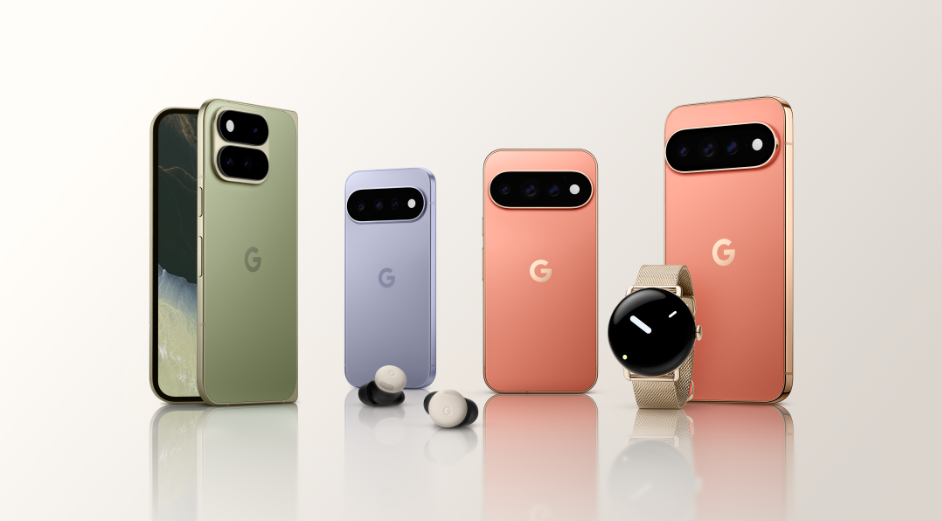
Google is using its Made by Google 2026 event to strengthen a hardware strategy that increasingly depends on artificial intelligence as the connective layer between devices. The company introduced the Pixel 11 family, Pixel Watch 5 and Pixel Tag while also presenting a broader collection of Gemini-powered capabilities designed to make Pixel products more responsive to the way people communicate, search, interact and manage everyday tasks.
The most significant strategic element of the announcement is the growing role of Gemini across Google’s hardware portfolio. Instead of treating AI as an isolated software feature, Google is positioning it as part of the core user experience surrounding its devices. This approach allows the company to connect smartphones, watches, earbuds and tracking hardware through a common intelligence layer, reinforcing the idea that Pixel is not simply a collection of individual products but an integrated technology ecosystem.
Accessibility is one of the clearest areas where this strategy becomes visible. Google is expanding Live Transcribe to support American Sign Language through the Pixel Camera. The feature can interpret sign language and translate it into text, creating an additional communication method for users who may otherwise need to rely on typing. By integrating this capability directly into the camera experience, Google is turning an existing hardware component into an AI-enabled accessibility tool.
Google also introduced Rambler, a voice-input feature designed to better understand natural and imperfect speech. Rather than expecting users to construct carefully structured sentences, Rambler is intended to process run-on sentences, filler words and less organized forms of speech while determining the user’s underlying intent. This represents a shift in interface design from users adapting themselves to rigid command structures toward technology becoming more capable of adapting to natural human communication.
The Pixel Camera is also becoming a more important gateway to information. Circle to Search can now be accessed more directly from the camera, enabling users to identify objects, search for distant subjects, translate text and ask questions about their surroundings without leaving the camera environment. Strategically, this reduces the number of steps between seeing something and obtaining information about it, strengthening Google’s position at the intersection of visual search, AI and mobile computing.
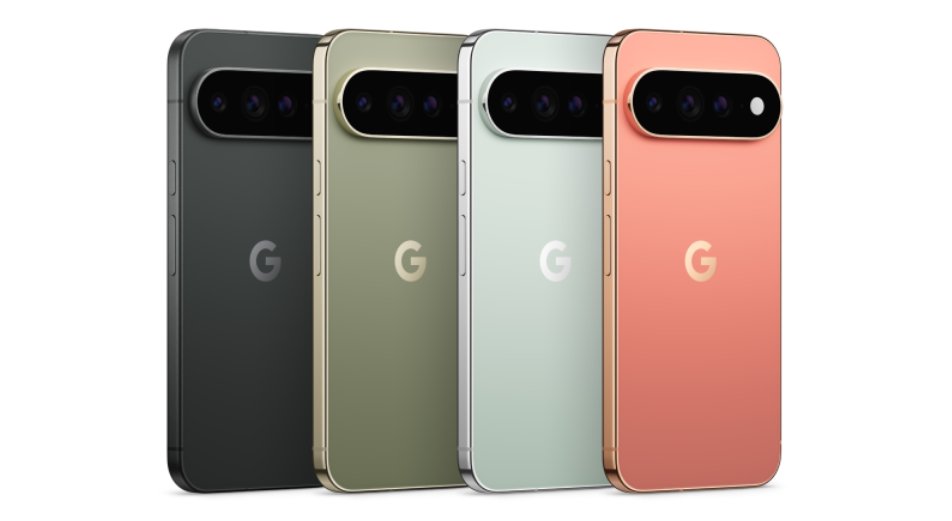
The Pixel 11 itself introduces a combination of industrial redesign and increased baseline value. Its camera bar is more than 40% thinner than the previous generation and now uses an all-glass surface extending across the width of the phone. Google is also doubling the starting storage capacity to 256GB. However, that hardware upgrade is accompanied by a higher entry price of $899, compared with $799 for the Pixel 10, as the 128GB configuration has been removed. Google also points to the continuing RAM supply shortage as one factor contributing to the price increase.
The standard Pixel 11 will be offered in Frost, Hibiscus, Pistachio and Obsidian. The color strategy reinforces Google’s recognizable Pixel identity by combining distinctive consumer-oriented finishes with a consistent visual language across the product generation.
The Pixel 11 Pro and Pixel 11 Pro XL place greater emphasis on physical durability. Google says both models offer improved resistance to drops and feature a new anti-scratch display coating capable of providing more than twice the scratch resistance of the Pixel 10 Pro generation. The Pixel 11 Pro begins at $1,099, up from $999 for its predecessor. The models are available in Canyon, Fog, Olive and Obsidian, with the Obsidian version receiving an all-matte finish that further differentiates the premium range visually.
Google is also continuing to develop the foldable segment with the Pixel 11 Pro Fold. The new model is nearly 10% lighter and almost 1 millimeter thinner than the Pixel 10 Pro Fold. It includes slimmer bezels, a 48-megapixel main camera and 30x Super Zoom, while retaining the IP68 water and dust resistance introduced with the previous generation.
Durability is a particularly important part of the foldable strategy. The Pixel 11 Pro Fold uses a glass-fiber composite back cover intended to provide greater resistance to cracking, while a redesigned hinge adds additional protection for the internal display. Google says these changes make the device three times more durable than its predecessor. The model will be available in Olive and Obsidian.
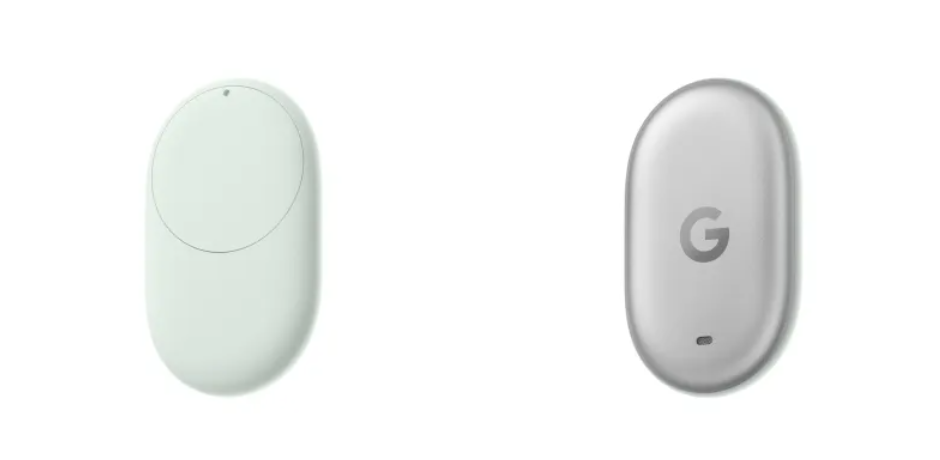
One of the most strategically significant launches is Pixel Tag, Google’s dedicated tracking device and a direct expansion into a product category strongly associated with Apple’s AirTag. Pixel Tag is designed to help users locate everyday belongings such as keys, wallets and luggage. It connects to Android’s Find Hub network, allowing users to view its location through the Find Hub application in a way comparable to Apple’s Find My ecosystem.
The economic and ecosystem implications of Pixel Tag extend beyond the $29 price of an individual unit. Google is using the product to strengthen the value of its broader Android network by turning connected devices into additional nodes within Find Hub. The product costs $29 individually or $99 for a four-pack, creating an accessible entry point while also encouraging households to deploy multiple tracking devices.
The integration with other Pixel products further reinforces this ecosystem strategy. Pixel Tag can be located through a Pixel Watch, while Pixel Buds users can ask Gemini to find or ring a Pixel Tag using voice interaction. These connections demonstrate how Google is attempting to make individual hardware products more valuable when they operate together rather than independently.
The Pixel Watch 5 extends the same ecosystem philosophy into wearable technology. The new smartwatch introduces additional health-oriented capabilities through the Google Health app, including monthly summaries of blood pressure trends and insulin resistance trends. The purpose is to help users identify patterns over time rather than relying exclusively on isolated measurements.
Pricing for the Pixel Watch 5 begins at $399 for the 41mm model and $429 for the 45mm version. Google is also introducing a Stephen Curry edition priced at $579, featuring an exclusive design intended for workouts. The partnership adds a lifestyle and cultural dimension to the product, allowing Google to position a technical device within a recognizable personal brand and sports-oriented identity.
Pixel Buds Pro are also receiving a new Olive color, maintaining visual coordination with the broader Pixel hardware family. Although the update is relatively small, consistent colors and finishes across smartphones, watches, earbuds and other devices contribute to the perception of a unified product family.
Overall, Google’s 2026 hardware strategy is increasingly defined by integration rather than individual specifications. The Pixel 11 lineup improves physical design, storage, durability and camera capabilities, while Gemini expands the intelligence layer connecting the user experience. Pixel Tag extends the ecosystem into physical-object tracking, Pixel Watch 5 broadens it into health and wearable computing, and Pixel Buds contribute to voice-based interaction.
From a brand perspective, the strategy allows Google to differentiate Pixel through an identity built around useful intelligence rather than hardware alone. The company is not competing exclusively on camera specifications, processing power or industrial design; it is attempting to establish a recognizable relationship between Google’s AI capabilities and the physical products consumers use throughout the day.
The financial positioning also reveals a move toward greater segmentation. Higher starting prices for the Pixel 11 and Pixel 11 Pro place more emphasis on premium hardware value, while products such as Pixel Tag provide a relatively inexpensive way for consumers to enter deeper into the ecosystem. At the same time, specialized editions such as the Stephen Curry Pixel Watch demonstrate how Google can use partnerships and distinctive branding to create higher-value variants.
The Made by Google 2026 portfolio therefore represents more than a conventional annual hardware refresh. It reflects an effort to build a connected consumer technology environment in which smartphones, wearables, earbuds, tracking devices and artificial intelligence reinforce one another. By making Gemini increasingly visible across these products, Google is attempting to turn AI from a standalone feature into a defining part of the Pixel brand and a central component of its long-term hardware strategy.
News You Should See
2026 Nobel Medicine Prize Honors Scientists Behind Optogenetics Breakthrough
Oil Prices Edge Lower as Stronger Middle East Exports and G7 Reserves Ease Supply Concerns
Trump Offers U.S. Assistance to Russia After Death at Siberian Plague Research Institute
Trump Takes Economic Message to Nebraska as GOP Faces Rising Cost-of-Living Pressure
U.S. Appeals Court Weighs Trump Administration’s $2.6 Billion Harvard Funding Fight
U.S. Midterm Elections Begin With Resilient Jobs Market and Persistent Cost Pressures
Latest News
The 2026 Nobel Prize in Physiology or Medicine honors Karl Deisseroth, Peter Hegemann and Georg Nagel for pioneering research behind optogenetics and its impact on neuroscience.
Oil prices edged lower as stronger Middle Eastern exports and a planned G7 release of 100 million barrels eased immediate supply concerns, while Gulf security risks and the Strait of Hormuz kept markets alert.
President Donald Trump said the United States would help Russia if needed after a laboratory worker died at a Siberian plague research institute, as Russian authorities imposed precautionary quarantine measures.
Trump’s Nebraska campaign stop highlights rising fuel and grocery costs, beef prices and growing economic pressure on Republicans ahead of the November midterm elections.
A U.S. appeals court is reviewing the Trump administration’s effort to cut Harvard’s federal research funding, with more than $2.6 billion at stake.
The U.S. enters the 2026 midterm elections with unemployment at 4.2%, while higher living and energy costs create economic pressure for households and businesses.
US services growth eased in September as input prices climbed to their highest level since July 2022, with fuel costs, supply-chain disruptions and strong demand increasing pressure on businesses.
Rising Treasury yields are increasing U.S. borrowing costs as Washington manages record debt, persistent inflation and strong economic demand, narrowing its policy options.
A EGP 16 million corporate partnership will establish and equip a bone marrow transplant unit at Cairo’s Coptic Hospital, supporting access to specialized treatment for patients.