Global Stock Markets Slide Amid Rising Fears of an “Artificial Intelligence Bubble” and Higher U.S. Treasury Yields
Global Stock Markets Slide Amid Rising Fears of an “Artificial Intelligence Bubble” and Higher U.S. Treasury Yields

December 12, 2025 – New York / London / Tokyo
Global financial markets recorded a notable decline during Friday’s trading session on December 12, 2025, following a period of heightened volatility that prompted investors to scale back their positions in technology stocks. At the same time, rising U.S. Treasury yields added further pressure on valuations of high-risk assets.
Decline in Major Stock Indices
In the United States, the main equity indices closed lower amid a broad sell-off in technology shares:
The S&P 500 fell by approximately 1.1%, marking its weakest weekly performance in several weeks.
The Nasdaq Composite declined by around 1.7%, weighed down by sharp losses in artificial intelligence and technology-related stocks.
The Dow Jones Industrial Average slipped by about 0.5%.
The Russell 2000 also recorded additional losses, reflecting weakness among small-cap stocks.
The downturn was driven in particular by declines in major AI-linked technology companies such as Broadcom, Oracle, and Nvidia, after these firms issued outlooks below investor expectations or reported weaker-than-anticipated profit margins. This reignited concerns that valuations in the sector may have become overstretched.
🔺 U.S. Treasury Yields Rise
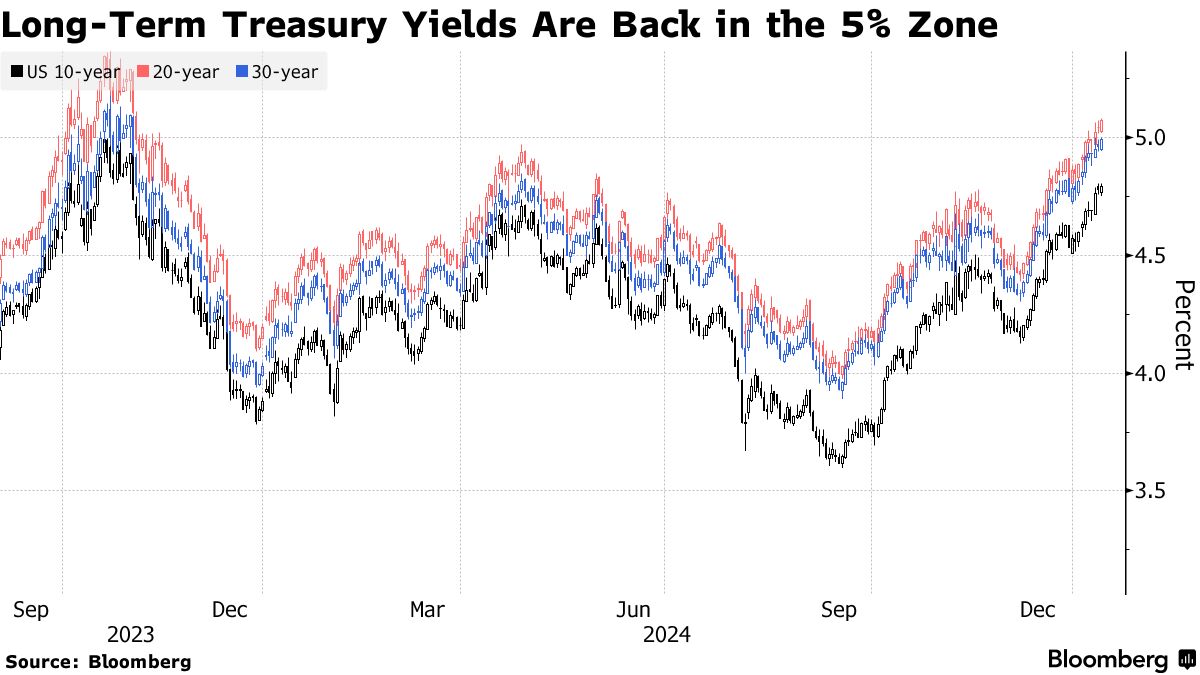
On the fixed-income front, U.S. Treasury yields climbed to higher levels, increasing the opportunity cost of investing in equities—especially high-growth stocks. Higher yields have made fixed-income assets relatively more attractive compared with technology shares, which are highly sensitive to future earnings expectations, prompting capital outflows from growth stocks.
🤖 Fears of an AI Bubble
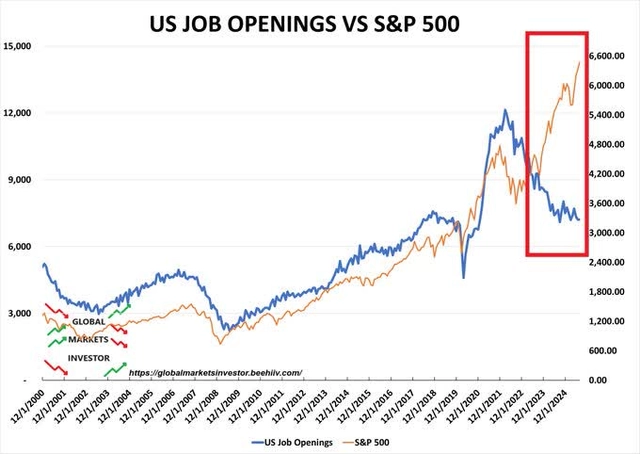
The equation in financial markets appeared increasingly clear: after years of strong gains in artificial intelligence companies and related sectors, investors have begun reassessing their expectations for future growth and profitability.
Broadcom lowered its profit-margin outlook, while rising bond yields further tightened financial conditions for technology stocks.
Oracle posted losses after announcing a significant increase in spending on AI projects, raising questions about the effectiveness of such investments and their ability to support future earnings.
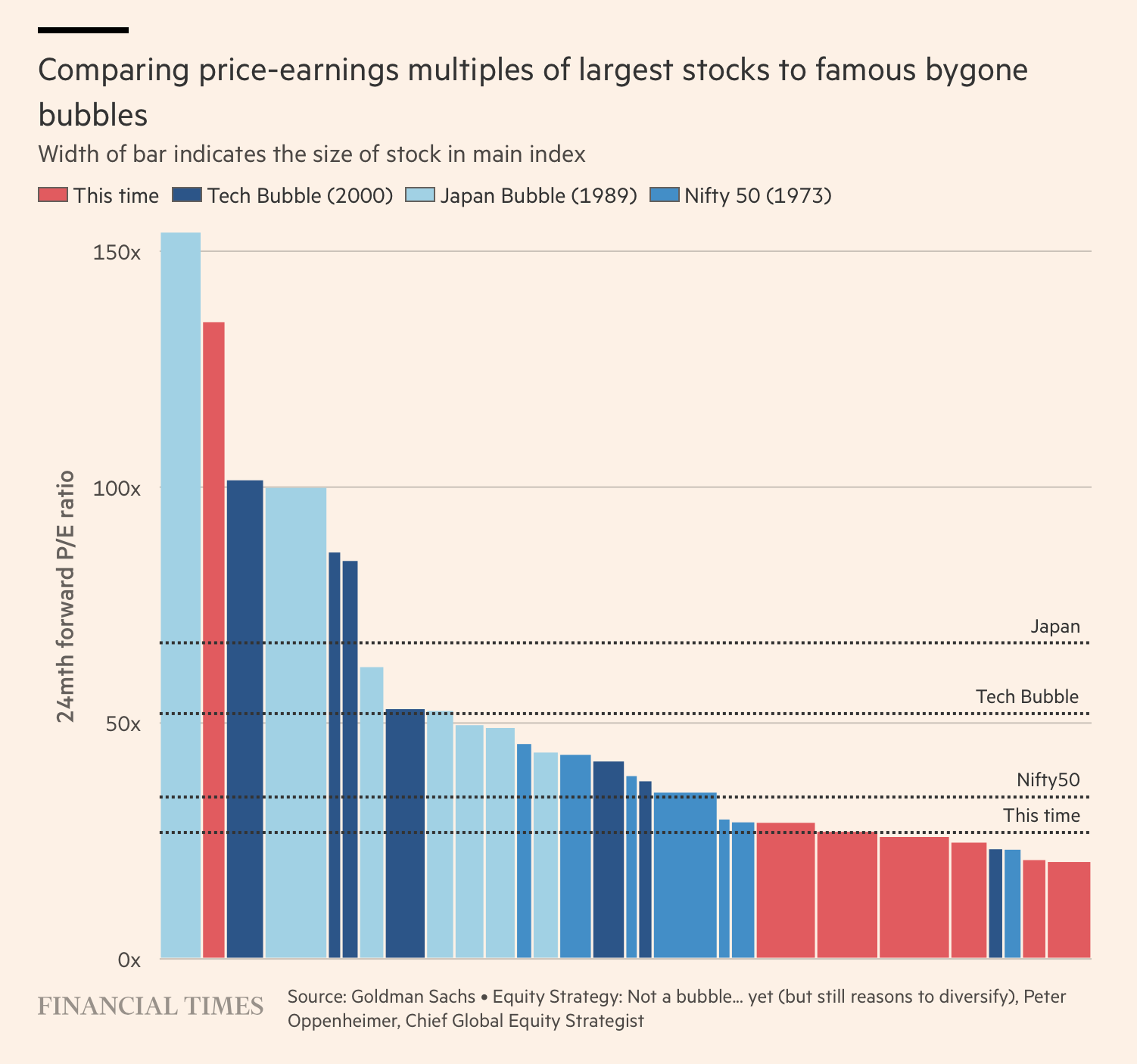
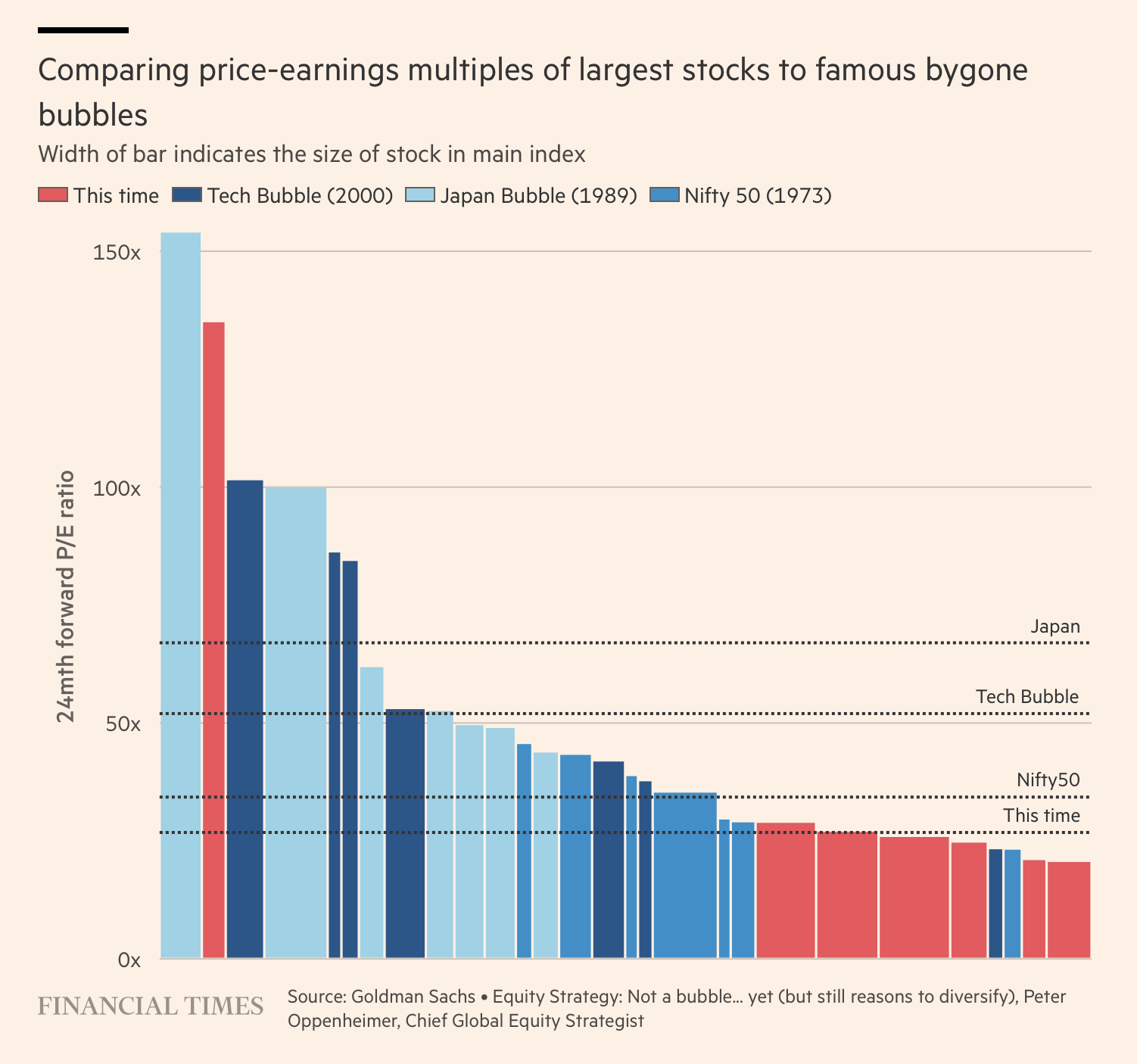
Stocks directly linked to artificial intelligence faced widespread selling pressure, fueling renewed debate over the possibility of a valuation bubble in the sector.
Market analysts noted that excessive optimism surrounding AI and related investments had driven some companies’ share prices to record highs. However, growing uncertainty over actual earnings growth has led investors to brace for a potential price correction.
International Impact and European Market Reaction
The sell-off was not confined to the United States. European markets also came under pressure, with major indices such as the Stoxx 600, FTSE 100, and Germany’s DAX declining amid a broader risk-off sentiment following Wall Street’s losses. Weakness in global technology stocks weighed heavily on European market sentiment.
Investor Reactions
Analysts and investors indicated that markets are entering a natural correction phase after years of strong gains in technology and AI stocks, with rising U.S. yields serving as a key catalyst for this shift in valuations. Some experts emphasized that the current move represents a pricing adjustment rather than a market collapse, and could create attractive opportunities in sectors less directly exposed to artificial intelligence over the medium term.
Conclusion
The global market downturn on December 12, 2025, can be attributed to the convergence of two main factors:
A broad sell-off in technology and AI stocks amid concerns over inflated valuations and weaker-than-expected profit prospects.
Rising U.S. Treasury yields, which have redirected capital away from high-growth equities toward fixed-income assets.
Markets remain in a wait-and-see mode ahead of upcoming inflation data and central bank decisions, both of which are expected to play a decisive role in shaping investor sentiment in the weeks ahead.
News You Should See
P&G Raises Fiscal 2027 Cost Warning as Oil and Freight Expenses Threaten Profits
Chemical Tank Leak in Toledo Triggers Evacuations and Industrial Disruptions
Judge Sets December 11 Deadline for Trump Deposition in BBC Defamation Case
Iowa Senate Race Tests How Far Republicans Can Separate Themselves From Trump
California State Workers Strike Over Pay, Healthcare and Return-to-Office Rules
Streaming’s October Showdown: How Disney, Netflix and Major Entertainment Brands Compete for Audiences
Latest News
Procter & Gamble expects commodity, energy and transportation costs to reduce fiscal 2027 profit by $1.4 billion. Quarterly sales rose 4% to $23.28 billion, beating analyst expectations.
A ruptured chemical tank in Toledo, Ohio, prompted evacuations, school closures and an industrial shutdown. Authorities have reduced the restricted zone as the release slows and cleanup preparations continue.
A federal judge has ordered Donald Trump to give a deposition by December 11, 2026, in his $10 billion lawsuit against the BBC, with possible sanctions for noncompliance as the discovery deadline approaches.
Iowa’s 2026 Senate race pits Republican Ashley Hinson, balancing Trump support with economic concerns, against Democrat Josh Turek, who emphasizes bipartisanship amid rising campaign spending.
Thousands of California state workers struck on October 21 over a proposed three-year pay increase, healthcare costs and a four-day office attendance requirement as contract negotiations continued.
October 2026 brings major entertainment releases across Disney+, Netflix, HBO Max, Hulu, Prime Video and Peacock. Explore how familiar franchises, exclusive programming, new music and video games shape competition for streaming audiences.
Saudia advises travelers to book flights through Al Qassim Airport for Riyadh connections, offering free hourly shuttle buses in both directions until further notice.
An AP-NORC poll shows Democratic confidence in accurate vote counting falling to 55%, while Republican confidence rises to 38%, highlighting election integrity concerns ahead of the 2026 US midterms.
Donald Trump campaigns in North Carolina ahead of the November 2026 midterms as low approval ratings, rising fuel costs, Democratic early-voting gains and funding disparities challenge Republican efforts to retain control of Congress.