Gaza Malnutrition Crisis Deepens as MSF Warns of “Intentional Starvation”
MSF Reports Record Malnutrition in Gaza, Blames Israeli Restrictions for Humanitarian Catastrophe

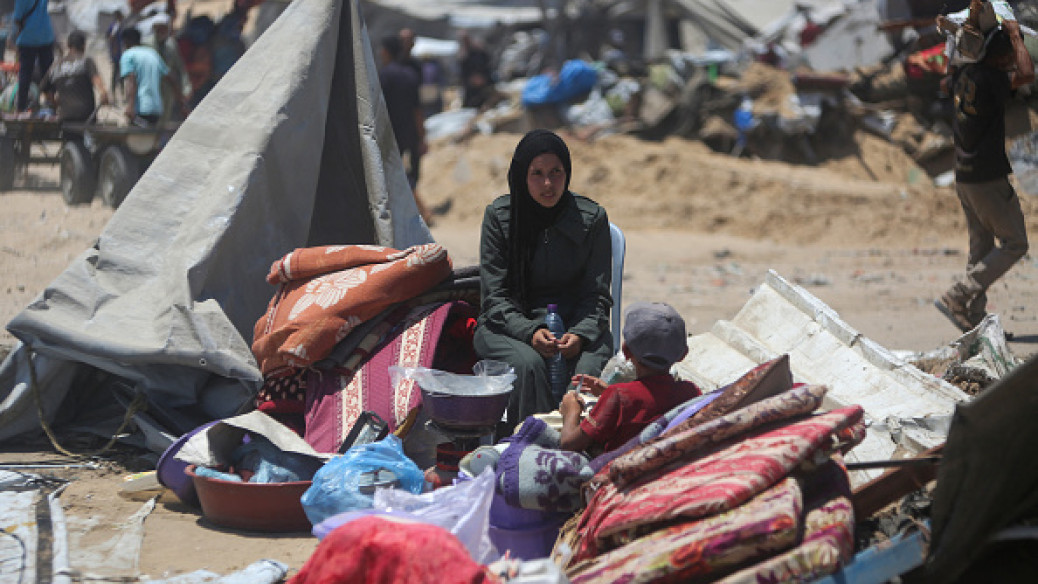
GAZA CITY — Doctors Without Borders (Médecins Sans Frontières, or MSF) has sounded the alarm over a massive surge in acute malnutrition across the Gaza Strip, calling the situation the worst the organization has ever seen in the territory.
In a statement released Friday, MSF reported that its teams are witnessing an “all-time high” in severe and moderate malnutrition cases, especially among pregnant women, breastfeeding mothers, and children in both northern and southern Gaza.
“The starvation of people in Gaza is intentional,” said Mohammed Abu Mughaisib, MSF’s deputy medical coordinator. “It can end tomorrow if the Israeli authorities allow food in at scale.”
At MSF's northern Gaza clinic, the number of patients receiving treatment for malnutrition jumped from 293 in May to 983 in early July — more than tripling in just weeks. In total, over 1,200 people are now enrolled in MSF’s feeding programs.
🚨 Food Blockades and Dangerous Aid Distribution
The crisis follows Israel’s blockade of food deliveries for over two months starting in March. Although limited aid was allowed in late May through a new U.S.- and Israel-backed mechanism called the Gaza Humanitarian Foundation (GHF), MSF and the United Nations have raised alarms over its inefficiency and militarization.
The UN reports that at least 615 Palestinians have been killed while trying to access food near GHF distribution points, many due to Israeli military fire. In total, 798 people have died seeking aid between late May and July 7.
⚠️ MSF: Gaza Is Being Starved by Design
MSF firmly placed blame on Israeli authorities, stating that the malnutrition crisis is not accidental but the result of “deliberate, calculated choices”:
Restricting large-scale food entry
Militarizing distribution zones
Destroying Gaza’s local food production
MSF staff report wounds that won’t heal due to protein deficiency, a spike in premature births, and cases of pregnant women weighing as little as 40 kg (88 lbs).
“This is the first time we’ve seen such widespread hunger,” said MSF doctor Joanne Perry. “Patients are begging for food rather than medicine.”
News You Should See
Vancouver Launches 12th Annual Korey’s Joy Drive to Support Local Families
Agassi Sports Entertainment Joins Sinclair and Tennis Channel to Expand Padel and Pickleball
Vizrt Completes Chyron Acquisition to Expand Global Broadcast Technology Capabilities
Anyma and Jean-Michel Jarre Announce Major Pyramids of Giza Concerts for 2027
Arsenal Women Strike First Against Barcelona in Champions League Showdown
New Egypt Group Backs Latin Social Organization’s Thanksgiving Food Drive in Bayonne
Latest News
Vancouver, Washington launches its 12th Korey’s Joy Drive, collecting toys, holiday gifts and winter supplies for families through local nonprofits.
Agassi Sports Entertainment partners with Sinclair and Tennis Channel to promote padel and pickleball through nationwide television and digital platforms.
Vizrt completes its acquisition of Chyron, combining broadcast graphics technologies to expand cloud production and real-time augmented reality solutions.
Anyma and Jean-Michel Jarre announce two electronic music performances at Egypt's Great Pyramids in spring 2027, with presale tickets starting November 18.
Arsenal Women take a 1-0 lead over Barcelona after Frida Maanum's 21st-minute goal in their 2026-27 UEFA Women's Champions League encounter.
New Egypt Group supports Latin Social Organization’s Thanksgiving Food Drive in Bayonne by contributing food supplies to help local families prepare for the holiday.
Shorter winter days can affect appetite, sleep and energy. A dietitian explains the biological reasons behind seasonal cravings and the importance of meal planning.
Medical leaders debate whether AI will improve diagnosis and healthcare delivery or weaken doctors' clinical skills through growing reliance on technology.
A study published in PNAS Nexus suggests that differences in immune cells may help explain variations in obesity and fat distribution between males and females.