France Ends Military Presence in Senegal After Nearly Two Centuries
France hands over final military bases to Senegal, signaling a major shift in its West African defense strategy while maintaining limited security cooperation.

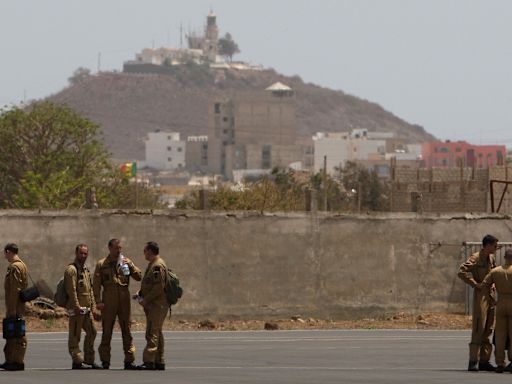
France has officially completed the handover of its last two military facilities in Senegal, ending an uninterrupted presence that dates back to the early 1800s, according to a July 17 report by Le Monde.
The move marks the conclusion of France’s forward military footprint in West and Central Africa, leaving its only permanent base on the African continent in Djibouti. While this withdrawal significantly reduces France's operational capacity in the region, it does not end its military cooperation with Senegal.
According to French and Senegalese officials, a limited number of French military instructors will remain at the Thies military academy, and Senegalese troops will continue receiving training in France. The two countries are also exploring joint initiatives in maritime security and cybersecurity, signaling continued defense ties.
This strategic shift follows a broader French review of its military posture in Africa, with troop drawdowns already completed in Mali, Niger, and Burkina Faso — where relations deteriorated sharply following a wave of military coups and anti-French sentiment between 2021 and 2023.
Senegal, under President Bassirou Diomaye Faye, announced in November 2024 the intention to terminate France’s permanent military presence, part of a broader sovereignist push and recalibration of foreign policy. However, unlike its neighbors, Senegal has maintained a more balanced relationship with France, avoiding a complete rupture.
As Senegal looks to diversify its international partnerships, including with China and potentially Russia, it continues to prioritize pragmatic diplomacy. The withdrawal of French forces could leave the region more vulnerable to escalating crises, as France is now less likely to lead regional interventions — except in cases involving the evacuation of European citizens.
The end of France’s physical presence in Senegal may be symbolic of a post-colonial transition in African security policy, but the ongoing cooperation shows that ties between Dakar and Paris are not severed — only redefined.
News You Should See
Vancouver Launches 12th Annual Korey’s Joy Drive to Support Local Families
Agassi Sports Entertainment Joins Sinclair and Tennis Channel to Expand Padel and Pickleball
Vizrt Completes Chyron Acquisition to Expand Global Broadcast Technology Capabilities
Anyma and Jean-Michel Jarre Announce Major Pyramids of Giza Concerts for 2027
Arsenal Women Strike First Against Barcelona in Champions League Showdown
New Egypt Group Backs Latin Social Organization’s Thanksgiving Food Drive in Bayonne
Latest News
Vancouver, Washington launches its 12th Korey’s Joy Drive, collecting toys, holiday gifts and winter supplies for families through local nonprofits.
Agassi Sports Entertainment partners with Sinclair and Tennis Channel to promote padel and pickleball through nationwide television and digital platforms.
Vizrt completes its acquisition of Chyron, combining broadcast graphics technologies to expand cloud production and real-time augmented reality solutions.
Anyma and Jean-Michel Jarre announce two electronic music performances at Egypt's Great Pyramids in spring 2027, with presale tickets starting November 18.
Arsenal Women take a 1-0 lead over Barcelona after Frida Maanum's 21st-minute goal in their 2026-27 UEFA Women's Champions League encounter.
New Egypt Group supports Latin Social Organization’s Thanksgiving Food Drive in Bayonne by contributing food supplies to help local families prepare for the holiday.
Shorter winter days can affect appetite, sleep and energy. A dietitian explains the biological reasons behind seasonal cravings and the importance of meal planning.
Medical leaders debate whether AI will improve diagnosis and healthcare delivery or weaken doctors' clinical skills through growing reliance on technology.
A study published in PNAS Nexus suggests that differences in immune cells may help explain variations in obesity and fat distribution between males and females.