Former Nigerian President Muhammadu Buhari Dies at 82 in London
The former military ruler and two-term civilian president passed away after a prolonged illness in London.

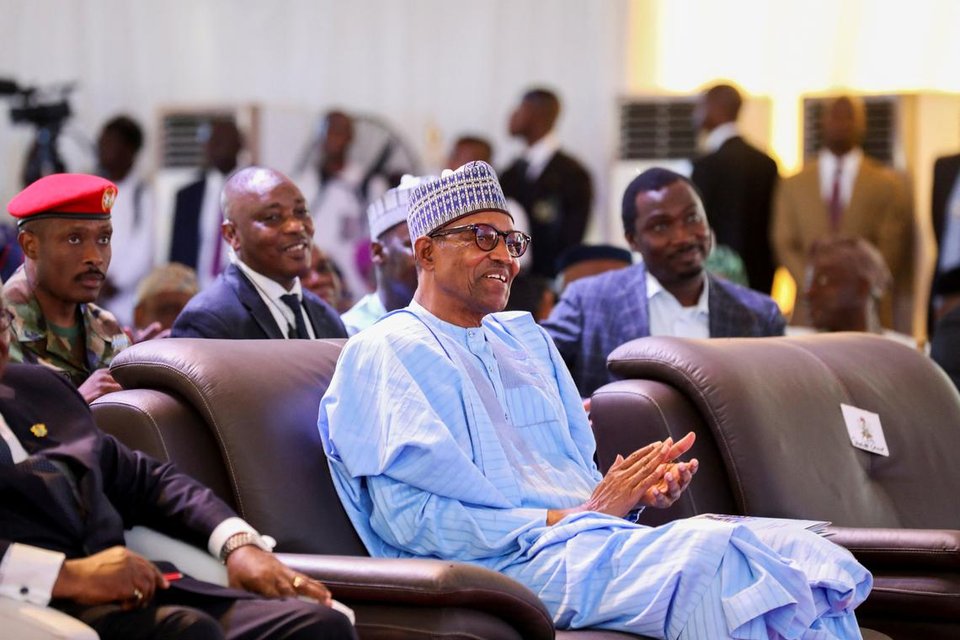
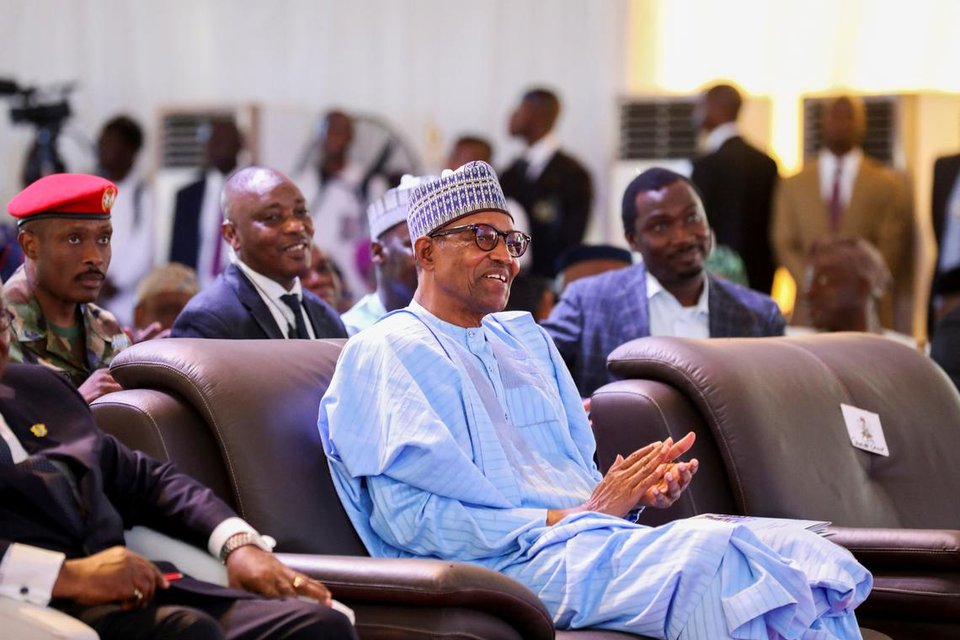
LAGOS — Nigeria’s former president, Muhammadu Buhari, has died at the age of 82 in London following a prolonged illness, according to a statement released by the presidential office on Sunday.
Buhari, who led Nigeria from 2015 to 2023, made history by becoming the first opposition candidate to defeat an incumbent president at the ballot box in the country’s modern history. A devout Muslim, he is expected to be buried according to Islamic rites in his hometown of Daura, Katsina State, after the body is returned from London by Vice President Kashim Shettima and the president's chief of staff.
Buhari first rose to power as a military ruler in the 1980s after leading a coup. Despite his authoritarian beginnings, he rebranded himself as a “converted democrat” and built a reputation around anti-corruption and discipline, famously declaring, “I belong to everybody and I belong to nobody.”
After winning the 2015 election against Goodluck Jonathan, many Nigerians hoped Buhari would combat rising insecurity and revamp the economy. However, his presidency was marred by widespread violence, economic downturns, and persistent health concerns that often took him abroad for medical treatment.
Mixed Legacy
While Buhari's anti-corruption campaign struck a chord with many, it failed to result in major convictions. His first term was dubbed “Baba Go Slow” due to his delayed cabinet appointments, and his economic policies—such as refusing to devalue the naira—mirrored the same nationalist strategies that failed during his military rule.
His administration faced growing unrest, particularly after the 2020 #EndSARS protests, where security forces were accused of firing on unarmed demonstrators protesting police brutality. The crackdown triggered some of Nigeria’s worst civil unrest in decades.
From Soldier to Statesman
Born on December 17, 1942, in northern Nigeria, Buhari joined the army at 19 and climbed the ranks to major-general. He seized power in 1983, promising reform and order, but was removed after 18 months by General Ibrahim Babangida.
In 1984, his regime was linked to a failed kidnap plot involving a former minister in exile in the UK—a scandal that tarnished his international image.
Despite setbacks, Buhari remained a prominent figure in Nigerian politics for decades, finally returning to power through the democratic process in 2015.
His administration invested in infrastructure, including roads, railways, dams, and airports, claiming these projects would lay the foundation for long-term economic stability.
News You Should See
Vancouver Launches 12th Annual Korey’s Joy Drive to Support Local Families
Agassi Sports Entertainment Joins Sinclair and Tennis Channel to Expand Padel and Pickleball
Vizrt Completes Chyron Acquisition to Expand Global Broadcast Technology Capabilities
Anyma and Jean-Michel Jarre Announce Major Pyramids of Giza Concerts for 2027
Arsenal Women Strike First Against Barcelona in Champions League Showdown
New Egypt Group Backs Latin Social Organization’s Thanksgiving Food Drive in Bayonne
Latest News
Vancouver, Washington launches its 12th Korey’s Joy Drive, collecting toys, holiday gifts and winter supplies for families through local nonprofits.
Agassi Sports Entertainment partners with Sinclair and Tennis Channel to promote padel and pickleball through nationwide television and digital platforms.
Vizrt completes its acquisition of Chyron, combining broadcast graphics technologies to expand cloud production and real-time augmented reality solutions.
Anyma and Jean-Michel Jarre announce two electronic music performances at Egypt's Great Pyramids in spring 2027, with presale tickets starting November 18.
Arsenal Women take a 1-0 lead over Barcelona after Frida Maanum's 21st-minute goal in their 2026-27 UEFA Women's Champions League encounter.
New Egypt Group supports Latin Social Organization’s Thanksgiving Food Drive in Bayonne by contributing food supplies to help local families prepare for the holiday.
Shorter winter days can affect appetite, sleep and energy. A dietitian explains the biological reasons behind seasonal cravings and the importance of meal planning.
Medical leaders debate whether AI will improve diagnosis and healthcare delivery or weaken doctors' clinical skills through growing reliance on technology.
A study published in PNAS Nexus suggests that differences in immune cells may help explain variations in obesity and fat distribution between males and females.