Forecasting Peak Mobility: How AAA Signals a Record Surge in Holiday Travel Behavior
AAA projections highlight unprecedented travel demand for the July 4 holiday, driven by evolving mobility patterns and post-pandemic leisure economics

AAA’s latest outlook for the July 4 holiday period signals a significant escalation in travel demand, positioning this season as one of the busiest mobility events in recent years. The forecast reflects a broader structural shift in consumer behavior, where leisure travel has regained strong momentum following periods of constrained movement.
From a demand perspective, the surge is not limited to one transport mode but spans road, air, and other travel channels, indicating a diversified mobility ecosystem rather than a single-mode rebound. This pattern highlights how travel planning has become more flexible, with households prioritizing experience-based spending even amid fluctuating economic conditions.
Economically, the anticipated record volume of travelers reflects the resilience of the leisure and tourism sector. Holiday periods such as July 4 function as high-intensity demand windows, where pricing dynamics, capacity utilization, and service optimization become central to industry performance. Transportation providers and hospitality operators typically adjust capacity and pricing strategies to maximize yield during these short peak cycles.
The forecast also underscores the importance of predictive analytics in modern travel planning. Organizations like AAA play a key role in shaping expectations for both consumers and service providers by analyzing historical patterns, booking trends, and behavioral indicators to estimate mobility flows during major holidays.
On a broader level, this surge reflects the growing integration of lifestyle economics into travel behavior, where mobility is no longer viewed purely as transportation but as part of a wider consumption experience. This shift continues to reshape infrastructure planning, airline scheduling, and road traffic management strategies.
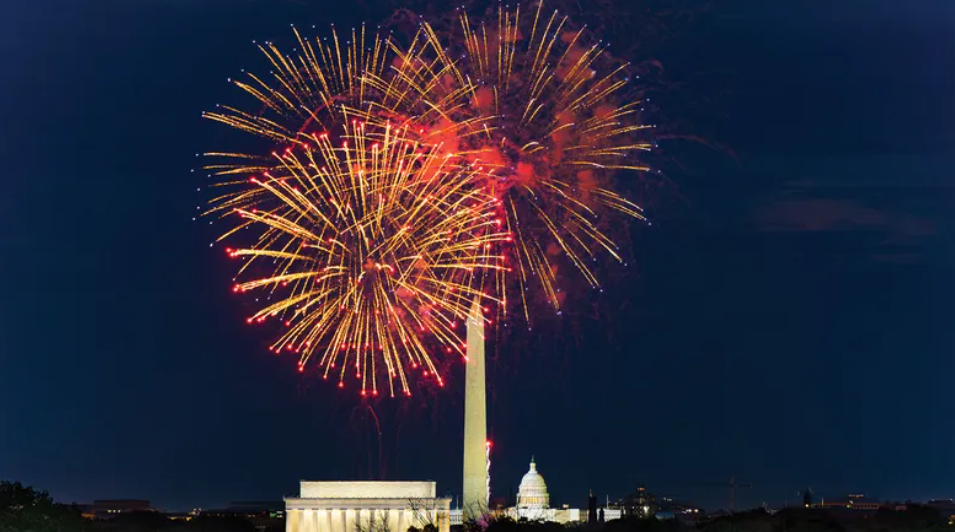
According to AAA projections, the July 4 holiday period is expected to reach record travel levels, reinforcing the continued strength of domestic leisure mobility in the United States .
News You Should See
P&G Raises Fiscal 2027 Cost Warning as Oil and Freight Expenses Threaten Profits
Chemical Tank Leak in Toledo Triggers Evacuations and Industrial Disruptions
Judge Sets December 11 Deadline for Trump Deposition in BBC Defamation Case
Iowa Senate Race Tests How Far Republicans Can Separate Themselves From Trump
California State Workers Strike Over Pay, Healthcare and Return-to-Office Rules
Streaming’s October Showdown: How Disney, Netflix and Major Entertainment Brands Compete for Audiences
Latest News
Procter & Gamble expects commodity, energy and transportation costs to reduce fiscal 2027 profit by $1.4 billion. Quarterly sales rose 4% to $23.28 billion, beating analyst expectations.
A ruptured chemical tank in Toledo, Ohio, prompted evacuations, school closures and an industrial shutdown. Authorities have reduced the restricted zone as the release slows and cleanup preparations continue.
A federal judge has ordered Donald Trump to give a deposition by December 11, 2026, in his $10 billion lawsuit against the BBC, with possible sanctions for noncompliance as the discovery deadline approaches.
Iowa’s 2026 Senate race pits Republican Ashley Hinson, balancing Trump support with economic concerns, against Democrat Josh Turek, who emphasizes bipartisanship amid rising campaign spending.
Thousands of California state workers struck on October 21 over a proposed three-year pay increase, healthcare costs and a four-day office attendance requirement as contract negotiations continued.
October 2026 brings major entertainment releases across Disney+, Netflix, HBO Max, Hulu, Prime Video and Peacock. Explore how familiar franchises, exclusive programming, new music and video games shape competition for streaming audiences.
Saudia advises travelers to book flights through Al Qassim Airport for Riyadh connections, offering free hourly shuttle buses in both directions until further notice.
An AP-NORC poll shows Democratic confidence in accurate vote counting falling to 55%, while Republican confidence rises to 38%, highlighting election integrity concerns ahead of the 2026 US midterms.
Donald Trump campaigns in North Carolina ahead of the November 2026 midterms as low approval ratings, rising fuel costs, Democratic early-voting gains and funding disparities challenge Republican efforts to retain control of Congress.