Fitness or CrossFit? Choosing the Right Training Strategy for Performance and Long-Term Health
Understanding the differences between traditional fitness and CrossFit helps individuals build sustainable exercise routines that match their goals, physical condition, and lifestyle.

Choosing between traditional fitness training and CrossFit has become an increasingly common decision for individuals seeking to improve their health, physical performance, or athletic abilities. While both approaches promote regular exercise and overall wellness, they differ significantly in training philosophy, workout structure, performance objectives, and long-term lifestyle integration.
Traditional fitness programs typically focus on individualized goals through structured exercise plans that emphasize cardiovascular health, muscle development, flexibility, weight management, or rehabilitation. Workouts are usually designed around progressive improvement, allowing participants to adjust intensity according to their experience, age, medical condition, and personal objectives. This flexibility makes conventional fitness accessible to beginners while supporting sustainable long-term participation.
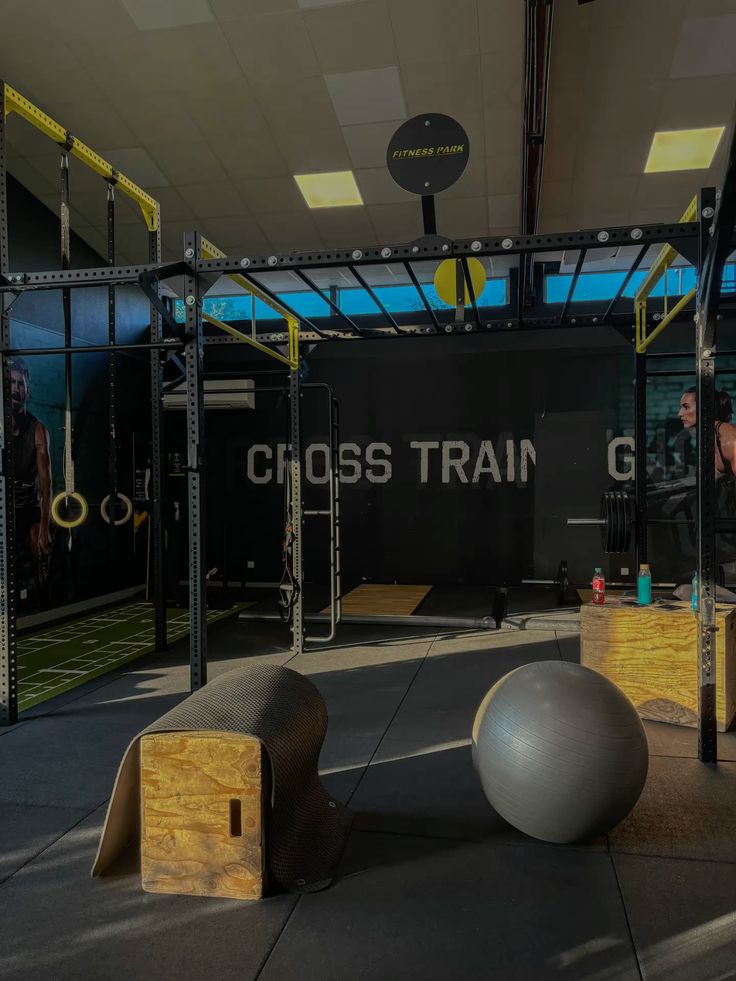
CrossFit, by contrast, is built around high-intensity functional training that combines elements of weightlifting, gymnastics, endurance exercise, and metabolic conditioning. Daily workouts—commonly known as "Workouts of the Day" (WODs)—challenge participants to complete varied movements within limited time frames, encouraging improvements in strength, power, endurance, speed, balance, agility, and coordination simultaneously.
From a training design perspective, the two systems represent different philosophies. Traditional fitness emphasizes specialization and gradual progression, allowing users to target specific muscle groups or health outcomes with carefully controlled workloads. CrossFit adopts a more integrated model, aiming to develop broad physical competence by exposing participants to constantly varied functional movements that mimic real-world physical demands.
Health professionals note that neither approach is universally superior. The most effective training method depends on an individual's physical condition, injury history, motivation, and long-term goals. People seeking general health improvement, weight management, or rehabilitation often benefit from structured fitness programs that prioritize consistency and gradual progression. Those pursuing competitive performance, functional strength, or high-intensity challenges may find CrossFit more engaging when performed under qualified supervision.
Safety remains a central consideration for both methods. Proper exercise technique, adequate recovery, appropriate training volume, and individualized programming significantly reduce injury risk regardless of workout style. Experts emphasize that excessive intensity without sufficient preparation or coaching may increase the likelihood of overuse injuries, particularly during complex lifting movements or repetitive high-impact exercises.
Nutrition also plays an essential role in maximizing training outcomes. Balanced meals rich in lean protein, complex carbohydrates, healthy fats, vitamins, and hydration support muscle recovery, energy production, and overall performance. Regardless of training preference, sustainable nutritional habits contribute substantially to long-term success.
Technology has further transformed both fitness models. Wearable devices, AI-powered coaching platforms, heart-rate monitoring systems, movement analysis software, and personalized training applications now enable athletes and recreational exercisers to track performance, optimize recovery, and make data-driven adjustments to their exercise routines. These innovations improve training precision while reducing unnecessary physical strain.
From an economic perspective, the global fitness industry continues expanding as consumers increasingly invest in preventive healthcare, wellness memberships, sports equipment, digital coaching services, and personalized exercise experiences. CrossFit affiliates, fitness centers, wellness platforms, and technology providers all compete within an ecosystem driven by growing awareness of healthy lifestyles and preventive medicine.
Brand identity also distinguishes the two approaches. Traditional fitness centers often emphasize accessibility, personalized coaching, and long-term wellness, appealing to a broad demographic. CrossFit has developed a distinctive community-oriented culture built around shared challenges, competitive motivation, and measurable performance improvements. This strong community identity has become one of the movement's most recognizable competitive advantages.
Ultimately, the decision between fitness training and CrossFit should be guided by personal objectives rather than trends. A well-designed exercise program is one that aligns with an individual's physical capabilities, medical needs, lifestyle, and long-term commitment. Whether through structured fitness or functional high-intensity training, consistent participation, evidence-based coaching, proper recovery, and balanced nutrition remain the foundation for achieving lasting health and sustainable physical performance.
News You Should See
2026 Nobel Medicine Prize Honors Scientists Behind Optogenetics Breakthrough
Oil Prices Edge Lower as Stronger Middle East Exports and G7 Reserves Ease Supply Concerns
Trump Offers U.S. Assistance to Russia After Death at Siberian Plague Research Institute
Trump Takes Economic Message to Nebraska as GOP Faces Rising Cost-of-Living Pressure
U.S. Appeals Court Weighs Trump Administration’s $2.6 Billion Harvard Funding Fight
U.S. Midterm Elections Begin With Resilient Jobs Market and Persistent Cost Pressures
Latest News
The 2026 Nobel Prize in Physiology or Medicine honors Karl Deisseroth, Peter Hegemann and Georg Nagel for pioneering research behind optogenetics and its impact on neuroscience.
Oil prices edged lower as stronger Middle Eastern exports and a planned G7 release of 100 million barrels eased immediate supply concerns, while Gulf security risks and the Strait of Hormuz kept markets alert.
President Donald Trump said the United States would help Russia if needed after a laboratory worker died at a Siberian plague research institute, as Russian authorities imposed precautionary quarantine measures.
Trump’s Nebraska campaign stop highlights rising fuel and grocery costs, beef prices and growing economic pressure on Republicans ahead of the November midterm elections.
A U.S. appeals court is reviewing the Trump administration’s effort to cut Harvard’s federal research funding, with more than $2.6 billion at stake.
The U.S. enters the 2026 midterm elections with unemployment at 4.2%, while higher living and energy costs create economic pressure for households and businesses.
US services growth eased in September as input prices climbed to their highest level since July 2022, with fuel costs, supply-chain disruptions and strong demand increasing pressure on businesses.
Rising Treasury yields are increasing U.S. borrowing costs as Washington manages record debt, persistent inflation and strong economic demand, narrowing its policy options.
A EGP 16 million corporate partnership will establish and equip a bone marrow transplant unit at Cairo’s Coptic Hospital, supporting access to specialized treatment for patients.