FDA Releases 2026 Food Code to Strengthen Food Safety Standards Across the U.S.
New FDA guidelines address food handling, employee illness policies, allergen controls, cooling procedures and emerging food safety risks across retail and foodservice operations.

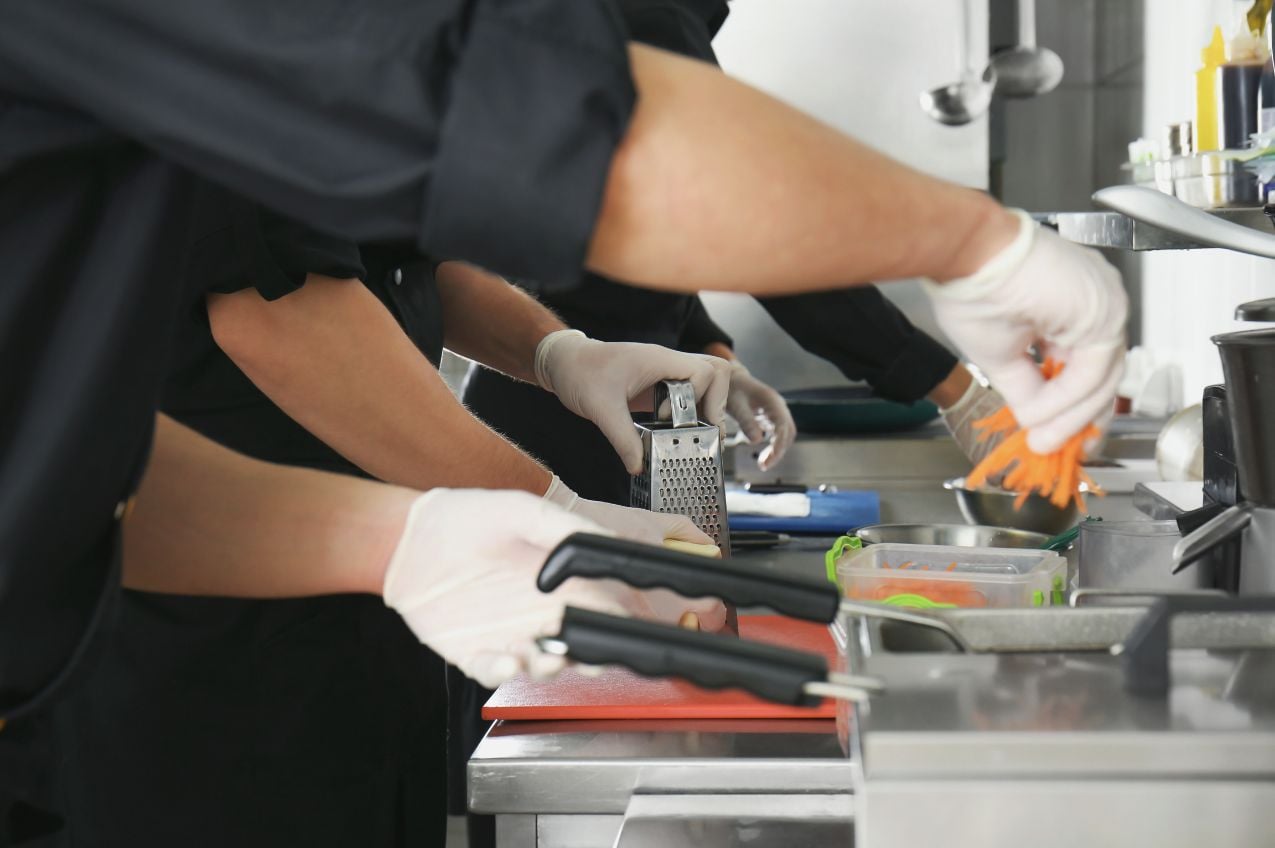
The U.S. Food and Drug Administration has released the 2026 edition of the FDA Food Code, introducing an updated framework designed to improve food safety practices across restaurants, retail food businesses and institutional foodservice operations.
The Food Code is not a federal mandate by itself. Instead, it serves as a model set of provisions that state, local, tribal and territorial authorities can adopt through their own laws, regulations and ordinances. Its influence is substantial because the jurisdictions using these standards oversee more than one million restaurants, retail food stores, vending operations and foodservice facilities in settings such as schools, hospitals, nursing homes and childcare centers.
The 2026 edition continues the FDA's biennial approach to updating the model code in response to developments in food safety science, regulatory practice and changes within the food industry. This makes the document relevant not only to regulators but also to businesses that must translate evolving safety expectations into daily operating procedures.
Among the most notable changes is a new requirement concerning written employee illness policies. Food establishments will be expected to maintain these policies and make them available, creating a clearer framework for managing employee health conditions that could present a foodborne illness risk.
The updated code also introduces an alternative cooling process for foods at retail. Cooling is a critical stage in food handling because improper temperature management can allow harmful microorganisms to multiply. Providing an alternative process within the model framework gives regulators and operators another structured method for managing this stage while maintaining food safety objectives.
Another update addresses double gloving under specific circumstances. The change illustrates the practical nature of the Food Code, which does not focus exclusively on broad public-health principles but also addresses operational procedures that employees and businesses encounter during food preparation and service.
The 2026 edition covers a wide range of additional issues. These include sanitizer temperatures, consumer advisories, changes to the definition of food establishments, a new definition for mobile food establishments, clarification concerning allergen cross-contact, food donations, specialty mushroom hazards, dehydration and freeze-drying, waste receptacles and vending machine controls.
The revisions also include updates to the inspection report form used for food establishments. Standardizing inspection documentation can help regulators communicate deficiencies more consistently and provide businesses with a clearer understanding of the areas being assessed.
For food businesses, the significance of the new code extends beyond regulatory compliance. Standardized food safety requirements can reduce operational uncertainty for companies working across multiple jurisdictions, particularly national and regional restaurant groups, food retailers and foodservice operators. Where jurisdictions adopt similar provisions, businesses can rely on more consistent procedures rather than developing substantially different safety systems for each market.
Uniform standards can also reduce duplication in the development of food safety requirements. Instead of individual jurisdictions independently creating detailed rules for similar risks, the model code provides a common technical foundation that can be adapted to local regulatory systems.
From a business-risk perspective, food safety standards have direct financial implications. Foodborne illness incidents can result in medical consequences for consumers as well as reputational damage, operational disruption, legal exposure and financial losses for businesses. A stronger preventive framework can therefore function as part of a company's broader risk-management strategy.
The updated approach is particularly relevant as foodservice and retail operations continue to diversify. Mobile food businesses, vending operations, food donation programs and specialized food preparation techniques create operational circumstances that may not always fit neatly within traditional restaurant models. The 2026 revisions attempt to address some of these evolving areas within a common regulatory framework.
Allergen management is another area with direct implications for both consumer protection and business operations. Clarifying allergen cross-contact provisions can help food establishments establish more consistent procedures for handling ingredients and preventing unintended exposure.
The Food Code was developed with input from regulatory officials, industry representatives, academic experts and consumers participating in the Conference for Food Protection's biennial meeting. The FDA also works with federal partners, including the U.S. Department of Agriculture's Food Safety and Inspection Service, the Centers for Disease Control and Prevention and the Environmental Protection Agency.
This collaborative structure is important because food safety is affected by multiple stages of the food system and requires coordination between scientific, regulatory and operational stakeholders. The resulting model is intended to provide a common basis for preventing foodborne illness and injury while addressing practical conditions faced by food establishments.
For regulators, widespread adoption of the 2026 edition could create a more standardized approach to inspections and audits. For businesses, greater consistency can make compliance programs easier to structure, train employees around and monitor across locations.
The economic implications also extend to consumer confidence. Food safety is closely connected to the reputation of restaurants, retailers and foodservice institutions. Establishments that consistently meet safety expectations can reduce the likelihood of incidents that undermine customer trust and create costly operational consequences.
The release of the 2026 Food Code therefore represents an update to a regulatory framework with broad practical reach rather than simply a technical revision. Its eventual impact will depend on how extensively state, local, tribal and territorial authorities adopt the provisions and how businesses incorporate them into their operating systems.
As jurisdictions begin evaluating the updated recommendations, the food industry will need to monitor the specific requirements adopted in each market. For businesses operating across several states or territories, understanding both the model code and local implementation will remain important for maintaining consistent food safety practices while meeting jurisdiction-specific obligations.
News You Should See
2026 Nobel Medicine Prize Honors Scientists Behind Optogenetics Breakthrough
Oil Prices Edge Lower as Stronger Middle East Exports and G7 Reserves Ease Supply Concerns
Trump Offers U.S. Assistance to Russia After Death at Siberian Plague Research Institute
Trump Takes Economic Message to Nebraska as GOP Faces Rising Cost-of-Living Pressure
U.S. Appeals Court Weighs Trump Administration’s $2.6 Billion Harvard Funding Fight
U.S. Midterm Elections Begin With Resilient Jobs Market and Persistent Cost Pressures
Latest News
The 2026 Nobel Prize in Physiology or Medicine honors Karl Deisseroth, Peter Hegemann and Georg Nagel for pioneering research behind optogenetics and its impact on neuroscience.
Oil prices edged lower as stronger Middle Eastern exports and a planned G7 release of 100 million barrels eased immediate supply concerns, while Gulf security risks and the Strait of Hormuz kept markets alert.
President Donald Trump said the United States would help Russia if needed after a laboratory worker died at a Siberian plague research institute, as Russian authorities imposed precautionary quarantine measures.
Trump’s Nebraska campaign stop highlights rising fuel and grocery costs, beef prices and growing economic pressure on Republicans ahead of the November midterm elections.
A U.S. appeals court is reviewing the Trump administration’s effort to cut Harvard’s federal research funding, with more than $2.6 billion at stake.
The U.S. enters the 2026 midterm elections with unemployment at 4.2%, while higher living and energy costs create economic pressure for households and businesses.
US services growth eased in September as input prices climbed to their highest level since July 2022, with fuel costs, supply-chain disruptions and strong demand increasing pressure on businesses.
Rising Treasury yields are increasing U.S. borrowing costs as Washington manages record debt, persistent inflation and strong economic demand, narrowing its policy options.
A EGP 16 million corporate partnership will establish and equip a bone marrow transplant unit at Cairo’s Coptic Hospital, supporting access to specialized treatment for patients.