FDA Advisers Back 2027 Flu Vaccine Strains as Manufacturers Prepare for Southern Hemisphere Demand
The unanimous recommendation keeps H1N1, H3N2 and influenza B in the trivalent formulation as manufacturers plan large-scale production and monitor disease trends.

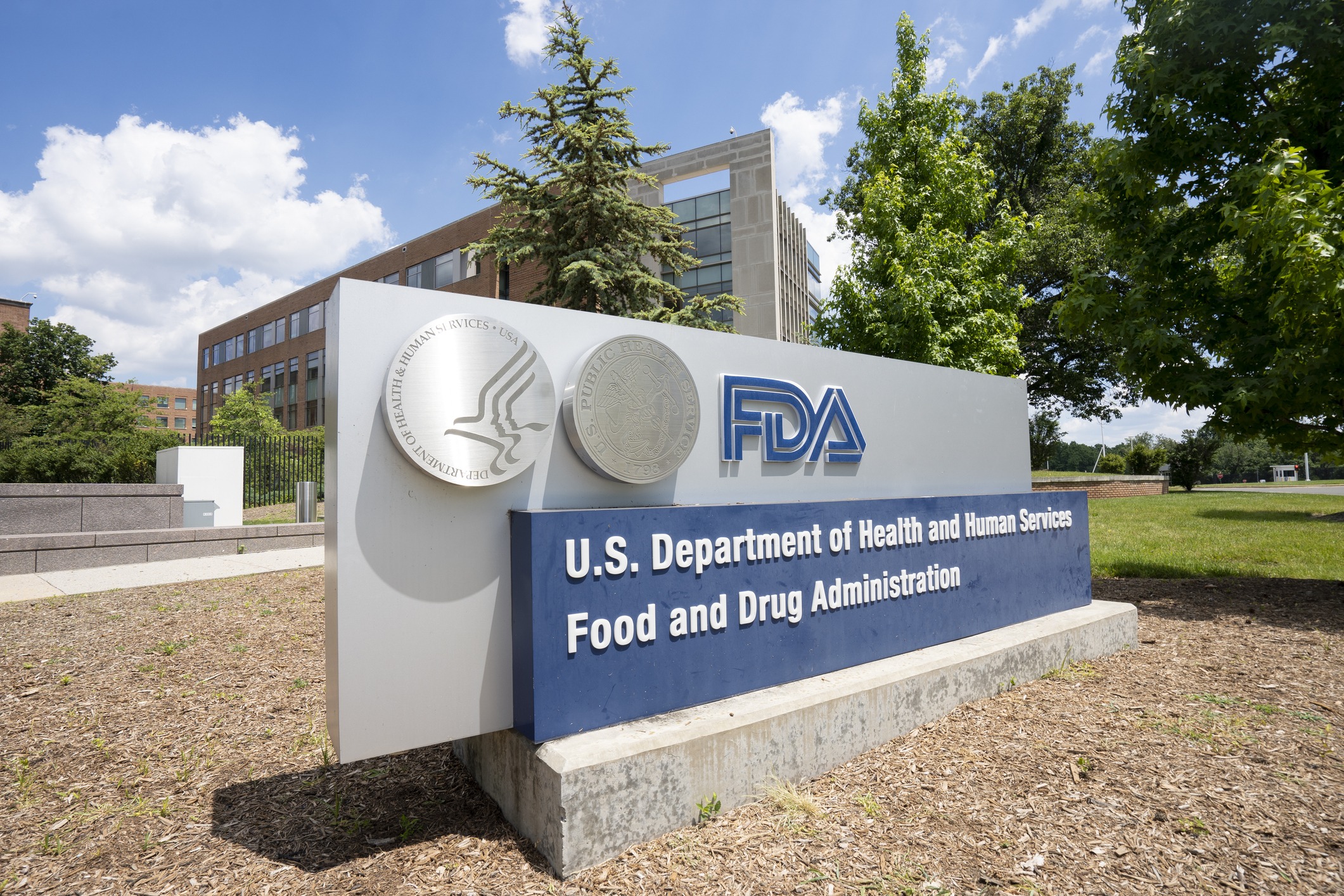
The U.S. Food and Drug Administration's latest influenza vaccine recommendation gives manufacturers an early framework for the 2027 Southern Hemisphere season, while also reflecting the broader challenge of keeping seasonal vaccines aligned with a virus that continues to circulate and evolve.
The Vaccines and Related Biological Products Advisory Committee voted unanimously, with all nine participating voting members supporting a trivalent, egg-based formulation containing H1N1, H3N2 and an influenza B strain. The recommendation is not legally binding on the FDA, although the agency generally follows the committee's advice. The decision also represents a return to a more conventional advisory process after the FDA selected strains for the 2025-2026 U.S. season without a committee vote because a scheduled meeting was canceled.
From a public-health perspective, the decision provides manufacturers with greater visibility as they prepare formulations for a market that operates on tightly managed production schedules. Influenza vaccines must be developed and manufactured ahead of the relevant season, making strain selection an important planning milestone for pharmaceutical companies and their supply chains.
The recommendation comes after a particularly significant 2025-2026 U.S. flu season. The Centers for Disease Control and Prevention estimated that the season produced between 32 million and 57 million illnesses based on preliminary data through May 23. By September 18, however, current seasonal influenza activity in the United States was described as low, with 31,363 laboratory-confirmed influenza-associated hospitalizations reported.
That contrast illustrates the commercial and operational difficulty facing vaccine manufacturers. Demand for influenza vaccines is highly seasonal, but production decisions must be made before the full trajectory of the next outbreak is known. Companies therefore have to balance public-health requirements, manufacturing capacity and the risk that circulating viruses could change after formulations are established.
The scale of the U.S. market adds another dimension. Vaccine manufacturers expect to produce as many as 135 million doses for the U.S. market for the 2026-2027 season, according to the CDC. The figure underscores the industrial infrastructure required to supply influenza vaccination programs and highlights the importance of maintaining manufacturing readiness even when disease activity is temporarily subdued.
Sanofi and CSL Seqirus are among the companies approved to produce Southern Hemisphere formulations in the United States, with their Fluzone and Afluria vaccines respectively. For manufacturers operating in this market, regulatory recommendations are therefore more than a scientific checkpoint. They are also part of the timetable governing formulation, production, distribution and commercial planning.
The decision to retain the same three broad strain categories used for the Northern Hemisphere formulation also points to continuity in the current vaccine strategy. Epidemiologist Arnold Monto said the committee's assessment indicated that there had not been major changes from the earlier Northern Hemisphere strain selection.
That continuity may reduce uncertainty for manufacturers, but it does not eliminate the need for surveillance. Influenza viruses circulate throughout the year, and U.S. activity typically reaches its highest levels between December and February. Experts continue to monitor early indicators of unusual strain behavior and mutations, particularly after a season that may have affected population immunity through widespread infection or differences between circulating viruses and previous vaccine formulations.
For pharmaceutical companies, the influenza market is consequently shaped by a combination of regulatory science, epidemiological surveillance and production economics. A stable recommendation can support more predictable manufacturing plans, while an unexpected shift in viral behavior can increase pressure on research, supply chains and vaccination campaigns.
The FDA advisers' vote also reinforces the importance of institutional confidence in the vaccine-development process. By providing manufacturers with a formal recommendation ahead of the Southern Hemisphere season, the regulatory system creates a clearer link between surveillance data, scientific review and industrial production.
The next phase will depend on how influenza activity develops and whether the selected strains remain appropriate as the 2027 season approaches. For manufacturers and public-health authorities, the objective is not simply to produce vaccines at scale, but to maintain a formulation strategy capable of responding to a virus whose seasonal pattern remains predictable in broad terms while its specific behavior can change from year to year.
News You Should See
2026 Nobel Medicine Prize Honors Scientists Behind Optogenetics Breakthrough
Oil Prices Edge Lower as Stronger Middle East Exports and G7 Reserves Ease Supply Concerns
Trump Offers U.S. Assistance to Russia After Death at Siberian Plague Research Institute
Trump Takes Economic Message to Nebraska as GOP Faces Rising Cost-of-Living Pressure
U.S. Appeals Court Weighs Trump Administration’s $2.6 Billion Harvard Funding Fight
U.S. Midterm Elections Begin With Resilient Jobs Market and Persistent Cost Pressures
Latest News
The 2026 Nobel Prize in Physiology or Medicine honors Karl Deisseroth, Peter Hegemann and Georg Nagel for pioneering research behind optogenetics and its impact on neuroscience.
Oil prices edged lower as stronger Middle Eastern exports and a planned G7 release of 100 million barrels eased immediate supply concerns, while Gulf security risks and the Strait of Hormuz kept markets alert.
President Donald Trump said the United States would help Russia if needed after a laboratory worker died at a Siberian plague research institute, as Russian authorities imposed precautionary quarantine measures.
Trump’s Nebraska campaign stop highlights rising fuel and grocery costs, beef prices and growing economic pressure on Republicans ahead of the November midterm elections.
A U.S. appeals court is reviewing the Trump administration’s effort to cut Harvard’s federal research funding, with more than $2.6 billion at stake.
The U.S. enters the 2026 midterm elections with unemployment at 4.2%, while higher living and energy costs create economic pressure for households and businesses.
US services growth eased in September as input prices climbed to their highest level since July 2022, with fuel costs, supply-chain disruptions and strong demand increasing pressure on businesses.
Rising Treasury yields are increasing U.S. borrowing costs as Washington manages record debt, persistent inflation and strong economic demand, narrowing its policy options.
A EGP 16 million corporate partnership will establish and equip a bone marrow transplant unit at Cairo’s Coptic Hospital, supporting access to specialized treatment for patients.