EU’s 2040 Climate Plan Sparks Debate Over Use of Foreign Carbon Credits
For the first time, the EU plans to count international carbon credits toward its emissions goal — a move criticized by scientists and environmentalists.

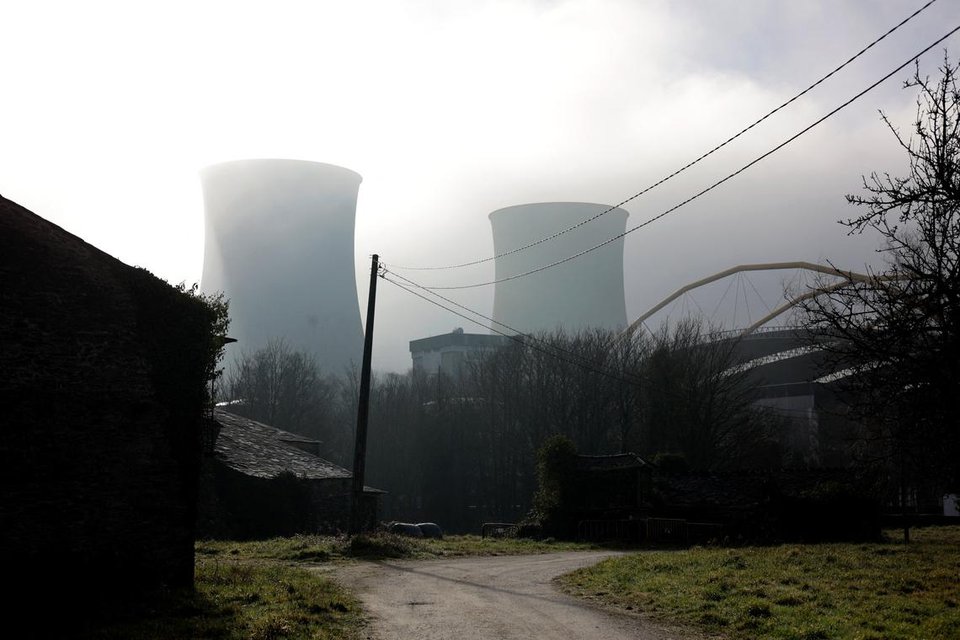
BRUSSELS — The European Union’s proposed 2040 climate target has stirred debate after introducing a controversial new mechanism: allowing member states to count foreign carbon credits toward their own emission reduction goals.
Unveiled by the European Commission on July 2, the policy would permit up to 3% of the EU’s 90% emissions cut — relative to 1990 levels — to come from carbon offset projects in developing countries, such as reforestation or green transport initiatives.
This marks the first time the EU has included international carbon credits in its official climate goals — a move the Commission says offers flexibility amid economic and political pressures across the bloc.
🌿 What Are Carbon Credits?
Carbon credits, or offsets, are units purchased by governments or companies to compensate for their emissions by financing climate projects elsewhere. For example, a country might invest in a solar power project in India or forest protection in Brazil, then count those reductions toward its own climate targets.
Proponents argue that these credits fund critical green projects in developing nations and facilitate global cooperation on climate goals.
But critics — including scientists, watchdog groups, and green activists — say the system is vulnerable to abuse and often fails to deliver real, verifiable emission cuts. Many carbon credit schemes have been accused of low environmental integrity and greenwashing.
🌍 Why Now?
The EU’s 2040 target originally focused on domestic emission cuts only. But as industries lobby for softer targets and some governments (notably Germany and Poland) express economic concerns, the Commission introduced credits as a compromise to maintain ambition while reducing domestic pressure.
“This allows us to retain the 90% goal while offering needed flexibility,” a senior EU official said.
The plan still requires approval from EU countries and the European Parliament, with negotiations expected to be contentious.
⚠️ Why It’s Controversial
While Germany and carbon market developers welcomed the move, climate campaigners accused Brussels of dodging hard domestic action.
“The EU risks exporting its responsibility,” said one environmental group.
The European Scientific Advisory Board on Climate Change had previously warned against such reliance, saying it could divert funding away from green industry within the EU and undermine real emissions cuts.
The EU has past experience with carbon market abuse. It banned international credits from its carbon trading system after an influx of cheap, low-quality offsets led to a price collapse and questionable climate benefits.
📜 What’s Being Done to Prevent Abuse?
To address integrity concerns, the Commission said:
It will only accept credits that meet UN quality standards, currently under development.
It will publish detailed rules and safeguards in 2026 for which types of credits are eligible.
It will avoid low-cost, low-quality offsets that flood the voluntary carbon market.
“The credits we currently see on the market are too cheap and lack high environmental integrity,” said a Commission official.
💶 What Will It Cost?
The cost of these credits varies widely — from a few dollars to over $100 per tonne of CO₂. To cover the 3% offset limit, the EU would need to purchase about 140 million tonnes of CO₂ credits, roughly equal to the Netherlands’ total emissions in 2024.
The Commission has not yet estimated the total financial impact.
News You Should See
Five Tama County Towns Launch Joint Downtown Revitalization Initiative
Columbus North Students Present Shakespeare’s As You Like It This Weekend
Northeast Ohio Students Rally for Hearing Care Through Charity Volleyball Event
Evanston Arts Council Celebrates Local Talent at Annual Bright Night Event
NBA Cup Group Stage Features High-Stakes Knicks-Pacers and Cavaliers-Heat Showdowns
New Jersey Devils Overcome Capitals With Three-Goal Third-Period Surge
Latest News
Five Tama County communities begin a downtown assessment program focused on storefront upgrades, pedestrian accessibility, and local economic growth.
Columbus North High School drama students stage William Shakespeare’s As You Like It at Judson Erne Auditorium in a weekend theatrical production.
Youngstown State students host the annual Hits for Hearing volleyball fundraiser, supporting access to hearing aids and auditory care across the Mahoning Valley.
Evanston Arts Council celebrates local artists, performers and cultural grant recipients at its annual Bright Night for the Arts event.
The NBA Cup group stage continues November 13 with Knicks-Pacers and Cavaliers-Heat leading a nine-game schedule across the league.
New Jersey Devils defeat Washington Capitals 5-2 after scoring three unanswered third-period goals to secure their 14th NHL win of the season.
Healthcare investments in Asia and the Middle East are transforming hospital rankings through advanced technology, medical tourism and expanded specialist services.
Look-alike contests inspired by Elizabeth Holmes are spreading across American cities, combining entertainment, viral marketing and growing interest in the documentary about the Theranos founder.
A University of Virginia mouse study identifies CASS4's role in brain immune cells and its potential importance in limiting Alzheimer's-related damage.