Europe’s Increasing Border Controls Threaten Schengen’s Free Movement and Economic Unity
Rising internal border checks fueled by migration fears disrupt business, travel, and trust among EU states

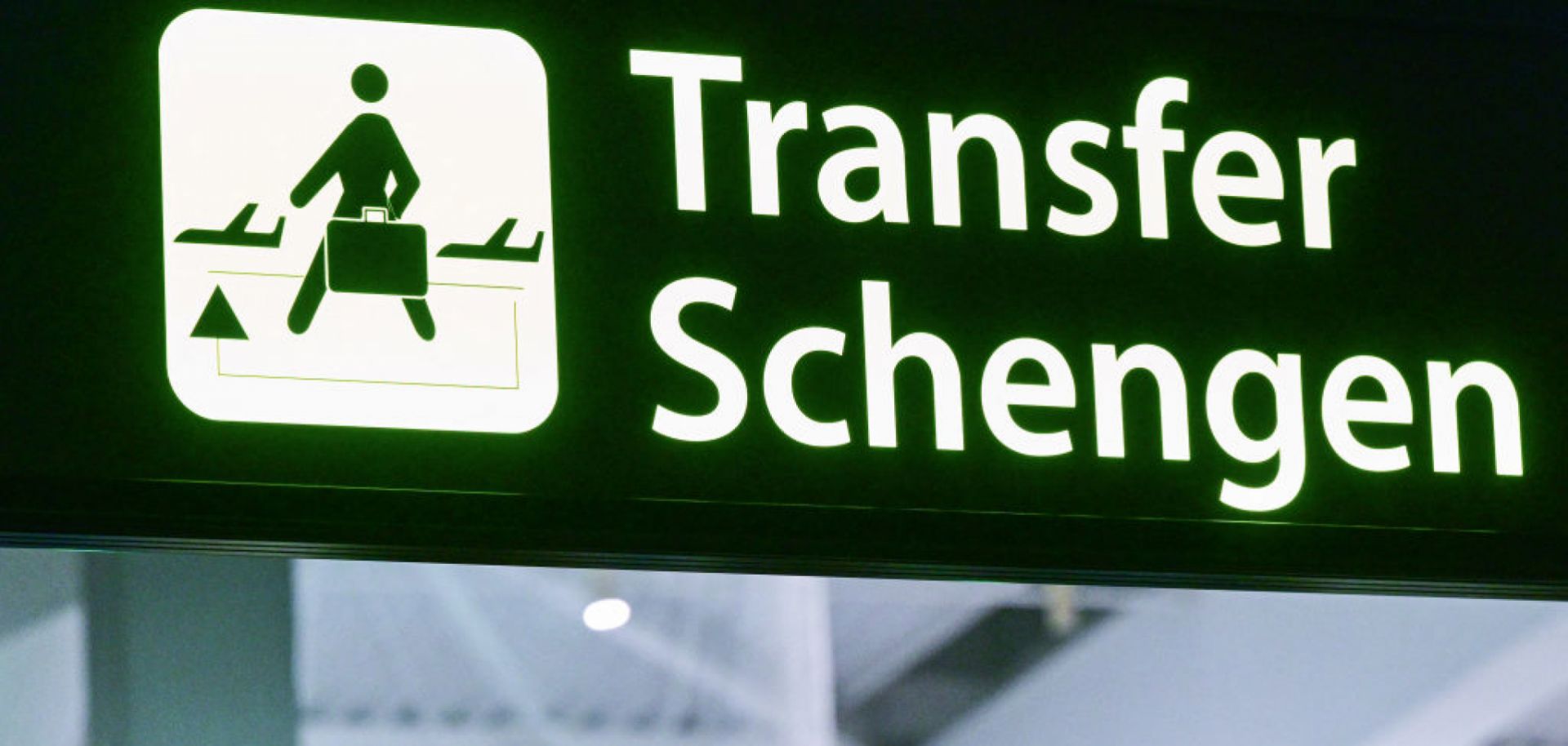
Europe’s Rising Border Controls Threaten Schengen’s Free Movement and Economic Integration
Europe’s growing internal border controls driven by immigration concerns are creating uncertainty for businesses and travelers, straining the Schengen Area’s free movement principles. On July 7, Poland reinstated border checks with Germany and Lithuania, citing Germany’s pushback of irregular migrants and attempts to block arrivals from Belarus.
Since German Chancellor Friedrich Merz took office in May, Germany has tightened asylum policies, rejecting more irregular migrants at its borders. Despite Polish accusations that Germany is pushing hundreds of asylum seekers back, official German data shows rejected asylum seekers at the Polish border have slightly declined in 2025. Many migrants enter Poland from Belarus, which the EU accuses of orchestrating a migrant flow as part of hybrid warfare alongside Russia’s invasion of Ukraine.
The Schengen Agreement, signed in 1985, removed internal border controls among 25 EU states plus Iceland, Norway, Liechtenstein, and Switzerland to boost free movement of people and goods. While it allows temporary border checks during emergencies, these are supposed to last no longer than six months. However, recent years have seen frequent and prolonged reintroductions, often for political reasons amid rising migration pressures.
As of July 2025, a third of Schengen countries—including Germany, France, Italy, and Sweden—have reintroduced border controls, citing migration and security concerns. Several states have repeatedly extended controls for years, undermining Schengen’s spirit. Meanwhile, EU border agency Frontex reported a 20% drop in irregular migrant arrivals during the first five months of 2025 compared to 2024.
Migration remains a top concern for EU citizens, ranking third behind security and the economy. Though Schengen’s full dismantling is unlikely, open borders are becoming a distant prospect, forcing travelers and companies to adapt to ongoing unpredictability. While economic impacts have so far been modest, sectors relying on just-in-time deliveries—like manufacturing and food—face risks from delays and border checks.
Frequent and long-lasting unilateral controls erode mutual trust among member states, a cornerstone of European integration. For border communities, the disruptions impact work, education, and trade. Studies estimate that fully reintroducing border controls could reduce EU GDP by up to €110 billion over a decade (0.3% annually). Business groups warn that border checks hurt supply chains and regional economies.
Unless migration pressures ease and political cooperation improves, Schengen’s border controls are likely to remain a persistent challenge, threatening the bloc’s economic cohesion and freedom of movement.
News You Should See
Thanksgiving Storm Threatens Major US East Coast Travel Routes With Flooding and 60 MPH Winds
Manchester City Prepare for Tactical Battle Against Napoli in Champions League
Arsenal Face Borussia Dortmund in High-Stakes Champions League Test
The Hunger Games: Sunrise on the Reaping Delivers $225 Million Global Box Office Debut
US Data Centers Consume as Much Electricity as Michigan, Harvard Study Reveals
AI Enables a 12,000-Pound John Deere Loader to Perform Two-Wheel Stunts
Latest News
A developing Thanksgiving storm threatens the US East Coast with heavy rain, coastal flooding and wind gusts of up to 60 mph, raising concerns about airport operations, road travel and holiday transportation in major cities.
Manchester City host Napoli in a key Champions League clash, with Haaland, Foden and Cherki expected to lead the English side's attacking efforts.
Arsenal prepare to host Borussia Dortmund in a crucial Champions League clash, with injuries and tactical decisions potentially shaping the outcome.
The Hunger Games: Sunrise on the Reaping earns $225 million worldwide in its opening weekend, strengthening the franchise's box-office position.
Harvard research estimates that 403 US hyperscale data centers consume up to 99 terawatt-hours annually, raising concerns about AI's environmental impact.
Researchers train a 12,000-pound John Deere 332G loader using AI and reinforcement learning to balance on two wheels and perform controlled movements.
Kodak introduces SlideTag, a $34.99 digital photo accessory featuring a 1.54-inch E Ink screen, photo storage, and Bluetooth tracking support.
Samsung may skip next year's Galaxy Watch launch after disappointing sales expectations, potentially shifting to a two-year release cycle while prioritizing software improvements.
Barcelona come from two goals down to beat Villarreal 3-2 at Camp Nou, with Gerard Martín, Fermín López, and Pau Navarro's own goal securing victory.