European Leaders Urge New Iran Policy, Back Democratic Opposition and Reject Monarchy
Former European officials and parliamentarians gathered near Paris to call for an Iranian-led democratic transition, stronger human rights measures and greater international engagement with organized opposition groups.

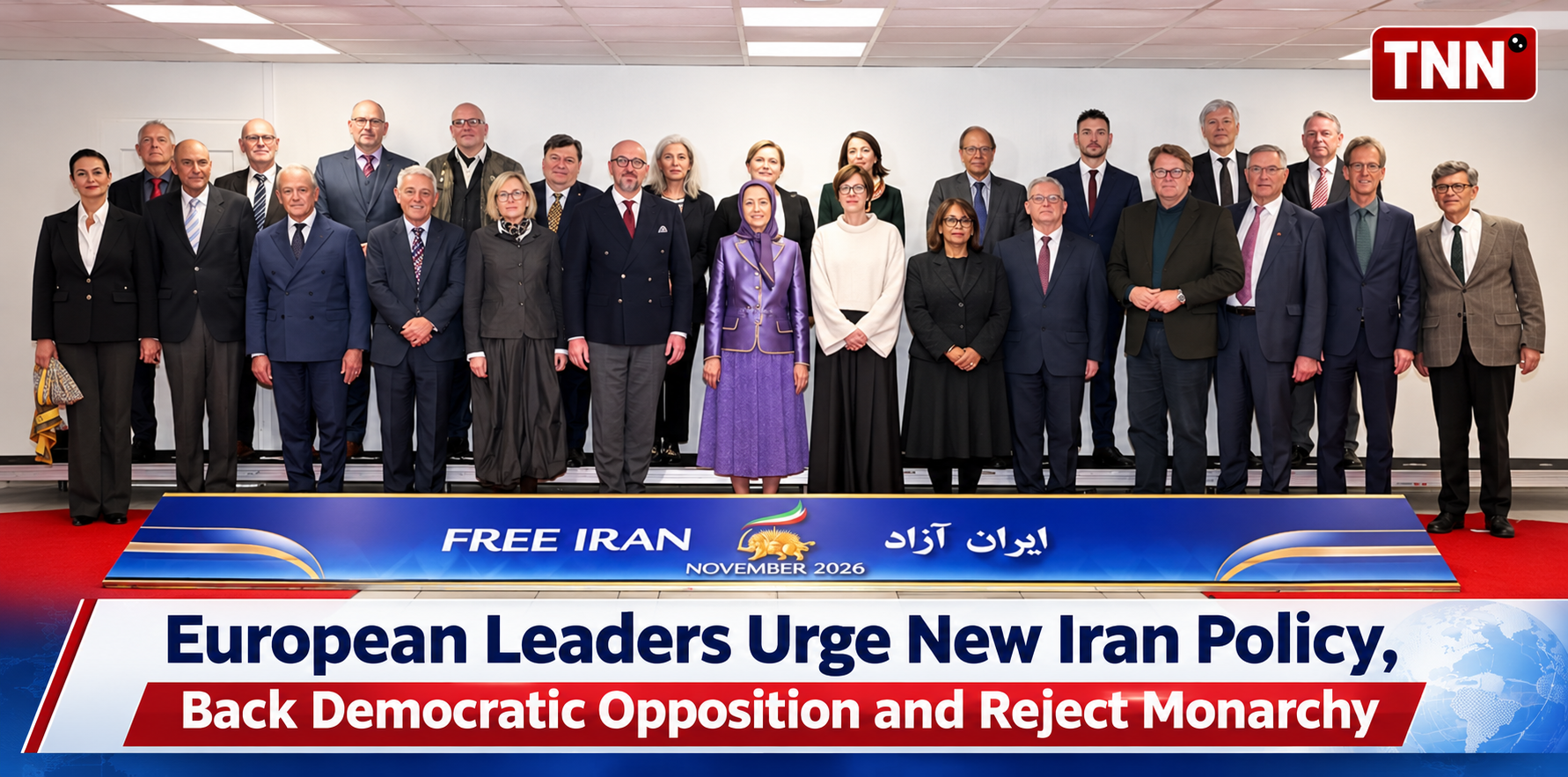
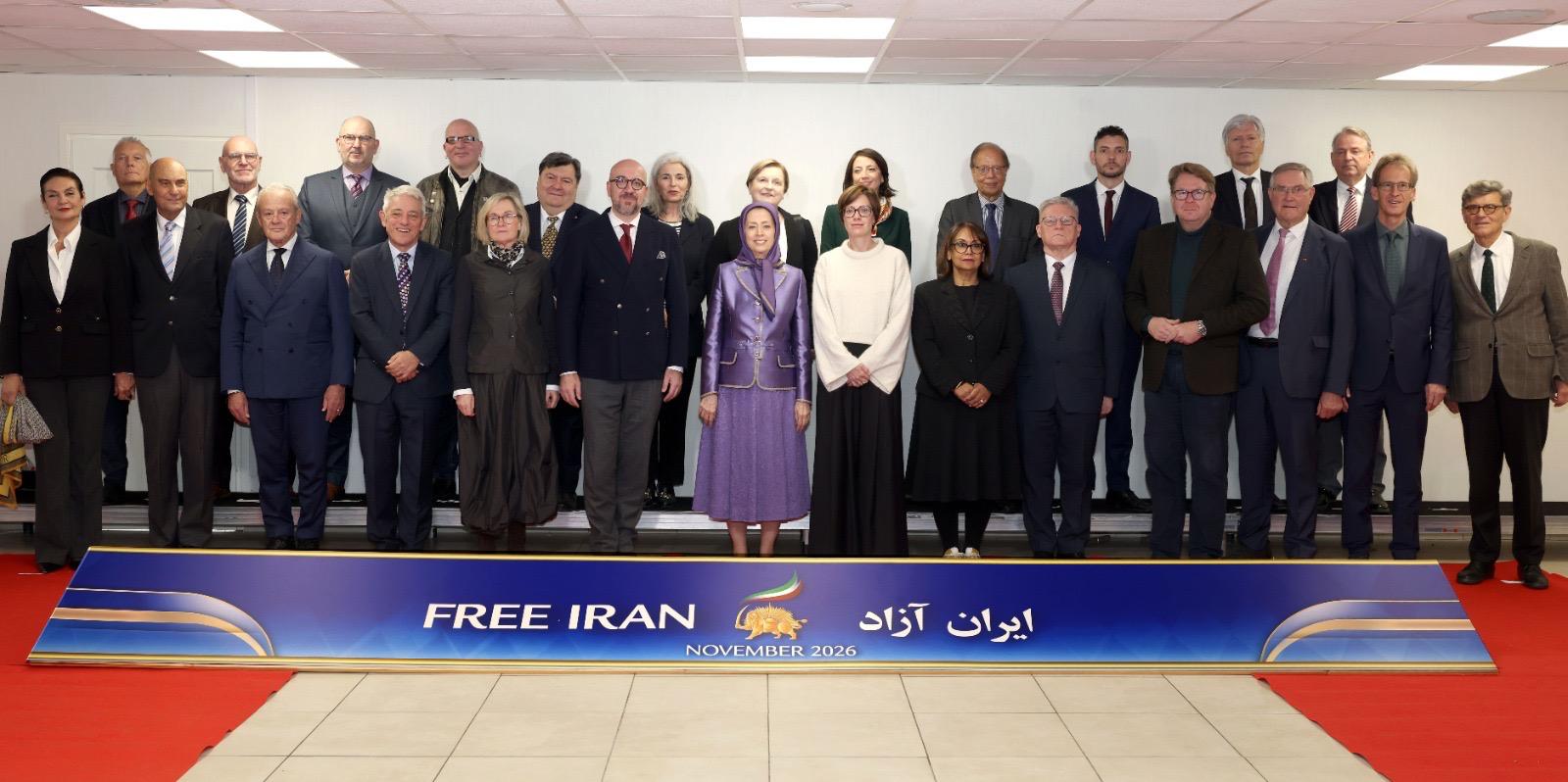
PARIS, FRANCE — Prominent former European leaders, senior officials and parliamentarians have called for a major shift in Western policy toward Iran, expressing support for an Iranian-led political transition while rejecting foreign military intervention, diplomatic appeasement and the restoration of the former monarchy.
The calls came during an international conference held near Paris on November 21, marking the seventh anniversary of Iran’s November 2019 uprising. The gathering, titled “The Third Option: Overthrow by the Iranian People and Resistance,” brought together political figures from Belgium, Britain, Germany, Poland, Italy, Lithuania and Norway.
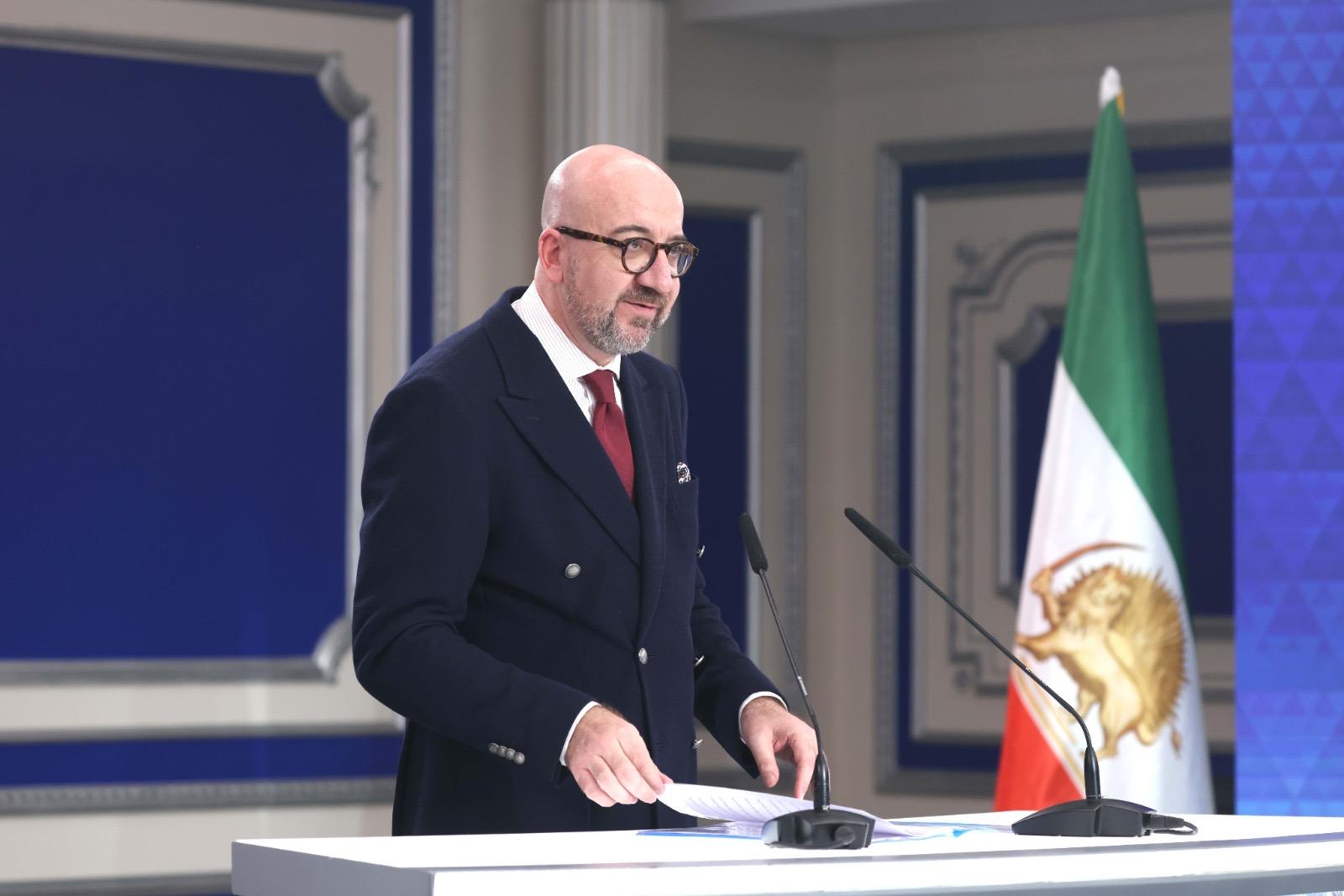
Former European Council President Charles Michel argued that decades of Western engagement with Tehran had failed to deliver democratic reforms, saying that neither negotiations nor military confrontation had resolved Iran’s political crisis.
“We tried appeasement, we got more oppression,” Michel told the conference, according to the conference account.
Michel rejected the prospect of restoring the monarchy under Reza Pahlavi, son of Iran’s former Shah, and called for greater international recognition of Iranian-led democratic change.
“The people of Iran do not need a would-be king; they need democracy,” he declared.
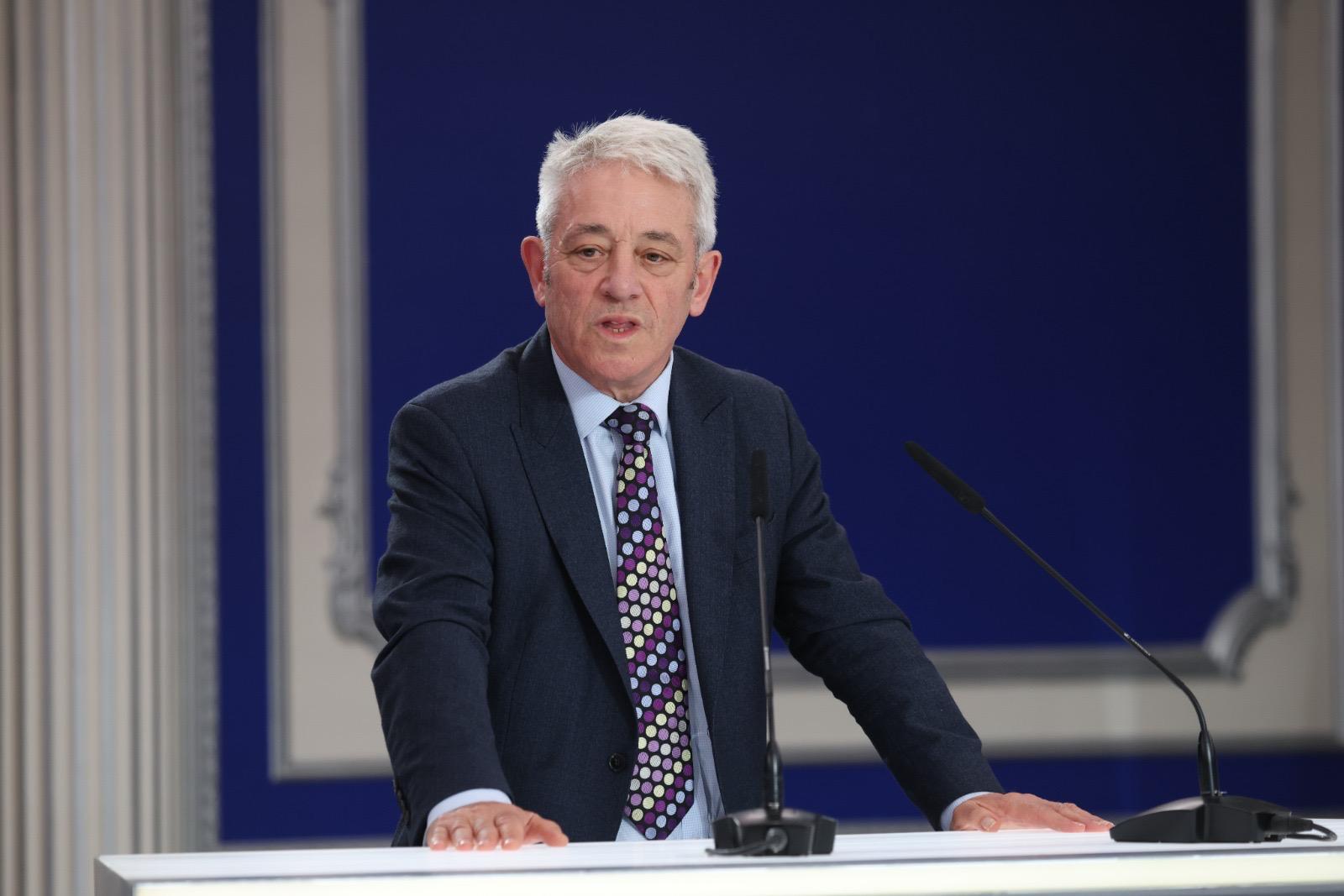
Former British House of Commons Speaker John Bercow echoed that position, arguing that political legitimacy should come through democratic elections rather than hereditary succession or religious authority.
Bercow also expressed support for the National Council of Resistance of Iran (NCRI) and its proposed political framework, emphasizing freedom of expression, gender equality, the separation of religion and state, and the abolition of the death penalty.
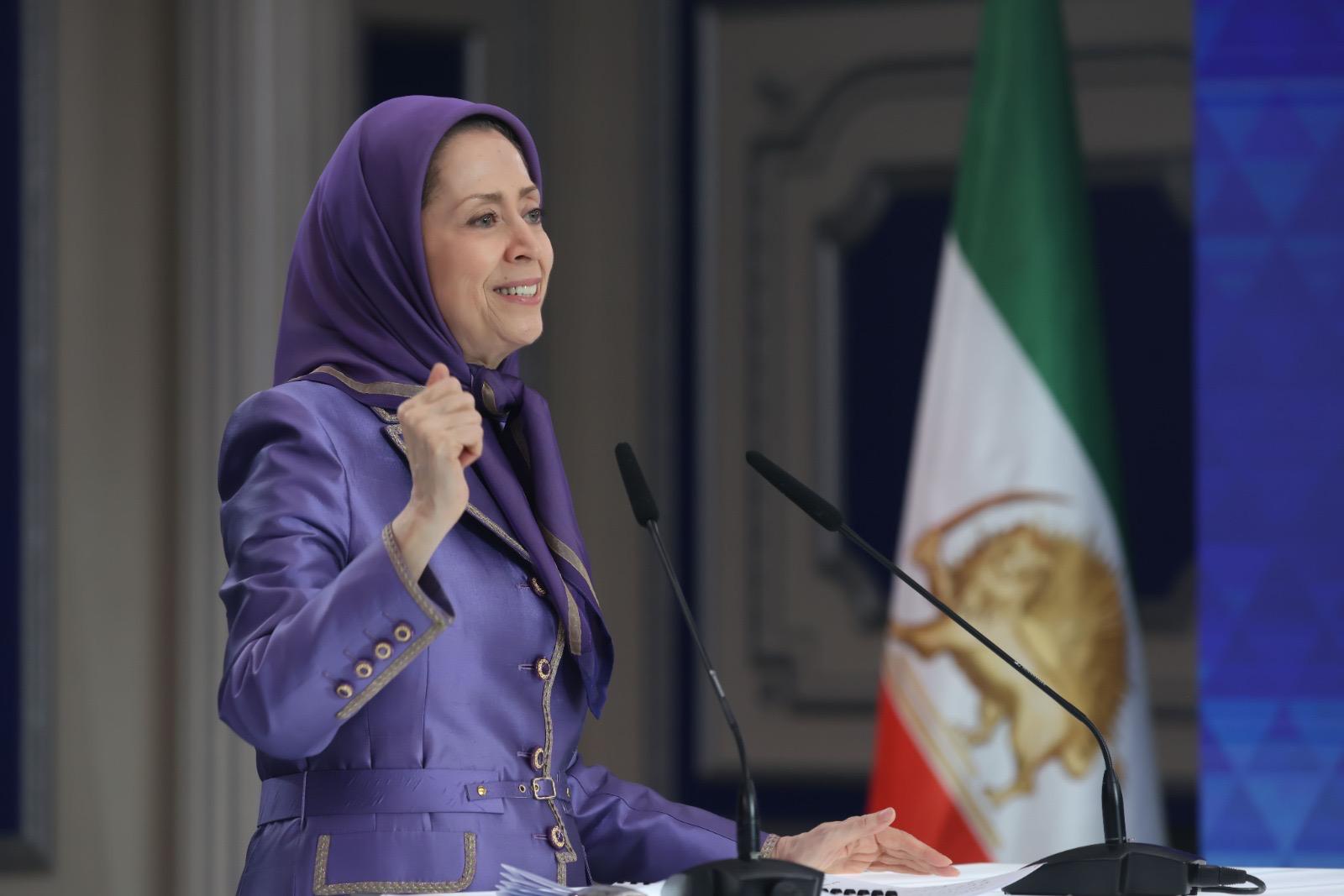
Maryam Rajavi, president-elect of the NCRI, delivered the keynote address, arguing that Iran’s most significant political challenge came from domestic opposition rather than pressure from foreign governments.
Rajavi called on European states to increase pressure on Tehran over executions and political imprisonment, take stronger measures against the Islamic Revolutionary Guard Corps (IRGC), and engage with organized Iranian opposition groups.
She reiterated her organization’s proposal for a secular democratic republic, free elections, equal rights for women and minorities, and a non-nuclear Iran.
Former German Defense Minister Franz Josef Jung called for European support for Rajavi’s Ten-Point Plan, while former Polish Foreign Minister Anna Fotyga compared Iran’s organized opposition with Poland’s historical Solidarity movement.
Other participants, including former European Commission Vice President Mairead McGuinness, stressed that ending the existing political system would not automatically guarantee democracy. They emphasized the need for independent courts, parliamentary accountability, free media and institutions capable of preventing another authoritarian government.
British parliamentarians Baroness Verma and Lord Steve McCabe urged stronger international accountability for human rights violations and greater engagement with the NCRI.
The conference also highlighted the case of Mohammad Javad Vafaei Sani, an Iranian political prisoner facing execution who was identified by organizers as a recipient of a 2026 Magnitsky Human Rights Award.
Participants urged European governments to intensify diplomatic pressure over political executions and the treatment of prisoners.
Former German ambassador Hans-Ulrich Seidt argued that spontaneous demonstrations alone were unlikely to produce a stable democratic transition without political organization, leadership and a coherent governing program.
Throughout the gathering, speakers presented the NCRI and the People’s Mojahedin Organization of Iran (PMOI/MEK) as an organized alternative to the current authorities. Their assessment remains contested within Iran’s broader and politically diverse opposition.
The conference concluded with calls for stronger European engagement with Iranian opposition organizations, additional human rights measures against Tehran and greater international attention to the country’s political future.
Although the gathering brought together prominent European political figures, their statements represented individual political positions rather than an official change in European Union policy.
News You Should See
Queens Celebrates Arts, Music and Family Activities with Diverse Weekend Events
Hollywood Faces New AI Debate as Startup Explores Selling Digital Versions of Human Faces
Arsenal Face Goalkeeping Concerns After David Raya Injury
European Leaders Urge New Iran Policy, Back Democratic Opposition and Reject Monarchy
Bayonne Mayor Sharon Ashe-Nadrowski Joins Thanksgiving Turkey Drive, Praises Community Organizations and Invites Residents to Attend
Seattle Communities Celebrate Holiday Season with Local Markets and Cultural Activities
Latest News
Queens hosts a weekend of cultural events featuring artisan markets, children's classical music activities, documentary screenings, gardening workshops and theater.
A microdrama startup explores selling AI-generated digital faces, raising concerns about consent, ownership, compensation, and the future of Hollywood performers.
Arsenal draw 2-2 with Newcastle as goalkeeper David Raya suffers an injury, raising concerns for Mikel Arteta ahead of upcoming Premier League fixtures.
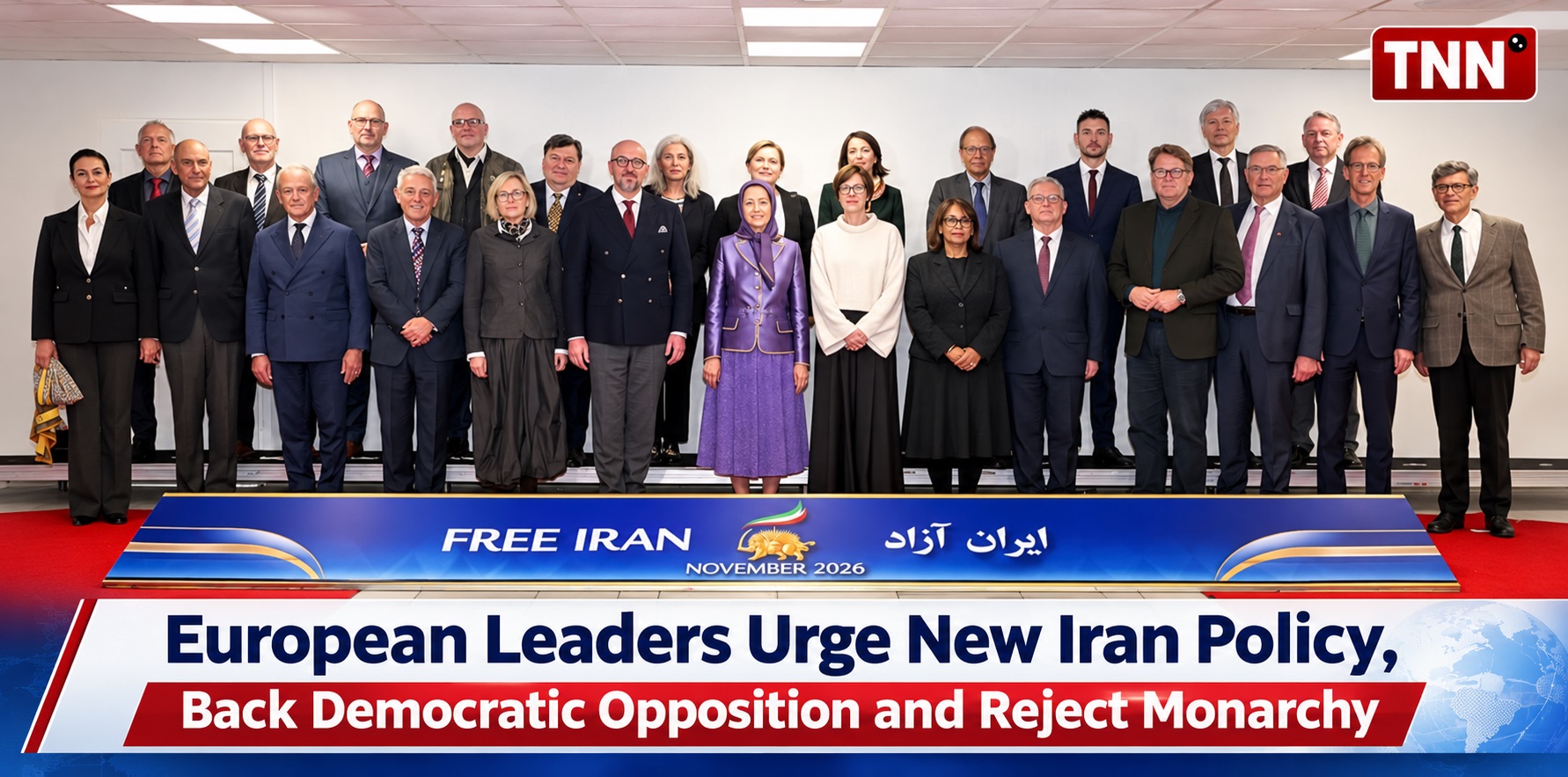
Former European leaders and parliamentarians call for a new Western policy toward Iran, supporting an Iranian-led democratic transition and stronger human rights measures while rejecting a return to monarchy.
Bayonne Mayor Sharon Ashe-Nadrowski joins a Thanksgiving turkey drive with local organizations, police officers, and volunteers to support families.
Explore holiday markets, handmade gifts, live music, and cultural events in Shoreline and Lake Forest Park, Washington, on November 22.
Nvidia faces contrasting industry expectations as AI demand grows, with its financial performance and leadership shaping the future of computing.
Signal introduces mobile screenshot restrictions on Android and iOS as concerns grow over AI-powered surveillance and digital privacy.
AI agents are transforming messaging platforms by helping users organize daily activities, plan travel, manage work, and complete everyday tasks.