EU Faces Potential Economic Shock as Trump Threatens 30% Tariffs on European Goods
European leaders scramble to avert steep tariffs that could devastate exports and force urgent reforms of the EU’s export-driven economy.

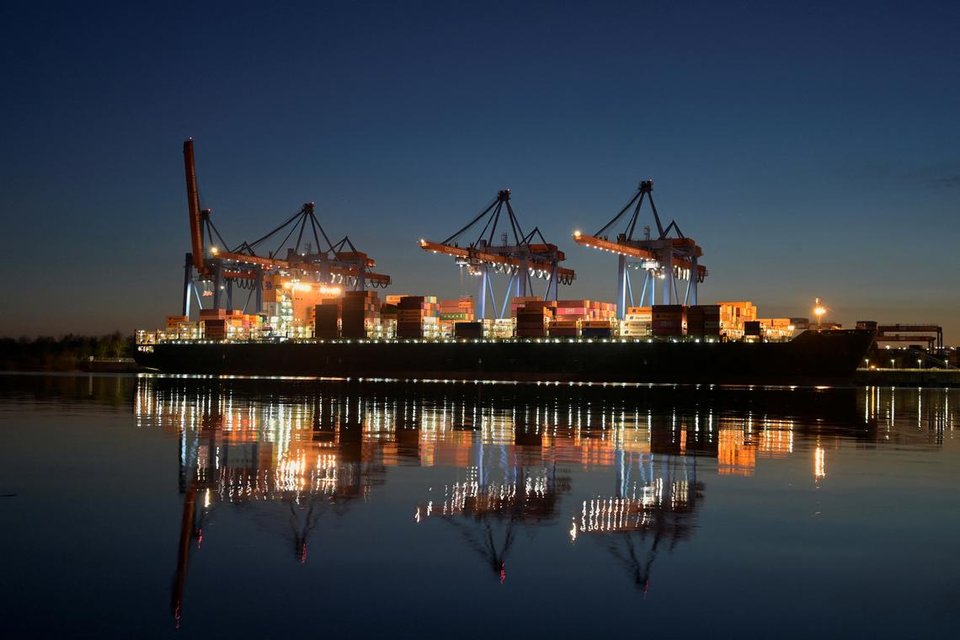
BRUSSELS — A 30 percent tariff on European goods threatened by US President Donald Trump could be a game changer for Europe, potentially wiping out large segments of transatlantic trade and forcing a major rethink of Europe’s export-driven economic model.
European ministers gathered in Brussels on July 14 remain hopeful they can persuade Trump to back down before his August 1 deadline and preserve the US$1.7 trillion two-way trade relationship.
However, Trump’s unpredictable stance—sometimes calling the EU an ally, other times accusing it of undermining the US—keeps the 30 percent tariff threat very much alive.
EU trade chief Maros Sefcovic warned before the meeting: “It will be almost impossible to continue trading as we know it with such a tariff. Practically, it prohibits trade.” In 2024, the US accounted for 20% of all EU exports, making it the bloc’s largest trading partner.
EU officials hoped to limit damage by negotiating a baseline tariff of around 10 percent (the current rate), with exemptions for critical sectors like automobiles.
Trump’s main grievance is the US$235 billion trade deficit on goods with the EU, despite a surplus on services.
If implemented, tariffs would make European exports—from pharmaceuticals, vehicles, machinery, to wine—too expensive for American consumers, hitting European economies hard.
Barclays economists estimate an average EU tariff of 35 percent, including retaliation, could cut eurozone output by 0.7 percentage points—eroding most of its already fragile growth and prompting the European Central Bank to cut interest rates further.
An earlier study by the German Economic Institute found tariffs between 20-50 percent could cost Germany’s €4.3 trillion economy more than €200 billion by 2028.
German Chancellor Friedrich Merz warned the tariffs would force delays to planned tax cuts and infrastructure spending, hitting Germany’s export industry at its core.
With limited alternative markets, the EU faces tough questions on how to replace lost trade to fund vital services and ambitions, from aging populations to military spending.
Although the EU has pursued trade deals with new partners, progress has been slow—as seen with the delayed EU-Mercosur pact.
Policy analyst Varg Folkman pointed out that the EU lacks ready alternative markets and that internal barriers—equivalent to high tariffs—still hinder free movement of goods and services within the bloc.
Some argue this trade dispute might finally spur the EU to reform its single market by boosting domestic demand and reducing dependence on exports.
Negotiations with Trump continue amid this tension, with the EU prepared for talks but also ready to retaliate if necessary.
One possible incentive for Trump to compromise might be that ongoing trade uncertainty could delay the US Federal Reserve’s much-desired interest rate cut, making a swift resolution appealing.
AXA’s chief economist Gilles Moec noted: “This new escalation increases uncertainty for everyone, including the Fed, making calls for quick rate cuts harder to justify.”
News You Should See
The Hunger Games: Sunrise on the Reaping Delivers $225 Million Global Box Office Debut
US Data Centers Consume as Much Electricity as Michigan, Harvard Study Reveals
AI Enables a 12,000-Pound John Deere Loader to Perform Two-Wheel Stunts
Kodak Launches SlideTag, a Digital Photo Frame with Built-In Bluetooth Tracking
Samsung May Shift Galaxy Watch to a Two-Year Launch Cycle Amid Sales Challenges
Barcelona Stage Stunning Comeback to Defeat Villarreal 3-2 and Extend LaLiga Lead
Latest News
The Hunger Games: Sunrise on the Reaping earns $225 million worldwide in its opening weekend, strengthening the franchise's box-office position.
Harvard research estimates that 403 US hyperscale data centers consume up to 99 terawatt-hours annually, raising concerns about AI's environmental impact.
Researchers train a 12,000-pound John Deere 332G loader using AI and reinforcement learning to balance on two wheels and perform controlled movements.
Kodak introduces SlideTag, a $34.99 digital photo accessory featuring a 1.54-inch E Ink screen, photo storage, and Bluetooth tracking support.
Samsung may skip next year's Galaxy Watch launch after disappointing sales expectations, potentially shifting to a two-year release cycle while prioritizing software improvements.
Barcelona come from two goals down to beat Villarreal 3-2 at Camp Nou, with Gerard Martín, Fermín López, and Pau Navarro's own goal securing victory.
Liverpool defeat Manchester United 4-0 at Anfield after Leny Yoro's early red card marks a difficult Premier League debut for Mauricio Pochettino.
Five Aberdeen Township police officers receive New Jersey PBA Valor Awards for their bravery during an alleged kerosene attack.
NYC hate crimes prevention director Vijah Ramjattan meets Muslim community members to discuss public safety, trust, inclusion, and hate crime prevention.