Ethiopia Retakes Mekelle Airport as Tigray Conflict Enters a New Phase
Federal forces regain control of Alula Aba Nega Airport after renewed fighting, but the strategic gain is unlikely to end the conflict or ease wider regional tensions.

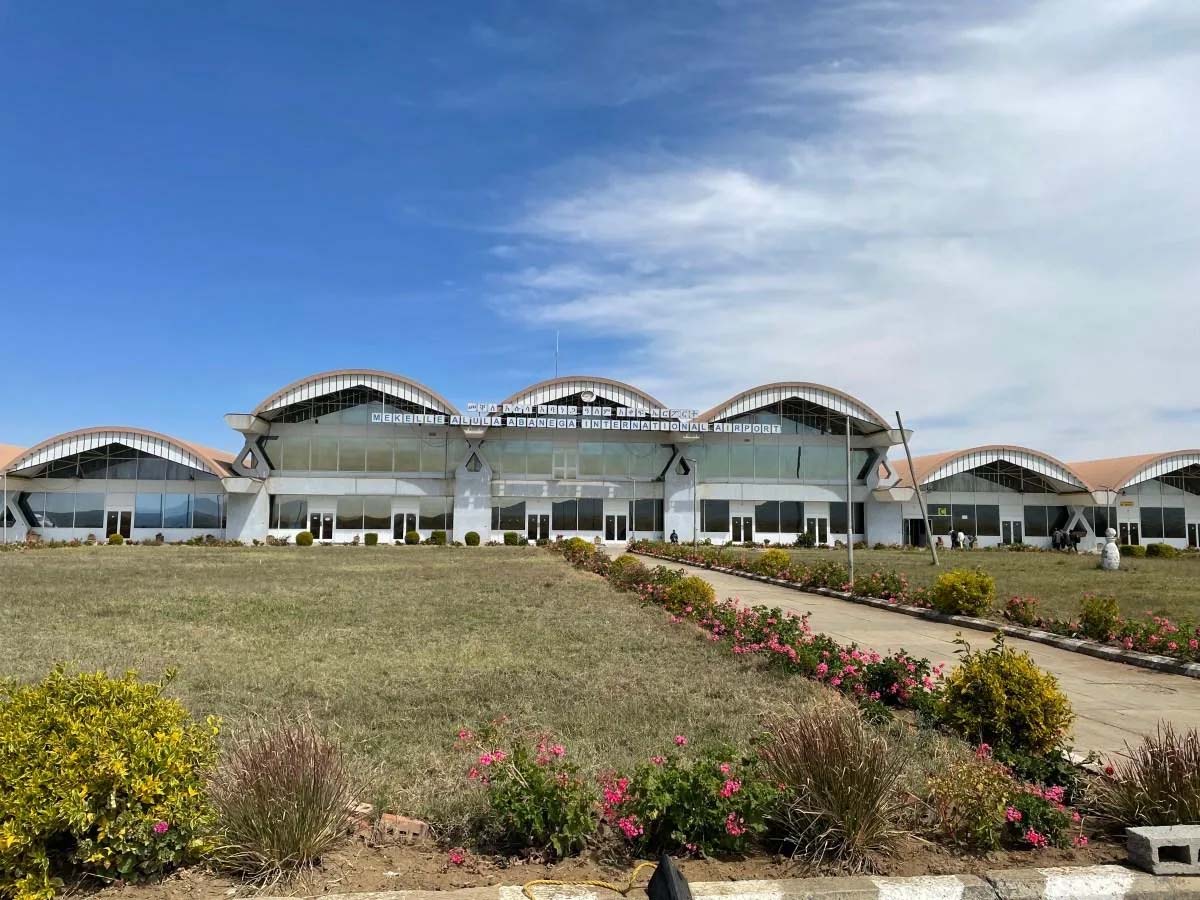
Ethiopian federal forces have regained control of the main airport in Mekelle, the capital of the northern Tigray region, in a significant battlefield development that comes as renewed fighting threatens to reopen one of the country's most difficult political and security crises.
Alula Aba Nega Airport, located about 10 kilometres from central Mekelle, was among three airports seized by opposition forces when the latest fighting began on September 23. Its recapture gives federal forces control of an important logistical gateway close to the regional capital and strengthens their position around one of the most strategically important cities in northern Ethiopia.
The development is particularly significant because it comes less than four years after the previous Tigray war ended. The conflict between federal forces and the Tigray People's Liberation Front lasted from 2020 to 2022 and caused extensive humanitarian and economic disruption. Control of Mekelle changed during that conflict, demonstrating how quickly territorial gains can be reversed when military advances are not supported by a durable political settlement.
For the federal government, the airport is more than an aviation facility. Control of an airport near a regional capital provides a potential channel for moving personnel, supplies and equipment while improving operational access to the surrounding area. It also carries political symbolism by demonstrating the government's ability to restore control over critical infrastructure.
The renewed fighting, however, has developed beyond a straightforward struggle over individual facilities. The confrontation between a Tigrayan-led opposition alliance and federal and allied forces is the most serious escalation since the earlier war. The possibility of the conflict expanding beyond Tigray has raised concerns about wider instability across the Horn of Africa.
The regional dimension has become more pronounced as diplomatic relations have deteriorated. Ethiopia severed diplomatic ties with Eritrea during the week and accused Eritrea, Sudan and Egypt of supporting the opposition alliance. The three countries rejected those accusations. Eritrea subsequently cut diplomatic relations with Ethiopia, adding an interstate dimension to an already complex internal conflict.
The diplomatic escalation has important economic implications. Prolonged instability can disrupt transport networks, commercial activity and access to essential services while increasing the cost of humanitarian operations. A broader confrontation could also affect investment decisions and trade across the Horn of Africa, particularly as Ethiopia continues to pursue greater access to Red Sea trade routes.
The immediate commercial effects are likely to be most visible in northern Ethiopia. Disruptions to air travel, communications and road movement can affect local businesses, financial institutions and supply chains. Companies operating in or through Tigray face increased uncertainty over logistics, workforce mobility, insurance costs and the reliability of infrastructure.
For international investors, the renewed conflict adds to the political and operational risks associated with doing business in Ethiopia. The country's large domestic market and economic potential remain important considerations, but instability in a strategically significant region can influence decisions involving infrastructure, manufacturing, logistics and long-term capital commitments.
The airport also has implications for the institutional contest between the federal government and the Tigrayan leadership. Regaining a major transport facility reinforces the federal government's claim to territorial authority, while the loss of the airport represents a setback for the opposition's ability to maintain control over key infrastructure and demonstrate sustained military momentum.
The previous war offers an important reminder that control of a strategic location does not necessarily determine the eventual outcome of a conflict. Federal forces captured Mekelle during the opening stages of the 2020 war, but Tigrayan forces later regained the city. That history makes the durability of the current territorial shift more important than the initial military gain itself.
The next phase will therefore depend on whether the federal government can translate battlefield advances into sustained security and political stability. Without a broader settlement, military gains could remain vulnerable to reversal, while continued escalation could create additional pressure on neighboring countries and regional trade routes.
The situation also places Ethiopia's infrastructure strategy under greater pressure. Airports, roads, communications networks and energy facilities become increasingly important during periods of conflict because control over these assets can directly influence the ability of governments, businesses and humanitarian organizations to operate.
Mekelle's airport is therefore emerging as both a military asset and an indicator of the broader direction of the crisis. Its recapture gives federal forces an important strategic position, but the longer-term implications will depend on whether the development becomes part of a wider stabilization process or another stage in a cycle of territorial advances and reversals.
For Ethiopia's economy and corporate sector, the distinction will be critical. A sustained reduction in conflict would improve the environment for transportation, investment and regional commerce, while another prolonged confrontation could deepen infrastructure disruption, increase operating costs and weaken confidence in the stability of northern markets.
The immediate military shift around Mekelle consequently carries consequences far beyond the airport itself. It has implications for Ethiopia's political authority, regional diplomacy, business conditions and the wider security architecture of the Horn of Africa.
News You Should See
2026 Nobel Medicine Prize Honors Scientists Behind Optogenetics Breakthrough
Oil Prices Edge Lower as Stronger Middle East Exports and G7 Reserves Ease Supply Concerns
Trump Offers U.S. Assistance to Russia After Death at Siberian Plague Research Institute
Trump Takes Economic Message to Nebraska as GOP Faces Rising Cost-of-Living Pressure
U.S. Appeals Court Weighs Trump Administration’s $2.6 Billion Harvard Funding Fight
U.S. Midterm Elections Begin With Resilient Jobs Market and Persistent Cost Pressures
Latest News
The 2026 Nobel Prize in Physiology or Medicine honors Karl Deisseroth, Peter Hegemann and Georg Nagel for pioneering research behind optogenetics and its impact on neuroscience.
Oil prices edged lower as stronger Middle Eastern exports and a planned G7 release of 100 million barrels eased immediate supply concerns, while Gulf security risks and the Strait of Hormuz kept markets alert.
President Donald Trump said the United States would help Russia if needed after a laboratory worker died at a Siberian plague research institute, as Russian authorities imposed precautionary quarantine measures.
Trump’s Nebraska campaign stop highlights rising fuel and grocery costs, beef prices and growing economic pressure on Republicans ahead of the November midterm elections.
A U.S. appeals court is reviewing the Trump administration’s effort to cut Harvard’s federal research funding, with more than $2.6 billion at stake.
The U.S. enters the 2026 midterm elections with unemployment at 4.2%, while higher living and energy costs create economic pressure for households and businesses.
US services growth eased in September as input prices climbed to their highest level since July 2022, with fuel costs, supply-chain disruptions and strong demand increasing pressure on businesses.
Rising Treasury yields are increasing U.S. borrowing costs as Washington manages record debt, persistent inflation and strong economic demand, narrowing its policy options.
A EGP 16 million corporate partnership will establish and equip a bone marrow transplant unit at Cairo’s Coptic Hospital, supporting access to specialized treatment for patients.