Escalating Conflict in DRC's Mineral-Rich East Claims Over 7,000 Lives Since January; Your Smartphone's Connection
Escalating Conflict in DRC's Mineral-Rich East Claims Over 7,000 Lives Since January; Your Smartphone's Connection

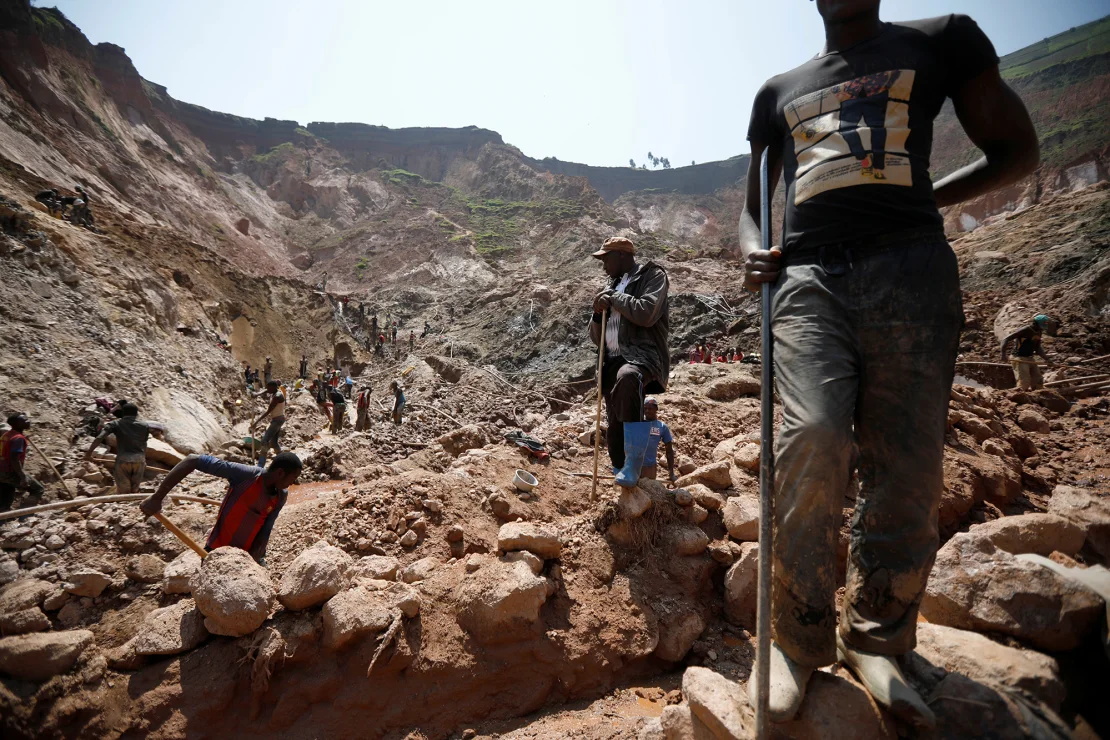
A violent offensive by the M23 rebel group has resulted in the capture of several strategic mining towns in the eastern Democratic Republic of Congo (DRC). Notably, the rebels seized Goma, the provincial capital of North Kivu, on January 27, and subsequently took control of resource-rich areas including Rubaya and Nyabibwe. These regions are renowned for their abundant deposits of coltan, a crucial mineral in smartphone manufacturing.
The ongoing clashes between the M23 rebels and Congolese forces have led to a devastating loss of life. According to DRC's Prime Minister, approximately 7,000 individuals, encompassing both combatants and civilians, have perished since January. In Goma alone, about 3,000 deaths have been reported, and the destruction of 90 displacement camps has left approximately 450,000 people without shelter.
The M23, a Tutsi-led organization allegedly supported by neighboring Rwanda, has strategically targeted these mineral-rich territories. Control over coltan mines, such as those in Rubaya, provides the group with significant financial resources. The United Nations reports that the rebels generate an estimated $800,000 monthly through imposed production taxes on these mining operations.
Is Your Smartphone Fueling the Conflict?
The DRC, a Central African nation with a population exceeding 100 million, is endowed with vast mineral wealth, including the world's largest reserves of cobalt and coltan. These minerals are indispensable in the production of electronic devices. Cobalt is essential for manufacturing batteries that power smartphones and electric vehicles, while coltan is refined into tantalum, used in various electronic components.
Despite this natural wealth, the majority of DRC's populace has not reaped the benefits. Instead, the country's mineral riches have become a focal point for armed groups and neighboring nations seeking economic gain. The illicit exploitation and smuggling of these resources have perpetuated cycles of violence and instability in the region.
Jean Pierre Okenda, an analyst specializing in extractive industries governance, emphasizes that access to natural resources is central to the conflict. He notes that the zones occupied by rebels are predominantly mining areas, and the global demand for minerals like coltan has exacerbated the crisis. The revenue generated from these mining sites finances ongoing armed conflicts, creating a vicious cycle of violence fueled by the very minerals that power modern technology.
International Implications and Responses
The international community has expressed growing concern over the situation. The United Kingdom recently suspended aid to Rwanda, citing its alleged support for the M23 rebels. This move underscores the complex geopolitical dynamics at play, as neighboring countries are accused of backing armed groups to secure access to DRC's mineral wealth.
For consumers worldwide, this connection raises ethical considerations. The minerals used in everyday electronic devices, including smartphones, are often sourced from conflict zones where their extraction contributes to human suffering and environmental degradation. This reality prompts a critical examination of supply chains and the importance of responsible sourcing practices by technology companies.
Efforts to address the issue include international regulations aimed at ensuring transparency and accountability in mineral sourcing. However, challenges persist due to the complex and often opaque nature of global supply chains. As the conflict in the DRC continues, the imperative for sustainable and ethical sourcing of minerals becomes increasingly urgent, necessitating concerted action from governments, corporations, and consumers alike.
News You Should See
Helicopters Over Marseille as Police Pursue Suspects After Jewelry Store Is Targeted
France Protests: TN News Correspondent Documents Police Lines and Crowds in the Streets
Police Presence and Road Barricades Documented in French Protest Footage
France on Edge: Violence, Racism and Political Polarization Raise Fears of a Deeper Divide
DOJ Orders California Counties to Verify Suspected Noncitizen Ballots Ahead of Midterms
Never Stop Making Du’a: Allah’s Door Is Never Closed
Latest News
Police pursued individuals reportedly connected to a jewelry store incident in Marseille’s Cinq-Avenues neighborhood as helicopters flew overhead. Authorities have not confirmed arrests, injuries, theft or property damage.
TN News correspondent Khaled Shokair documents street protests in France, showing police lines, demonstrators, road obstructions and visible haze as key details remain unconfirmed.
Footage from France shows crowds, police officers, road barricades, debris and smoke. The gathering's location, date, cause, and any injuries or arrests remain unconfirmed.
A deadly shooting near Paris, protest-related violence and concerns about France’s 2027 presidential election are intensifying debates over racism, public safety, political polarization and social cohesion.
The U.S. Justice Department has ordered at least 18 California counties to review voter records and set aside ballots linked to suspected noncitizens within 48 hours, escalating a dispute with state officials ahead of the November 3 midterm elections.
Mohamed Amen’s Friday khutbah explores persistent du’a, patience during uncertainty, emotional resilience, and the importance of trusting Allah while pursuing practical solutions.
Procter & Gamble expects commodity, energy and transportation costs to reduce fiscal 2027 profit by $1.4 billion. Quarterly sales rose 4% to $23.28 billion, beating analyst expectations.
A ruptured chemical tank in Toledo, Ohio, prompted evacuations, school closures and an industrial shutdown. Authorities have reduced the restricted zone as the release slows and cleanup preparations continue.
A federal judge has ordered Donald Trump to give a deposition by December 11, 2026, in his $10 billion lawsuit against the BBC, with possible sanctions for noncompliance as the discovery deadline approaches.