England and Argentina Turn Resilience into Their Greatest Weapon Ahead of World Cup Semi-Final
Mental strength, tactical adaptation, and emotional leadership define two remarkable journeys toward a decisive FIFA World Cup 2026 showdown.

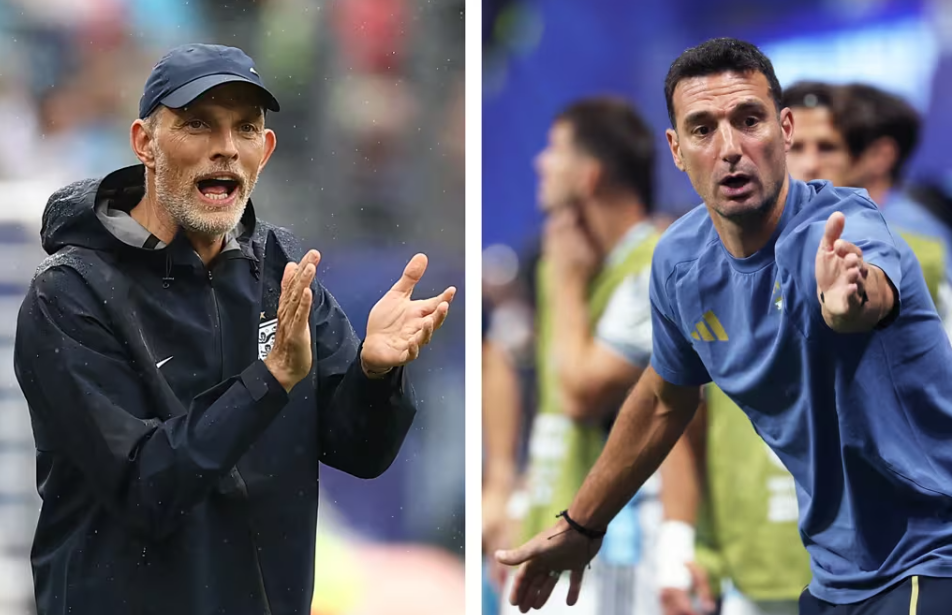
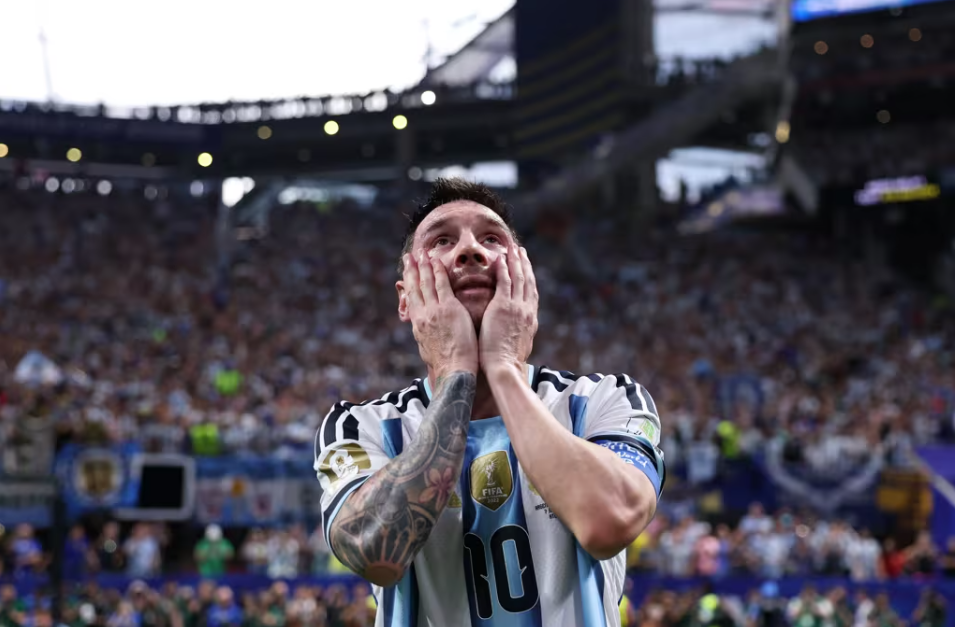

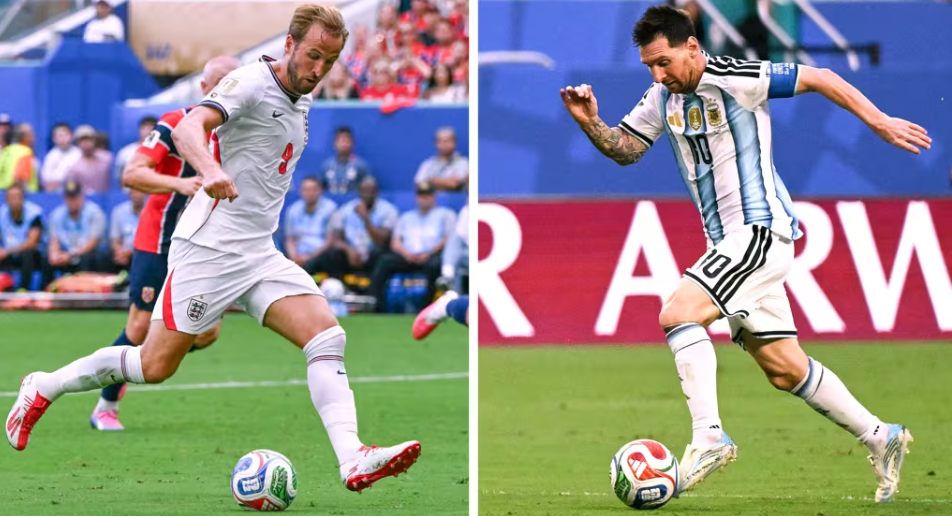
England and Argentina arrive at the FIFA World Cup 2026 semi-final having followed remarkably similar paths built on resilience rather than dominance. Instead of cruising through the knockout rounds, both football powers have repeatedly been pushed beyond their comfort zones, proving that success at the world's biggest tournament increasingly depends on mental endurance as much as technical superiority.
The expanded World Cup has highlighted the narrowing competitive gap between traditional football giants and emerging nations. Every knockout round has demonstrated that reputation alone no longer guarantees victory, forcing elite teams to adapt strategically while maintaining emotional stability under intense pressure. England and Argentina have become two of the strongest examples of this new competitive reality.
England's campaign demanded maximum concentration from Thomas Tuchel's squad. The Three Lions survived difficult encounters against DR Congo, Mexico, and Norway, with every stage exposing tactical weaknesses while simultaneously revealing the team's growing psychological maturity. Rather than producing comfortable victories, England repeatedly demonstrated its ability to remain composed during decisive moments when margins became exceptionally small.
Argentina experienced an equally demanding journey. Victories over Cabo Verde, Egypt, and Switzerland required extended periods of defensive discipline, emotional control, and physical endurance. Several matches stretched beyond normal time, placing enormous pressure on both players and supporters. The dramatic nature of these performances even inspired widespread reactions among Argentine fans, illustrating the emotional investment surrounding the defending champions.
Midfielder Rodrigo De Paul summarized the unpredictable nature of the tournament by emphasizing that no opponent can be underestimated. His comments reflected a World Cup in which several favorites have already been eliminated, reinforcing the importance of sustained focus throughout every minute of competition. In an environment where complacency carries significant consequences, resilience has become one of football's most valuable competitive assets.
Despite reaching the semi-finals, neither head coach expressed complete satisfaction with recent performances. Lionel Scaloni acknowledged that Argentina struggled to manage several phases of the quarter-final against Switzerland, admitting that improvements remain necessary despite progressing. His assessment highlighted a leadership philosophy centered on continuous evaluation rather than celebrating results alone.
Thomas Tuchel adopted a similarly demanding approach after England's victory over Norway. Although qualification represented a significant achievement, the German manager openly criticized his team's technical execution, decision-making speed, and overall rhythm. His willingness to identify shortcomings reflects a high-performance culture designed to pursue excellence rather than simply accept positive results.
England captain Harry Kane viewed the situation from a more optimistic perspective, arguing that reaching the semi-finals while still having room for improvement provides encouragement rather than concern. This balanced mindset illustrates a squad that remains ambitious without becoming overwhelmed by expectations.
The emotional dimension of both campaigns has also strengthened each team's identity. England's tradition of celebrating victories with supporters through the anthem "Wonderwall" has reinforced the connection between players and fans, while Lionel Messi's emotional reaction after defeating Egypt demonstrated the passion that continues to drive one of football's greatest players despite an already unmatched career.
Jude Bellingham emphasized that football's decisive moments are often psychological rather than purely tactical or technical. According to the England midfielder, adversity reveals the true character of a squad, and the Three Lions have consistently shown the mentality required to overcome setbacks under extreme pressure.
Argentina shares the same competitive mentality through the leadership of Messi, whose determination remains unchanged despite winning every major international trophy. His commitment reflects a squad that continues pursuing new achievements while maintaining the competitive standards established over recent years.
From a broader strategic perspective, both England and Argentina demonstrate how modern football success depends on sustainable team culture, leadership development, and emotional intelligence alongside technical preparation. Their ability to adapt, recover, and maintain belief during difficult moments has strengthened not only their chances of reaching another World Cup final but also the international value of their football brands.
As both nations prepare to meet in Atlanta, physical fatigue may influence the contest, but psychological resilience is expected to become the defining factor. The team capable of managing pressure, maintaining tactical discipline, and drawing strength from its supporters is likely to earn the opportunity to compete for football's greatest prize.

News You Should See
2026 Nobel Medicine Prize Honors Scientists Behind Optogenetics Breakthrough
Oil Prices Edge Lower as Stronger Middle East Exports and G7 Reserves Ease Supply Concerns
Trump Offers U.S. Assistance to Russia After Death at Siberian Plague Research Institute
Trump Takes Economic Message to Nebraska as GOP Faces Rising Cost-of-Living Pressure
U.S. Appeals Court Weighs Trump Administration’s $2.6 Billion Harvard Funding Fight
U.S. Midterm Elections Begin With Resilient Jobs Market and Persistent Cost Pressures
Latest News
The 2026 Nobel Prize in Physiology or Medicine honors Karl Deisseroth, Peter Hegemann and Georg Nagel for pioneering research behind optogenetics and its impact on neuroscience.
Oil prices edged lower as stronger Middle Eastern exports and a planned G7 release of 100 million barrels eased immediate supply concerns, while Gulf security risks and the Strait of Hormuz kept markets alert.
President Donald Trump said the United States would help Russia if needed after a laboratory worker died at a Siberian plague research institute, as Russian authorities imposed precautionary quarantine measures.
Trump’s Nebraska campaign stop highlights rising fuel and grocery costs, beef prices and growing economic pressure on Republicans ahead of the November midterm elections.
A U.S. appeals court is reviewing the Trump administration’s effort to cut Harvard’s federal research funding, with more than $2.6 billion at stake.
The U.S. enters the 2026 midterm elections with unemployment at 4.2%, while higher living and energy costs create economic pressure for households and businesses.
US services growth eased in September as input prices climbed to their highest level since July 2022, with fuel costs, supply-chain disruptions and strong demand increasing pressure on businesses.
Rising Treasury yields are increasing U.S. borrowing costs as Washington manages record debt, persistent inflation and strong economic demand, narrowing its policy options.
A EGP 16 million corporate partnership will establish and equip a bone marrow transplant unit at Cairo’s Coptic Hospital, supporting access to specialized treatment for patients.