El Nino Puts Asia’s Food Supply at the Center of a Global Price Risk
A potentially record-strength El Nino is threatening rice, palm oil and fisheries across Asia, creating a wider economic challenge as governments face rising energy and agricultural costs.

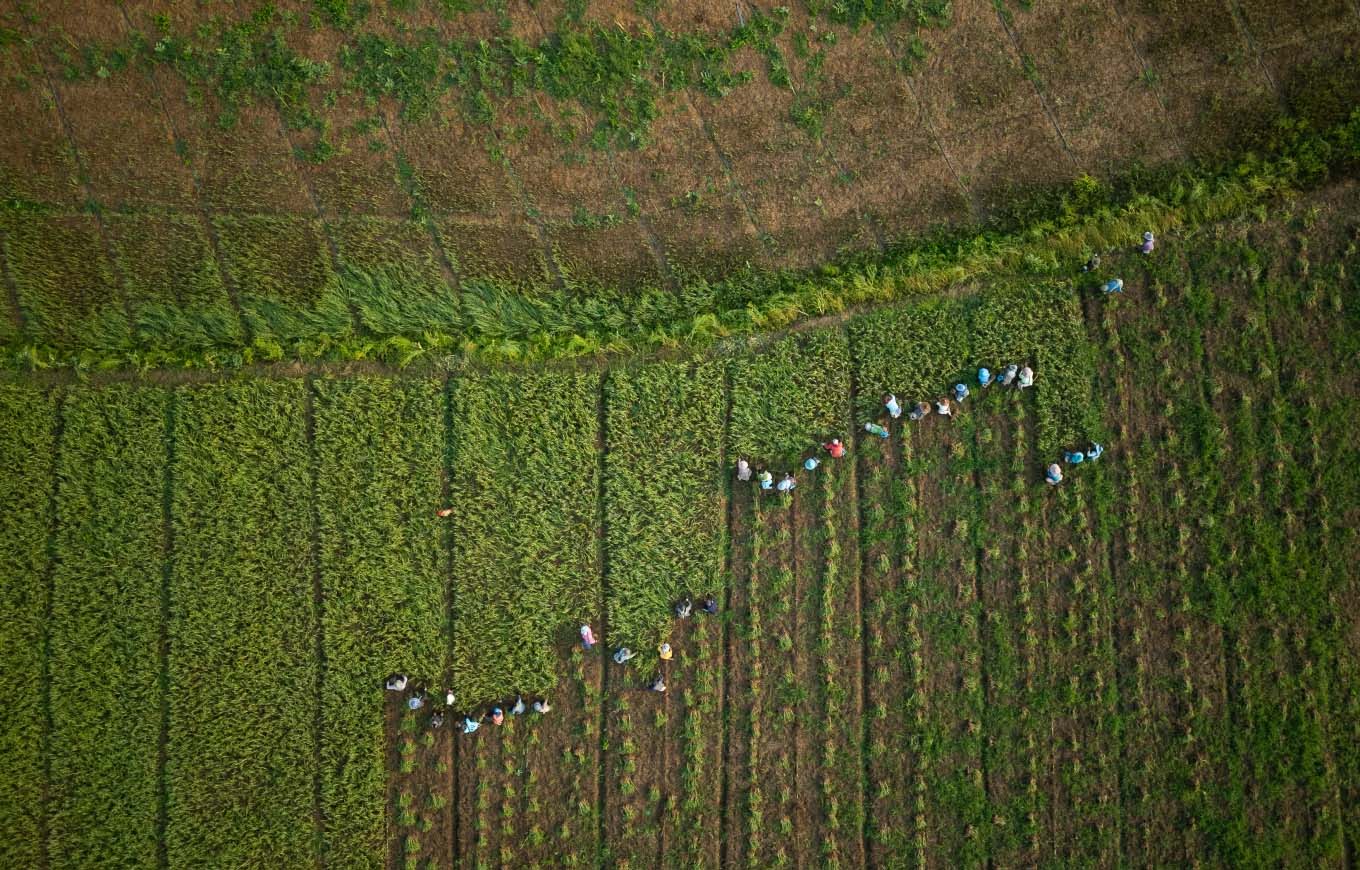
Asia is facing a new economic test, and this time the pressure is not coming from financial markets or interest rates. It is building in the agricultural sector and across the supply chains that feed the global economy.
An El Nino event that could become the strongest in decades is raising concerns over drought, extreme heat and declining agricultural output across parts of Asia. The potential damage comes at a difficult time for the region, with energy and fertilizer costs already elevated and governments facing tighter room to absorb another supply shock.
The risk matters far beyond the weather itself. Asia is home to some of the world’s largest food producers and exporters, meaning a significant disruption to output could quickly move from farms and local markets into global commodity prices, corporate costs and household spending.
The U.S. National Oceanic and Atmospheric Administration estimates a 69% chance that the current El Nino could become the strongest recorded since 1950. The World Food Program has separately warned that the disruption could push at least 49 million additional people into acute food insecurity by the end of 2027.
Rice is one of the clearest examples of the exposure. India, Vietnam and Thailand are the world’s three largest rice exporters, so a substantial production decline in any of these markets could affect international supplies rather than remaining a domestic agricultural problem.
Thailand is already facing more difficult growing conditions as rainfall becomes less predictable. Farmers are relying more heavily on water pumping, while higher fuel and fertilizer costs are making cultivation more expensive and squeezing margins.
The pressure could intensify if farmers delay planting, reduce cultivated areas or switch to different crops. In that case, the effects of the weather could reach global rice markets before the full scale of the production decline becomes visible in official data.
Palm oil presents another major vulnerability. Indonesia and Malaysia together account for about 85% of global palm oil supplies, and the commodity is used across a wide range of industries, from food and cosmetics to toothpaste and detergents.
That makes a decline in palm oil output a much broader economic issue than a shortage of a single food commodity. Manufacturers could face higher input costs, while consumers could eventually see some of those increases reflected in the prices of everyday products.
The timing adds another layer of risk. Asian agriculture is entering the El Nino cycle after governments have already spent significant resources dealing with higher energy costs and fertilizer shortages linked to the war in Iran. A new supply disruption could therefore arrive when policymakers have less fiscal room to provide additional support.
For businesses, the challenge extends beyond the price of raw materials. Supply disruptions can force manufacturers to rethink inventories, production schedules, pricing strategies and sourcing arrangements. Large companies may have more options to secure supplies or switch suppliers, while smaller producers can be more exposed to sudden increases in input costs.
Fisheries are also vulnerable. Higher temperatures and lower rainfall are putting additional pressure on fishing activity across parts of Southeast Asia. The Mekong basin is particularly important because communities in six countries depend on the river for both agriculture and fishing. Lower water flows could therefore threaten two major sources of food and income at the same time.
Indonesia illustrates another way climate conditions can disrupt agricultural production. Palm oil producers depend on rainfall to help fertilizers reach the soil effectively. Prolonged dry conditions could make fertilizer application less effective, potentially reducing productivity before the full impact of drought appears in production figures.
Financial institutions are already assessing the potential market impact. Goldman Sachs analysts estimate that El Nino could increase global food commodity prices by more than 15%, while HSBC Global Investment Research has pointed to trillions of dollars in economic losses associated with previous extreme El Nino events.
Those figures do not amount to a forecast of what will necessarily happen this time. The eventual impact will depend on weather developments, inventories, government measures and the ability of global markets to redirect trade and supplies.
Governments are therefore moving to prepare before the potential damage becomes more severe. Malaysia has instructed its agricultural authorities to develop measures to limit the effects of El Nino, with particularly strong impacts expected in November. Indonesia and other major agricultural economies face a similar challenge: protecting production while dealing with water constraints and higher farming costs.
But the ability of governments and companies to respond will not be the only factor determining the outcome. If production falls across several major commodities simultaneously, replacing lost supplies could become increasingly difficult, particularly if dry conditions persist.
That is where El Nino becomes more than a climate event. It becomes a test of how much disruption global supply chains can absorb.
Agricultural commodities move through highly interconnected international markets, meaning a production problem in one major exporting country can eventually affect manufacturers, retailers and consumers thousands of miles away.
If major Asian exporters manage to maintain production, the global impact could remain limited. But if drought cuts output across several key commodities at the same time, food prices could come under renewed pressure, adding another source of inflation at a time when many economies are still dealing with elevated costs.
The significance of the coming El Nino will therefore be measured by more than temperatures or rainfall. The bigger question is whether agricultural producers, supply chains and global markets can absorb a climate shock hitting several of the world’s most important food-producing regions at once.
News You Should See
2026 Nobel Medicine Prize Honors Scientists Behind Optogenetics Breakthrough
Oil Prices Edge Lower as Stronger Middle East Exports and G7 Reserves Ease Supply Concerns
Trump Offers U.S. Assistance to Russia After Death at Siberian Plague Research Institute
Trump Takes Economic Message to Nebraska as GOP Faces Rising Cost-of-Living Pressure
U.S. Appeals Court Weighs Trump Administration’s $2.6 Billion Harvard Funding Fight
U.S. Midterm Elections Begin With Resilient Jobs Market and Persistent Cost Pressures
Latest News
The 2026 Nobel Prize in Physiology or Medicine honors Karl Deisseroth, Peter Hegemann and Georg Nagel for pioneering research behind optogenetics and its impact on neuroscience.
Oil prices edged lower as stronger Middle Eastern exports and a planned G7 release of 100 million barrels eased immediate supply concerns, while Gulf security risks and the Strait of Hormuz kept markets alert.
President Donald Trump said the United States would help Russia if needed after a laboratory worker died at a Siberian plague research institute, as Russian authorities imposed precautionary quarantine measures.
Trump’s Nebraska campaign stop highlights rising fuel and grocery costs, beef prices and growing economic pressure on Republicans ahead of the November midterm elections.
A U.S. appeals court is reviewing the Trump administration’s effort to cut Harvard’s federal research funding, with more than $2.6 billion at stake.
The U.S. enters the 2026 midterm elections with unemployment at 4.2%, while higher living and energy costs create economic pressure for households and businesses.
US services growth eased in September as input prices climbed to their highest level since July 2022, with fuel costs, supply-chain disruptions and strong demand increasing pressure on businesses.
Rising Treasury yields are increasing U.S. borrowing costs as Washington manages record debt, persistent inflation and strong economic demand, narrowing its policy options.
A EGP 16 million corporate partnership will establish and equip a bone marrow transplant unit at Cairo’s Coptic Hospital, supporting access to specialized treatment for patients.