ECB: Extreme Weather Could Slash Eurozone GDP by 5% in Five Years
New ECB analysis shows climate disasters may slash euro area growth by nearly 5%—matching past global economic shocks.

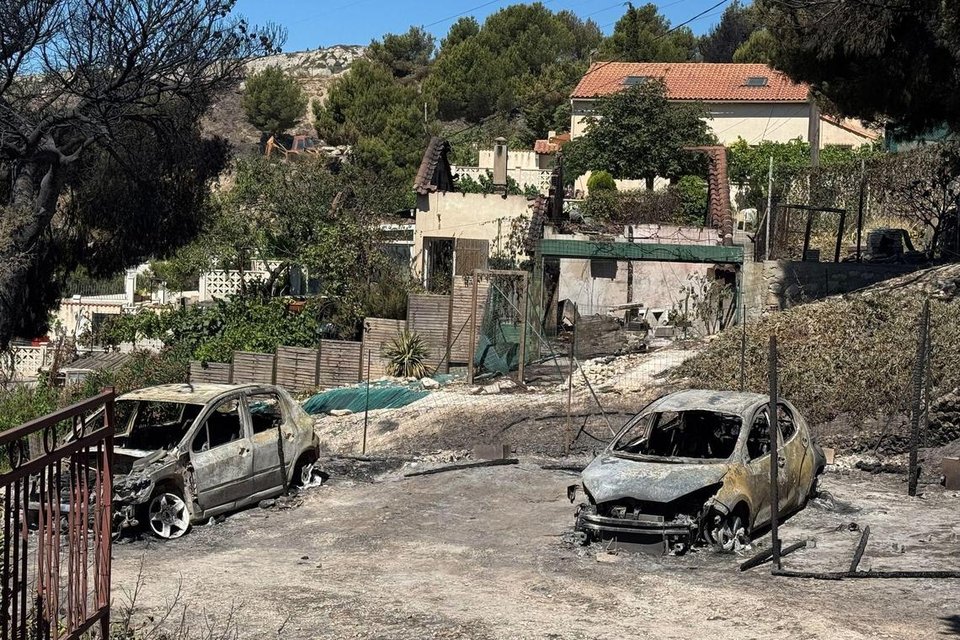
LONDON – A series of extreme climate events could cause the eurozone economy to shrink by nearly 5% in the next five years—on par with the 2008 financial crisis or the Covid-19 pandemic, according to the European Central Bank (ECB).
The stark warning comes from Dr. Livio Stracca, ECB Deputy Director General and chair of the Network for Greening the Financial System (NGFS) scenario team, who outlined findings from a newly released set of short-term climate risk assessment tools.
“The peak negative effect on euro area GDP is almost 5%... the same order of magnitude as what we have seen in the global financial crisis,” Stracca said on July 9.
High-Risk Scenario: "Disasters and Policy Stagnation"
The NGFS scenario predicts a sharp decline in euro area GDP if severe weather events—heatwaves, droughts, wildfires, floods, and storms—hit between 2026 and 2027 without meaningful climate policy action.
This “Disasters and Policy Stagnation” model highlights the short-term physical risks of inaction, marking a shift from long-term projections to immediate climate-related economic impacts.
Net-Zero Transition Offers Protection
In a more optimistic scenario, where the eurozone meets its net-zero targets—including a 55% reduction in greenhouse gas emissions by 2030—the economic damage is significantly reduced.
“Climate-related risks are an immediate concern for financial stability and economic growth,” Dr. Stracca and Bundesbank board member Sabine Mauderer wrote in a joint ECB blog.
They emphasized that coordinated, global climate action is essential to safeguard Europe’s economic interests and resilience.
Why This Matters
This is the first time central banks have tools to quantify short-term physical climate risks.
The new models offer financial institutions a way to stress-test their exposure to severe weather disruptions.
The findings increase pressure on policymakers and banks to act fast on climate.
News You Should See
Queens Celebrates Arts, Music and Family Activities with Diverse Weekend Events
Hollywood Faces New AI Debate as Startup Explores Selling Digital Versions of Human Faces
Arsenal Face Goalkeeping Concerns After David Raya Injury
European Leaders Urge New Iran Policy, Back Democratic Opposition and Reject Monarchy
Bayonne Mayor Sharon Ashe-Nadrowski Joins Thanksgiving Turkey Drive, Praises Community Organizations and Invites Residents to Attend
Seattle Communities Celebrate Holiday Season with Local Markets and Cultural Activities
Latest News
Queens hosts a weekend of cultural events featuring artisan markets, children's classical music activities, documentary screenings, gardening workshops and theater.
A microdrama startup explores selling AI-generated digital faces, raising concerns about consent, ownership, compensation, and the future of Hollywood performers.
Arsenal draw 2-2 with Newcastle as goalkeeper David Raya suffers an injury, raising concerns for Mikel Arteta ahead of upcoming Premier League fixtures.
Former European leaders and parliamentarians call for a new Western policy toward Iran, supporting an Iranian-led democratic transition and stronger human rights measures while rejecting a return to monarchy.
Bayonne Mayor Sharon Ashe-Nadrowski joins a Thanksgiving turkey drive with local organizations, police officers, and volunteers to support families.
Explore holiday markets, handmade gifts, live music, and cultural events in Shoreline and Lake Forest Park, Washington, on November 22.
Nvidia faces contrasting industry expectations as AI demand grows, with its financial performance and leadership shaping the future of computing.
Signal introduces mobile screenshot restrictions on Android and iOS as concerns grow over AI-powered surveillance and digital privacy.
AI agents are transforming messaging platforms by helping users organize daily activities, plan travel, manage work, and complete everyday tasks.