Dublin’s Coastal Rail Corridor Redefines Urban Tourism Through Sustainable Travel
An expanded rail-connected coastal route transforms Dublin Bay into an integrated tourism destination, combining heritage, biodiversity, local communities and sustainable mobility.

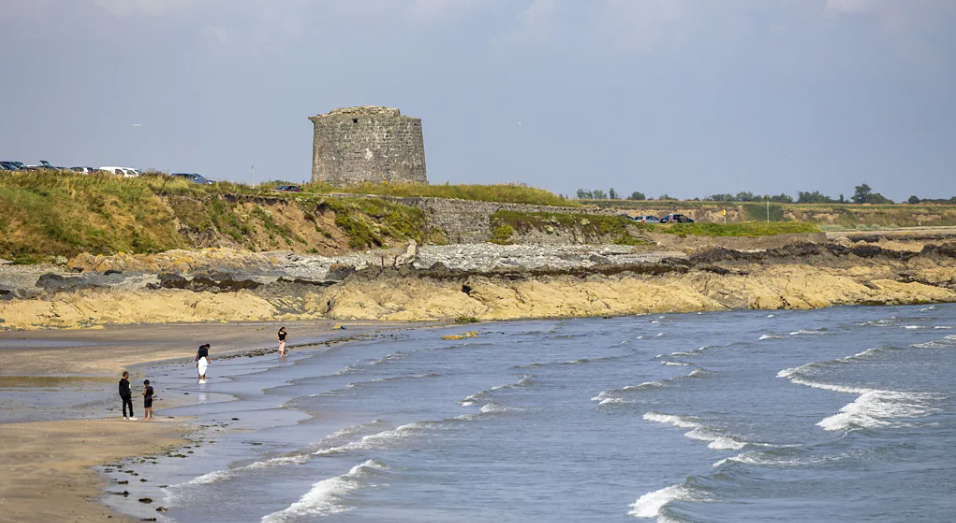
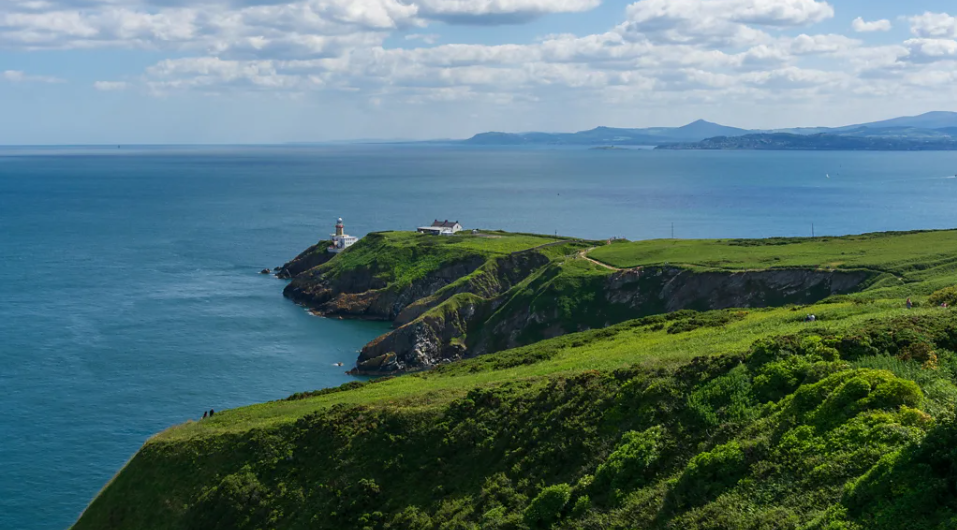
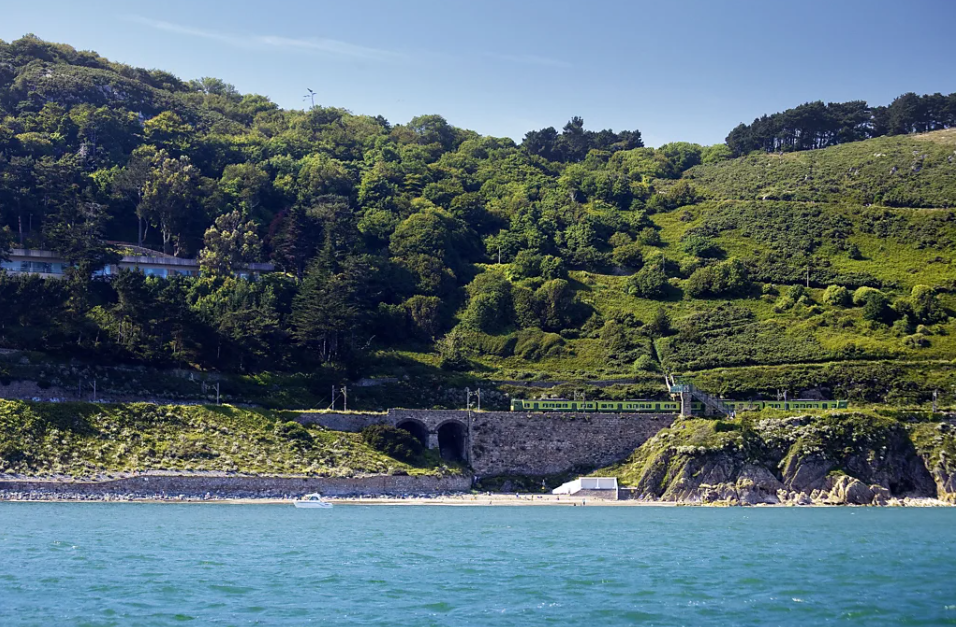
Dublin has long been recognized for its historic neighborhoods, literary legacy and vibrant cultural atmosphere, yet a significant part of the Irish capital has remained outside the traditional visitor experience. The city's coastline, stretching along Dublin Bay, is now emerging as a strategic tourism asset following the expansion of the Dublin Coastal Trail, a rail-connected route designed to encourage visitors to discover coastal communities beyond the city centre.
Rather than presenting the railway merely as a transportation system, the initiative positions public transport as the foundation of an integrated tourism experience. The trail extends for more than 65 kilometres along Ireland's eastern coastline, linking sixteen seaside communities through Irish Rail services and the DART commuter network. Travelers can complete the route in a relatively short journey, but the concept encourages multiple stops that reveal the unique identity of each destination.
The project reflects a broader shift in destination management, where mobility infrastructure becomes part of the visitor experience instead of simply connecting attractions. By reducing dependence on private vehicles, the trail supports environmentally responsible tourism while distributing visitor activity across a wider geographical area.
One of the strongest competitive advantages of the initiative is its location within Dublin Bay, recognized as the world's only capital-city UNESCO Biosphere Reserve. This distinction highlights the successful coexistence of urban development, biodiversity and local communities, providing Dublin with a distinctive international tourism identity that few capital cities can replicate.
Northern communities such as Balbriggan introduce visitors to quiet beaches, historic landmarks and coastal landscapes that contrast sharply with Dublin's busy urban core. Fishing traditions, maritime heritage and public waterfront spaces contribute to a slower tourism experience centered on local culture rather than mass attractions.
Further south, destinations including Malahide and Howth demonstrate how natural landscapes can remain closely connected to metropolitan life. Dramatic cliff walks, coastal wildlife, marine ecosystems and panoramic sea views create opportunities for outdoor recreation while reinforcing environmental awareness among visitors.
Howth also illustrates the economic value of combining heritage with gastronomy. As one of Ireland's busiest fishing ports, it supports local seafood businesses that benefit directly from increased tourism generated by improved rail accessibility. Restaurants, seafood markets and independent businesses become integral parts of the visitor journey, strengthening local economies while preserving authentic community character.
Environmental conservation remains central throughout the route. Areas such as Bull Island and surrounding wetlands protect important habitats for migratory birds, coastal vegetation and marine ecosystems. These protected environments demonstrate how tourism development can coexist with conservation when visitor access is carefully managed through sustainable transport networks.
Blackrock represents another dimension of the strategy by integrating heritage architecture, public markets and nature reserves within walking distance of the railway station. Historic transportation infrastructure, local artisan markets and coastal walking paths combine to create experiences that appeal to cultural travelers while supporting small businesses and creative industries.
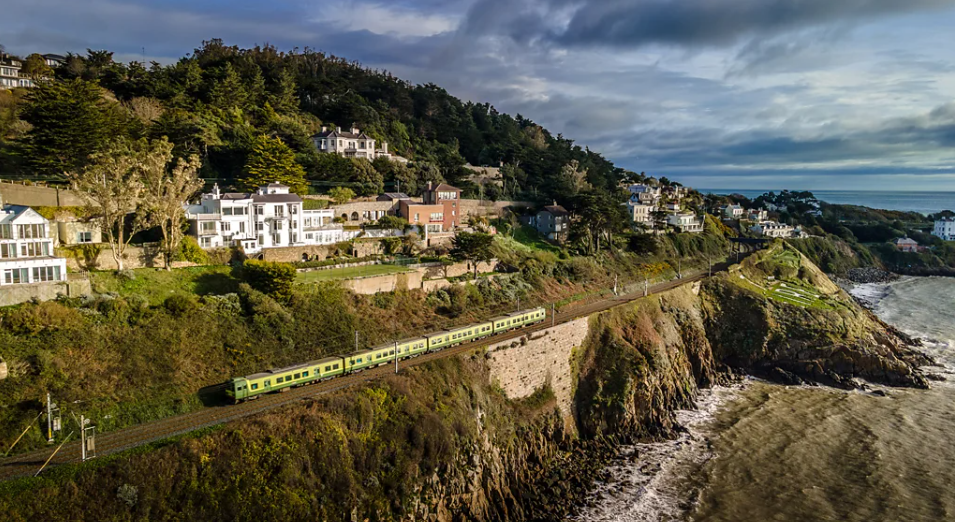
The route concludes in Killiney, where scenic beaches, historic residences and Victorian-era architecture showcase another layer of Dublin's coastal identity. Rather than functioning as isolated attractions, these destinations collectively strengthen the city's tourism brand by offering visitors diverse experiences connected through efficient public transport.
From an economic perspective, the expanded Coastal Trail encourages longer visitor stays, increases spending across multiple communities and distributes tourism revenue beyond Dublin's traditional city centre. Small retailers, hospitality providers, restaurants, outdoor recreation operators and cultural attractions all benefit from broader visitor movement along the coastline.
The initiative also demonstrates how transportation planning, environmental protection and destination branding can work together to create sustainable growth. Instead of relying solely on iconic landmarks, Dublin is positioning its coastline as a strategic tourism ecosystem where nature, heritage, mobility and community development reinforce one another.
As global travelers increasingly seek authentic and environmentally responsible experiences, Dublin's coastal rail network presents a model that other urban destinations may study. By connecting local identity with sustainable infrastructure, the city strengthens both its international tourism competitiveness and its long-term environmental resilience.
News You Should See
P&G Raises Fiscal 2027 Cost Warning as Oil and Freight Expenses Threaten Profits
Chemical Tank Leak in Toledo Triggers Evacuations and Industrial Disruptions
Judge Sets December 11 Deadline for Trump Deposition in BBC Defamation Case
Iowa Senate Race Tests How Far Republicans Can Separate Themselves From Trump
California State Workers Strike Over Pay, Healthcare and Return-to-Office Rules
Streaming’s October Showdown: How Disney, Netflix and Major Entertainment Brands Compete for Audiences
Latest News
Procter & Gamble expects commodity, energy and transportation costs to reduce fiscal 2027 profit by $1.4 billion. Quarterly sales rose 4% to $23.28 billion, beating analyst expectations.
A ruptured chemical tank in Toledo, Ohio, prompted evacuations, school closures and an industrial shutdown. Authorities have reduced the restricted zone as the release slows and cleanup preparations continue.
A federal judge has ordered Donald Trump to give a deposition by December 11, 2026, in his $10 billion lawsuit against the BBC, with possible sanctions for noncompliance as the discovery deadline approaches.
Iowa’s 2026 Senate race pits Republican Ashley Hinson, balancing Trump support with economic concerns, against Democrat Josh Turek, who emphasizes bipartisanship amid rising campaign spending.
Thousands of California state workers struck on October 21 over a proposed three-year pay increase, healthcare costs and a four-day office attendance requirement as contract negotiations continued.
October 2026 brings major entertainment releases across Disney+, Netflix, HBO Max, Hulu, Prime Video and Peacock. Explore how familiar franchises, exclusive programming, new music and video games shape competition for streaming audiences.
Saudia advises travelers to book flights through Al Qassim Airport for Riyadh connections, offering free hourly shuttle buses in both directions until further notice.
An AP-NORC poll shows Democratic confidence in accurate vote counting falling to 55%, while Republican confidence rises to 38%, highlighting election integrity concerns ahead of the 2026 US midterms.
Donald Trump campaigns in North Carolina ahead of the November 2026 midterms as low approval ratings, rising fuel costs, Democratic early-voting gains and funding disparities challenge Republican efforts to retain control of Congress.