Dollar Holds Near 18-Month High as Middle East Tensions Put Inflation and Fed Policy in Focus
Renewed attacks in the Middle East are driving demand for safe-haven assets as investors await US inflation data that could shape Federal Reserve policy, while volatile oil prices and European fiscal concerns add pressure to global currency markets.

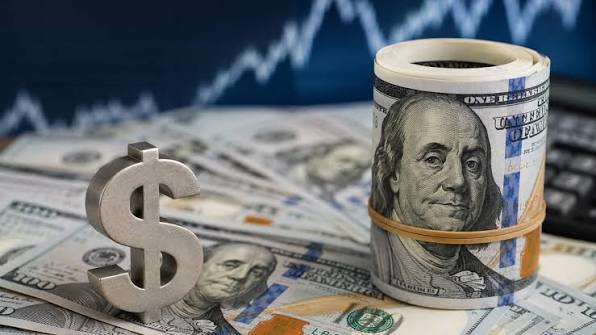
The US dollar remained close to its strongest level in 18 months on October 12, as escalating tensions in the Middle East strengthened demand for relatively safe assets ahead of a closely watched US inflation report. The combination of geopolitical uncertainty, volatile energy prices and changing expectations for Federal Reserve policy has placed currency markets at the intersection of security risks and economic decision-making.
The dollar index, which measures the US currency against a basket of six major currencies, traded near 102.14 in Asian trading, remaining close to the peak reached the previous week. Although the index eased slightly during the session, the broader trend reflected investors' preference for liquidity and perceived safety while uncertainty surrounding regional conflicts continued to influence financial markets.
The immediate focus is now on US consumer price data due later in the week. The figures could influence expectations for the Federal Reserve's next interest-rate decision, with consequences extending from foreign exchange trading to corporate borrowing, international investment and the cost of imported goods.
Geopolitical Risk Strengthens Demand for the Dollar
Renewed attacks involving Yemen's Iran-backed Houthi movement and Saudi Arabia, alongside reports of attacks on two tankers over the weekend, unsettled energy markets and reinforced concerns about the security of regional shipping routes.
Oil prices fluctuated as traders assessed the possibility of further disruption to production and transportation. Brent crude futures traded around $103.55 a barrel during early Asian trading before subsequent market movements pushed prices higher. The fluctuations reflected uncertainty over how the latest security developments might affect the availability and delivery of energy supplies.
For currency investors, such episodes can increase the appeal of the dollar because it remains a major reserve currency and one of the world's most actively traded financial assets. When investors reduce exposure to riskier positions, demand can shift toward liquid assets that are easier to trade during periods of uncertainty.
However, the relationship between geopolitical tension and the dollar is not automatic. The currency's direction also depends on US economic performance, interest-rate expectations, government borrowing costs and developments in other major economies. A sustained rise in energy prices could support the dollar through safe-haven demand while simultaneously increasing inflation risks for the United States itself.
The distinction matters for businesses that purchase commodities internationally or maintain operations across several currencies. Rapid exchange-rate changes can alter procurement budgets, foreign revenue valuations and the cost of financing overseas operations.
Inflation Data Could Change the Federal Reserve Outlook
The upcoming US inflation report is central to the market outlook because it may clarify whether price pressures are easing or becoming more persistent. Energy costs have emerged as a major source of uncertainty, but investors are also watching whether higher expenses are spreading to transportation, goods and services.
A stronger-than-expected inflation reading could make policymakers more cautious about lowering interest rates, particularly if energy prices remain elevated. That possibility could support the dollar by increasing the relative attraction of US assets, although the actual market response would depend on how the data compare with expectations and what investors already anticipate.
Conversely, evidence of moderating inflation could reduce pressure on the Federal Reserve to maintain restrictive monetary conditions. That might weaken some of the dollar's support if investors begin to expect lower US interest rates relative to those available elsewhere.
Interest-rate expectations are important because they influence the returns investors can obtain from dollar-denominated assets. Higher expected US rates can attract international capital, while a narrowing gap between US rates and those in other economies can reduce the currency's relative appeal.
The inflation report will therefore matter beyond the foreign exchange market. Borrowing costs affect business expansion, consumer credit, housing activity and corporate investment. Companies planning major capital expenditure must assess not only demand for their products but also the financing conditions under which those investments will operate.
Oil Volatility Creates a Wider Economic Challenge
Energy prices remain an important link between geopolitical developments and inflation. Disruptions to shipping routes or energy infrastructure can raise transport and insurance costs even before a prolonged shortage becomes evident. If supply concerns persist, businesses may face higher expenses for fuel, freight, raw materials and electricity.
Manufacturers and logistics companies are particularly exposed because fuel and transportation are significant components of operating costs. Airlines, shipping operators and energy-intensive industries may find it difficult to absorb sustained increases without adjusting prices, reducing discretionary spending or seeking operational efficiencies.
Retailers and consumer-facing businesses can face a second-round effect as higher household fuel expenses leave less money available for other purchases. If consumers become more cautious, companies may encounter weaker sales at the same time that their own costs are rising.
The scale of the impact depends on how long energy prices remain elevated and whether companies can secure alternative supplies. Short-lived market volatility may be manageable, but prolonged disruption can force businesses to revise contracts, inventory policies, delivery schedules and investment plans.
For energy-importing economies, higher oil prices can also worsen trade balances by increasing the value of imported fuel. Countries that rely heavily on imported energy may experience currency pressure if the cost of those purchases rises faster than export earnings. A stronger dollar can amplify the burden because oil and many other commodities are priced internationally in US currency.
The Euro Faces Additional Pressure from France
The euro traded near $1.1180 as investors assessed geopolitical risks alongside concerns about France's fiscal outlook. The country's budget position has become an additional consideration for currency markets already dealing with higher energy costs and uncertainty over the global economic trajectory.
Fiscal concerns can influence currencies through expectations about government borrowing, debt sustainability and the outlook for economic policy. If investors demand higher returns to hold government bonds, financing costs may increase and create further uncertainty for businesses and financial institutions.
The dollar also edged higher against the Japanese yen, trading around 158.57 yen, while the British pound held near $1.323. These movements reflected different combinations of interest-rate expectations, domestic economic conditions and exposure to global risk.
Currency changes have direct commercial consequences. A weaker euro can make European exports more competitive in some markets but raises the domestic cost of imported energy and other dollar-priced commodities. For US companies operating in Europe, exchange-rate movements can also change the dollar value of overseas earnings.
International businesses therefore face a planning challenge: movements in currency prices can affect profitability even when sales volumes remain unchanged. Companies with significant cross-border operations may use hedging strategies to reduce exposure, although these measures cannot eliminate every risk.
Trump's Energy Announcement Adds Another Variable
Markets also assessed US President Donald Trump's announcement of an energy ceasefire between Ukraine and Russia. The announcement briefly influenced oil-market sentiment by raising the possibility of reduced threats to energy infrastructure, but it did not remove the uncertainty surrounding developments in the Middle East.
The coexistence of competing geopolitical developments makes it difficult for investors to rely on a single narrative. A potential reduction in disruption in one region may be offset by fresh attacks or transport risks elsewhere. As a result, prices can move rapidly as traders reassess the balance between anticipated supply and potential interruptions.
For governments and energy companies, the episode highlights the sensitivity of global commodity markets to political decisions and security arrangements. Any lasting improvement in supply conditions would depend on implementation, compliance and the actual effect on production and transport rather than announcements alone.
Businesses should consequently distinguish between temporary market reactions and changes that materially improve the reliability of energy supplies. Investment decisions based on short-term price movements can become vulnerable if geopolitical conditions change again.
What Investors and Businesses Will Watch Next
The next stage of the market response will depend on the US inflation figures, further developments in the Middle East and changes in expectations for central-bank policy. Oil prices will remain a key variable because they influence both inflation forecasts and the financial outlook for energy producers and consumers.
A stronger dollar may benefit US importers by reducing the domestic cost of some foreign goods, but it can make American exports more expensive for overseas buyers and increase the burden of dollar-denominated debt for borrowers earning revenue in other currencies. Emerging markets can be especially sensitive when they depend on international financing or imported energy.
For investors, the current environment requires attention to more than the direction of currency prices. Interest-rate expectations, sovereign borrowing costs, corporate earnings and geopolitical risks are interacting in ways that can alter the relative attractiveness of assets across regions.
For companies, the practical priority is to stress-test budgets against different combinations of exchange rates, energy costs and borrowing conditions. Procurement flexibility, careful cash-flow management and appropriate currency-risk controls can help limit the impact of sudden market changes.
The dollar's position near an 18-month high reflects the premium investors are placing on liquidity and relative safety during a period of heightened uncertainty. Whether it can sustain that strength will depend on the incoming inflation data, the Federal Reserve's policy response and the evolution of geopolitical risks. Until those signals become clearer, currency and energy markets are likely to remain sensitive to each new economic release and security development.
News You Should See
Egyptian Healthcare Leader Dr. Hossam Abdel Maksoud Honored by The New York Foundling
U.S. Producer Prices Surge as Fuel Costs Intensify Inflation Concerns
IMF Calls for Stronger China Stimulus as Growth Slows and Deflation Risks Persist
AI Infrastructure Investment Faces Rising Costs and Greater Investor Scrutiny
Brewers Move Within One Win of World Series as Dodgers Face Elimination
Trump Takes Midterm Campaign to Arizona and Montana as Republicans Face Tougher Races
Latest News
Dr. Hossam Abdel Maksoud, founder of Dawah Pharma and CEO of Community Care Rx, receives recognition from The New York Foundling for his contributions to healthcare access and community service.
U.S. producer prices rose 1.3% in September and 6.3% year over year as gasoline and diesel costs surged, complicating the inflation outlook and Federal Reserve rate expectations.
The IMF urges China to expand fiscal stimulus, strengthen household demand and address its prolonged property crisis as growth is forecast to slow to 4.5% in 2026 and 4.0% in 2027.
Rising borrowing costs and investor caution are reshaping AI infrastructure investment, putting data center debt, project economics and long-term returns under closer scrutiny.
The Milwaukee Brewers beat the Los Angeles Dodgers 6-2 to take a 3-0 NLCS lead. Jake Bauers, Garrett Mitchell and Jackson Chourio powered Milwaukee to the brink of its first World Series appearance since 1982.
Trump campaigned in Arizona and Montana for Republicans as Democrats promoted affordability, healthcare and congressional oversight ahead of the 2026 midterms.
Trump campaigns for Alaska Sen. Dan Sullivan as Democrat Mary Peltola mounts a challenge ahead of the November 3 midterms, with inflation and fuel prices shaping the race.
Aberdeen police urge Heritage Square residents to check for missing valuables after superintendent Nicholas Brent’s arrest. The investigation continues, and the allegations remain unproven.
The Law Offices of Marc S. Albert announced six personal injury and medical malpractice settlements totaling $7.446 million, including cases involving a hospital respiratory emergency, vehicle crashes, a fall and a bicyclist.