DOJ Orders California Counties to Verify Suspected Noncitizen Ballots Ahead of Midterms
Federal officials give at least 18 California counties 48 hours to review voter records and set aside ballots linked to individuals whose citizenship cannot be verified, intensifying a legal dispute ahead of the November 3 elections.

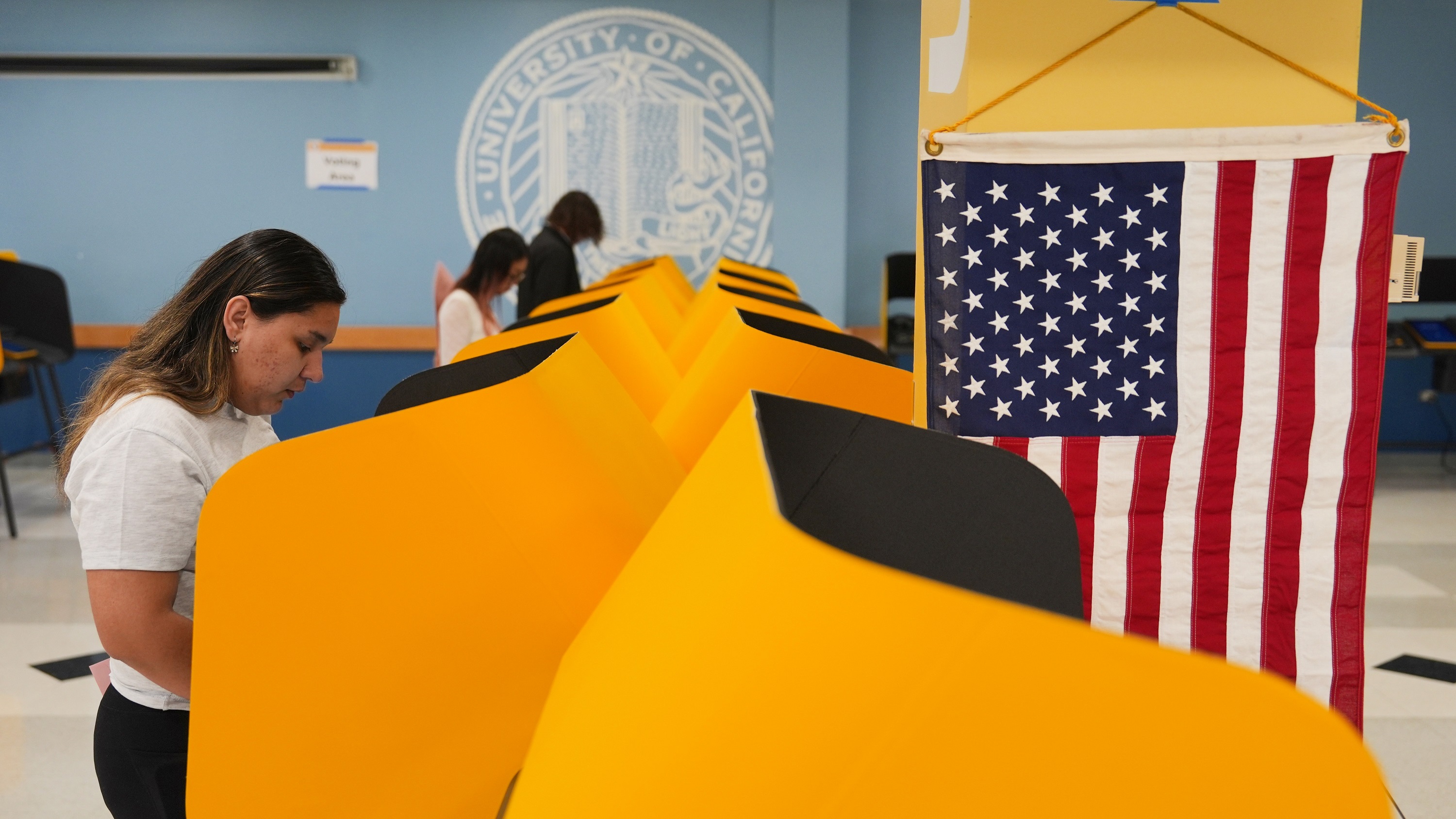
The U.S. Department of Justice has expanded its efforts to examine suspected noncitizen voting in California, sending letters to election officials in at least 18 counties demanding that they review voter records and set aside certain ballots within 48 hours. The move adds pressure to an ongoing legal confrontation between federal authorities and California officials less than two weeks before the November 3, 2026, midterm elections.
The letters, delivered on Friday, October 23, request identifying information for individuals whom the federal government suspects may have registered to vote without U.S. citizenship. The requested records include Social Security numbers, identification details and voter registration documents. County officials have also been instructed to separate ballots when citizenship cannot be verified.
Federal prosecutors argue that the information is necessary to assess the eligibility of individuals flagged in government records. A letter sent to election officials in San Bernardino County cited 1,133 people from the county on the federal list of suspected noncitizen voters. The inclusion of a name on such a list, however, does not by itself establish that an individual is ineligible to vote or has committed an election-related offense.
The latest demands follow a federal lawsuit targeting Los Angeles County and the California Secretary of State's office. The administration is seeking to prevent the counting of ballots associated with approximately 20,000 people it considers likely noncitizen voters until their citizenship status is established. A court hearing is scheduled for Tuesday, October 27, while the federal government has also asked the Ninth Circuit Court of Appeals to intervene.
The dispute centers on the federal government's effort to gain access to voter information and influence how election officials handle ballots whose eligibility is questioned. First Assistant U.S. Attorney Bill Essayli warned that election officials who knowingly process ballots cast by noncitizens could face legal consequences. Federal officials have presented the requests as an enforcement measure intended to protect the integrity of federal elections.
California election authorities have challenged the demands, raising concerns about the reliability of the federal data and the potential consequences of acting on it before individual records are properly reviewed. State lawyers argue that the measures could delay the certification of election results and risk preventing eligible U.S. citizens from having their votes counted. The secretary of state's office and the Los Angeles County registrar have opposed the federal requests.
The timing makes the dispute particularly significant. California has more than 23 million registered voters, and ballots were mailed to voters earlier in October. State filings indicate that more than 330,000 mail-in ballots had already been counted when the latest demands were reported. With voting underway, any change to ballot-handling procedures could create additional administrative and legal challenges for county election offices.
The letters also followed federal action earlier in the week against 28 people from the larger list of approximately 20,000 individuals. They were charged with allegedly registering to vote unlawfully, while some faced additional allegations involving illegal voting or false statements on naturalization documents. The accusations remain subject to the legal process and should not be treated as proof of guilt.
More broadly, voting by people who are not U.S. citizens is considered extremely rare under available evidence, and it has not been shown to have changed the outcome of election races. The current dispute therefore raises questions not only about identifying potentially ineligible registrations, but also about the accuracy of the methods used to flag voters and the safeguards applied before ballots are excluded from the count.
The case highlights a continuing conflict over the division of responsibility between federal enforcement agencies and state authorities that administer elections. Federal officials are seeking swift action on records they consider suspicious, while California officials argue that election procedures must protect against both unlawful voting and the mistaken exclusion of eligible citizens.
As the midterm elections approach, the courts will play a central role in determining how the federal demands can be applied and whether the requested restrictions can proceed before votes are counted and results are certified. The outcome could influence how similar disputes over voter eligibility and federal oversight are handled elsewhere during the 2026 election cycle.
News You Should See
France on Edge: Violence, Racism and Political Polarization Raise Fears of a Deeper Divide
DOJ Orders California Counties to Verify Suspected Noncitizen Ballots Ahead of Midterms
Never Stop Making Du’a: Allah’s Door Is Never Closed
P&G Raises Fiscal 2027 Cost Warning as Oil and Freight Expenses Threaten Profits
Chemical Tank Leak in Toledo Triggers Evacuations and Industrial Disruptions
Judge Sets December 11 Deadline for Trump Deposition in BBC Defamation Case
Latest News
A deadly shooting near Paris, protest-related violence and concerns about France’s 2027 presidential election are intensifying debates over racism, public safety, political polarization and social cohesion.
The U.S. Justice Department has ordered at least 18 California counties to review voter records and set aside ballots linked to suspected noncitizens within 48 hours, escalating a dispute with state officials ahead of the November 3 midterm elections.
Mohamed Amen’s Friday khutbah explores persistent du’a, patience during uncertainty, emotional resilience, and the importance of trusting Allah while pursuing practical solutions.
Procter & Gamble expects commodity, energy and transportation costs to reduce fiscal 2027 profit by $1.4 billion. Quarterly sales rose 4% to $23.28 billion, beating analyst expectations.
A ruptured chemical tank in Toledo, Ohio, prompted evacuations, school closures and an industrial shutdown. Authorities have reduced the restricted zone as the release slows and cleanup preparations continue.
A federal judge has ordered Donald Trump to give a deposition by December 11, 2026, in his $10 billion lawsuit against the BBC, with possible sanctions for noncompliance as the discovery deadline approaches.
Iowa’s 2026 Senate race pits Republican Ashley Hinson, balancing Trump support with economic concerns, against Democrat Josh Turek, who emphasizes bipartisanship amid rising campaign spending.
Thousands of California state workers struck on October 21 over a proposed three-year pay increase, healthcare costs and a four-day office attendance requirement as contract negotiations continued.
October 2026 brings major entertainment releases across Disney+, Netflix, HBO Max, Hulu, Prime Video and Peacock. Explore how familiar franchises, exclusive programming, new music and video games shape competition for streaming audiences.