Current Methods of Plastic Waste Management
Plastic waste is one of the most pressing environmental issues facing the world today. Addressing plastic waste requires a multifaceted approach involving recycling, waste-to-energy conversion

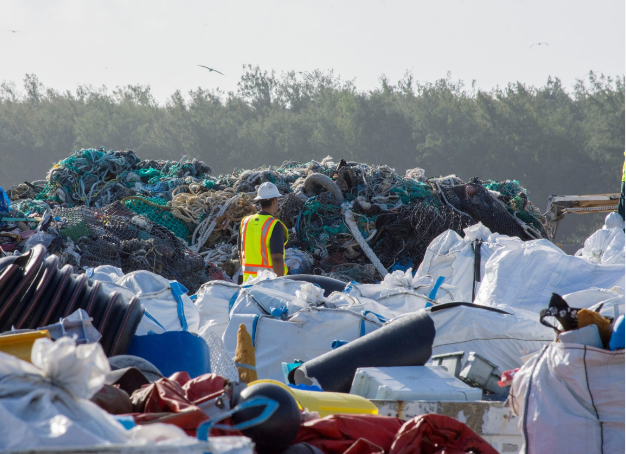
Tackling Plastic Waste: Recycling, Energy Recovery, and the Path to a Sustainable Future
Plastic waste has become one of the most urgent environmental challenges of our time. With millions of tons of plastic produced every year, vast quantities end up in landfills, oceans, and natural ecosystems, posing severe threats to wildlife, marine life, and the health of our planet.
Addressing this issue demands a multifaceted strategy — one that combines traditional waste management with innovative technologies and a shift in consumer and industry behavior. This article explores the most effective and evolving methods to manage and reduce plastic waste globally.
1. Recycling: The First Line of Defense
Recycling remains one of the most widely adopted methods for managing plastic waste. It involves collecting, sorting, cleaning, and reprocessing used plastics into new products. However, not all plastics are equally recyclable, and contamination often limits effectiveness.
Types of Recycling:
Mechanical Recycling: This traditional method grinds plastics into flakes or pellets, which are then melted and reshaped. It’s widely used for materials like PET (polyethylene terephthalate) and HDPE (high-density polyethylene).
Chemical Recycling: This advanced process breaks plastics down into their molecular building blocks, allowing for the creation of new plastics or other materials. It is especially useful for mixed or contaminated plastics, though it is still under development in many regions.
2. Waste-to-Energy (WtE): Turning Trash into Power
Waste-to-energy is a method of converting plastic waste into usable energy through thermal or chemical processes. This approach not only reduces the volume of plastic waste but also contributes to alternative energy sources.
Key WtE Technologies:
Incineration: Involves burning plastic waste to produce heat and electricity. While effective, it raises concerns about air pollution and carbon emissions.
Pyrolysis and Gasification: These methods convert plastics into fuels or syngas without direct combustion. Pyrolysis uses heat in the absence of oxygen to produce synthetic oil, while gasification creates syngas (hydrogen and carbon monoxide), which can be used to generate electricity or fuels.
3. Biodegradable and Compostable Plastics
With rising concerns over plastic pollution, there’s growing interest in eco-friendly plastic alternatives that decompose naturally.
Types of Sustainable Plastics:
Biodegradable Plastics: Derived from renewable sources like corn starch or sugarcane, these plastics are engineered to break down under specific environmental conditions. However, their effectiveness often depends on industrial composting facilities.
Compostable Plastics: A subcategory of biodegradable plastics that must degrade into non-toxic elements in a composting environment. Commonly used for single-use items, such as cutlery, bags, and packaging.
4. Reducing Plastic Consumption at the Source
Prevention is better than cure. One of the most effective ways to tackle the plastic crisis is to reduce plastic production and usage in the first place.
Strategies to Reduce Plastic Use:
Government Bans and Policies: Many countries have introduced bans on single-use plastics like straws, plastic bags, and packaging materials.
Sustainable Alternatives: Substituting plastic with glass, metal, paper, or biodegradable materials is an emerging trend in both businesses and households.
Consumer Education: Raising awareness about the environmental impact of plastic waste can encourage more sustainable consumer habits.
5. Innovative Solutions Driving the Future
Innovation is critical in overcoming the limitations of traditional plastic waste management.
Breakthrough Technologies:
Plastic-Eating Enzymes: Scientists are developing enzymes that can break down plastics such as PET in a matter of hours, offering a potential game-changer for the recycling industry.
Ocean Cleanup Projects: Organizations like The Ocean Cleanup are deploying advanced systems to remove plastic waste from oceans and rivers.
Circular Economy Models: A circular economy focuses on designing products that are durable, repairable, and recyclable, reducing waste by keeping materials in use for as long as possible.
🌍 Conclusion
The battle against plastic waste is complex, but not unwinnable. It requires a blend of policy changes, technological innovation, industry accountability, and individual responsibility.
By supporting and scaling methods like recycling, waste-to-energy conversion, and biodegradable alternatives, and by embracing a circular economy, we can move closer to a sustainable, plastic-free future.

News You Should See
P&G Raises Fiscal 2027 Cost Warning as Oil and Freight Expenses Threaten Profits
Chemical Tank Leak in Toledo Triggers Evacuations and Industrial Disruptions
Judge Sets December 11 Deadline for Trump Deposition in BBC Defamation Case
Iowa Senate Race Tests How Far Republicans Can Separate Themselves From Trump
California State Workers Strike Over Pay, Healthcare and Return-to-Office Rules
Streaming’s October Showdown: How Disney, Netflix and Major Entertainment Brands Compete for Audiences
Latest News
Procter & Gamble expects commodity, energy and transportation costs to reduce fiscal 2027 profit by $1.4 billion. Quarterly sales rose 4% to $23.28 billion, beating analyst expectations.
A ruptured chemical tank in Toledo, Ohio, prompted evacuations, school closures and an industrial shutdown. Authorities have reduced the restricted zone as the release slows and cleanup preparations continue.
A federal judge has ordered Donald Trump to give a deposition by December 11, 2026, in his $10 billion lawsuit against the BBC, with possible sanctions for noncompliance as the discovery deadline approaches.
Iowa’s 2026 Senate race pits Republican Ashley Hinson, balancing Trump support with economic concerns, against Democrat Josh Turek, who emphasizes bipartisanship amid rising campaign spending.
Thousands of California state workers struck on October 21 over a proposed three-year pay increase, healthcare costs and a four-day office attendance requirement as contract negotiations continued.
October 2026 brings major entertainment releases across Disney+, Netflix, HBO Max, Hulu, Prime Video and Peacock. Explore how familiar franchises, exclusive programming, new music and video games shape competition for streaming audiences.
Saudia advises travelers to book flights through Al Qassim Airport for Riyadh connections, offering free hourly shuttle buses in both directions until further notice.
An AP-NORC poll shows Democratic confidence in accurate vote counting falling to 55%, while Republican confidence rises to 38%, highlighting election integrity concerns ahead of the 2026 US midterms.
Donald Trump campaigns in North Carolina ahead of the November 2026 midterms as low approval ratings, rising fuel costs, Democratic early-voting gains and funding disparities challenge Republican efforts to retain control of Congress.