Congress Faces December Shutdown Risk as Iran War Deepens Spending Divisions
Disagreements over a proposed $350 billion Pentagon funding increase and congressional conditions on military operations against Iran are complicating negotiations ahead of the December 11 federal funding deadline.

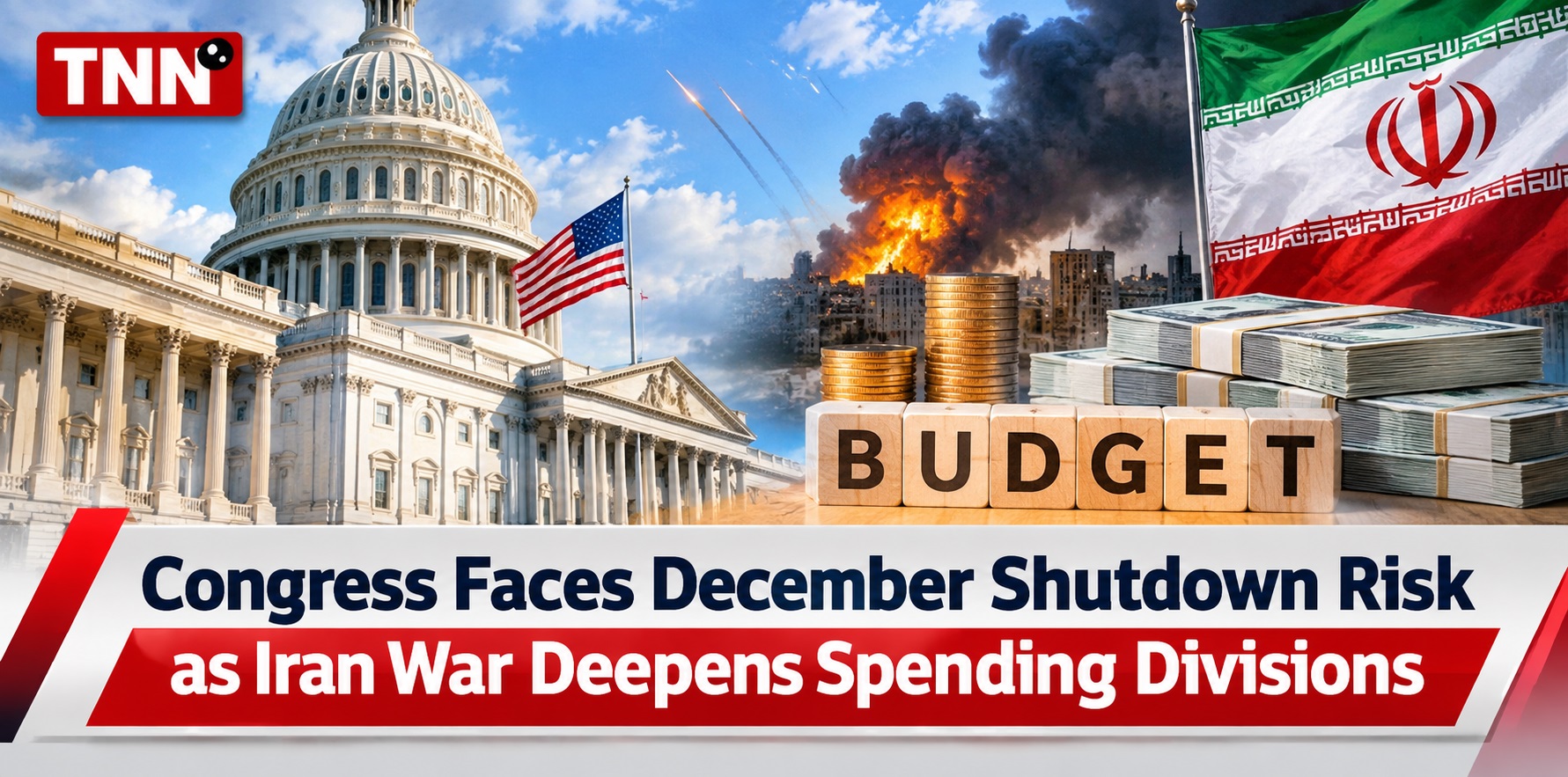
The United States is approaching a critical fiscal deadline as disagreements in Congress over federal spending and military policy threaten to interrupt government operations in December. With current funding scheduled to expire on December 11, lawmakers have a limited window to reach an agreement and prevent a partial shutdown that could disrupt public services and affect federal employees during the holiday season.
At the center of the dispute is President Donald Trump's request for an additional $350 billion in funding for the Pentagon. The proposal has exposed divisions within Congress over the scale of military expenditure, the appropriate legislative route for approving additional defense resources, and the extent to which lawmakers should exercise oversight over military operations involving Iran.
Defense spending becomes a central negotiating obstacle
Republicans have yet to establish a unified approach to advancing the proposed increase in defense funding. One option under consideration involves using a partisan budget measure that could pass the Senate with a simple majority. Other lawmakers favor a bipartisan agreement that would bring Democrats into the appropriations process and potentially provide broader political support.
Senate Republicans have discussed a defense spending package valued at approximately $1.1 trillion, including $69 billion from the additional funding requested by Trump. The proposal illustrates the scale of the debate over defense priorities, although the figures also reflect the difference between the broader spending package and the additional amount being considered.
For the administration, securing additional Pentagon resources is tied to its military priorities. For Congress, however, the challenge extends beyond approving a spending figure. Lawmakers must also determine whether public funds should be allocated to military operations against Iran without additional conditions or restrictions.
Iran conflict complicates bipartisan negotiations
Democrats are divided over how directly the Iran conflict should influence federal funding legislation. Some members want restrictions or conditions attached to additional financing for military operations, arguing that Congress should have a greater role in determining the limits of the administration's military commitments.
Others are concerned that allowing disagreements over foreign policy to prevent an agreement on government funding could create domestic consequences. A shutdown would affect federal agencies and employees, potentially placing additional pressure on public services at a particularly sensitive point in the year.
This division creates a complicated negotiating environment. Any agreement must address competing priorities: maintaining the continuity of government operations, deciding the level of defense spending, and determining the extent of congressional oversight over military policy.
Senate Majority Leader John Thune has indicated that discussions are advancing, while acknowledging that a final agreement remains out of reach. His assessment reflects the difference between ongoing negotiations and the political compromises still required to secure sufficient support.
Political transition adds another layer of uncertainty
The approaching change in congressional leadership is another factor shaping the negotiations. Democrats are preparing to take control of both chambers in January following their midterm election victories, potentially changing the balance of power over federal spending and legislative priorities.
Against this background, lawmakers are considering a temporary funding measure that would keep federal agencies operating into early 2027. Such an arrangement could shift the most difficult budget decisions to the incoming Congress, giving the new legislative majority additional time to negotiate the outstanding appropriations bills.
The alternative of completing all 12 annual appropriations bills before the current legislative session ends is widely regarded as unlikely. A temporary extension could therefore become the practical route to avoiding an immediate funding interruption, even if it leaves major spending questions unresolved.
Economic and institutional implications
A partial government shutdown would have consequences extending beyond the political dispute in Washington. Federal employees could face interruptions in pay or work arrangements, while agencies responsible for public services might experience operational difficulties depending on the scope and duration of a funding lapse.
Businesses and contractors working with federal agencies could also face uncertainty over payments, procurement schedules and the continuation of government-supported projects. The broader economic effect would depend on how many agencies are affected and how long the disruption lasts.
The budget negotiations also carry implications for the United States' fiscal priorities. A substantial increase in defense spending would intensify the debate over the allocation of federal resources, particularly as lawmakers attempt to reconcile military commitments with other domestic spending requirements.
From an institutional perspective, the dispute highlights the difficulty of separating annual appropriations from major foreign policy decisions. Congressional approval of government funding is increasingly becoming a platform for negotiating broader questions about executive authority, military accountability and national priorities.
What comes next?
The immediate priority for lawmakers is to establish a funding arrangement before December 11. A temporary extension appears to offer a possible compromise, but its approval will depend on whether Republicans and Democrats can prevent disagreements over defense spending and Iran policy from blocking broader legislation.
The transition of congressional control in January could also influence the final shape of the agreement. Rather than resolving every spending dispute before the end of the year, lawmakers may opt for a short-term solution that transfers the remaining decisions to the incoming Congress.
Ultimately, the negotiations will test whether Washington can maintain the continuity of federal operations while managing competing political and military priorities. The December deadline is not simply a budgetary milestone; it is a measure of Congress's ability to reach agreement at a moment of significant political and strategic uncertainty.
News You Should See
Vivo Prepares Three New Budget Smartphones with 6,500mAh Batteries and Updated Features
Carlos Espi Delivers Late Winner as Real Madrid Overcomes Mbappé's Penalty Miss
Google Pixel 11 Introduces Faster Tensor G6 Processor and Expanded Storage
Borussia Dortmund Secure Bundesliga Victory as Felix Nmecha Delivers Key Performance
Harry Kane's Ankle Surgery Leaves Bayern Munich Facing a Major Attacking Setback
Imam Tahir Kukaj Receives 2026 Appreciation Award for Community Service
Latest News
Vivo's upcoming budget phones reportedly feature 6,500mAh batteries, 6.74-inch displays and different camera and charging specifications.
Carlos Espi scores a late winner as Real Madrid defeat Celta Vigo 2-1, despite Kylian Mbappé missing a penalty.
Google Pixel 11 reportedly features the Tensor G6 processor, 256GB storage and 25W wireless charging, alongside familiar camera and display features.
Felix Nmecha plays a crucial role as Borussia Dortmund defeat Borussia Mönchengladbach, strengthening their Bundesliga campaign.
Harry Kane undergoes left ankle ligament surgery and could miss three months, creating a major challenge for Bayern Munich and England.
Imam Tahir Kukaj receives the 2026 Appreciation Award in recognition of his commitment to community service, volunteerism, and public engagement.
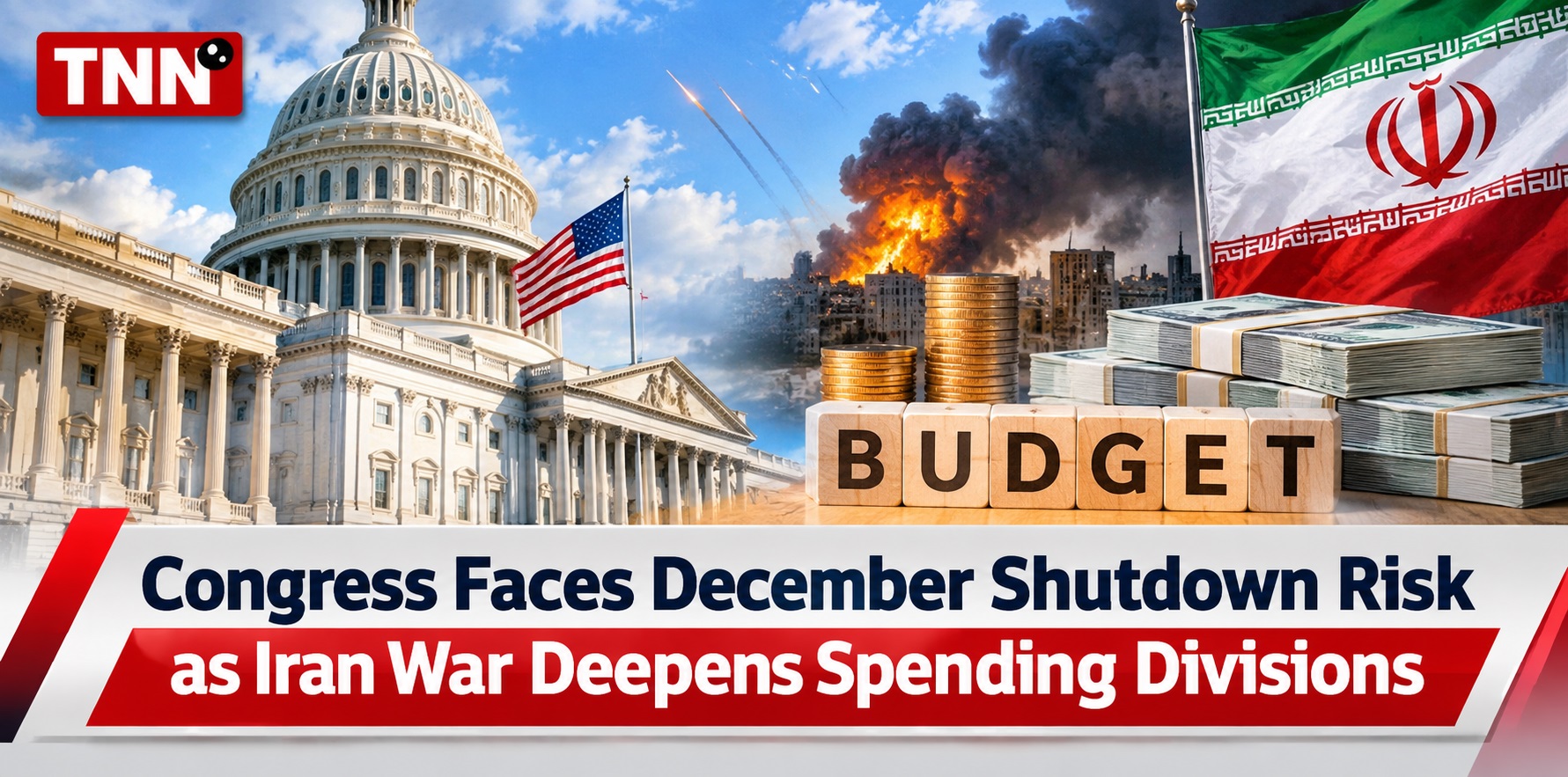
Congress faces a potential partial government shutdown on December 11 as disputes over Pentagon funding, the Iran conflict and federal spending negotiations delay an agreement.
The Premier League returns on November 21, 2026, with Manchester City, Arsenal and Chelsea facing important fixtures after the international break.
The U.S. Congress honored former Egyptian President Anwar Sadat with a posthumous Gold Medal on November 18, 2026, recognizing his historic contribution to Middle East peace.