Colson Montgomery Powers White Sox Past Astros in Wild-Card Opener
Chicago takes a 1-0 lead in the American League wild-card series after Montgomery delivers a pivotal postseason home run and the White Sox bullpen protects an early advantage.

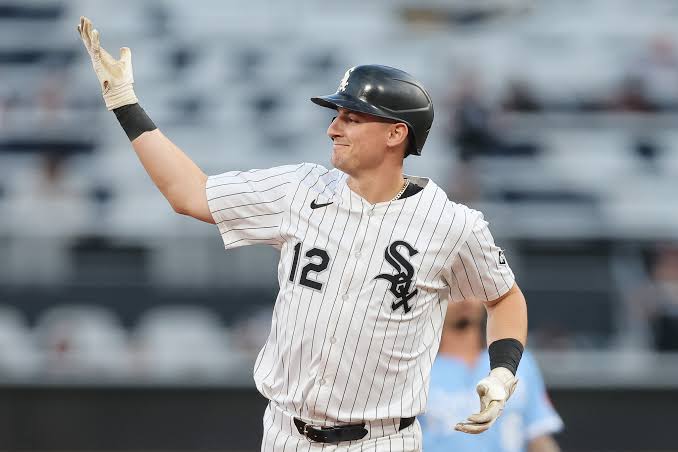
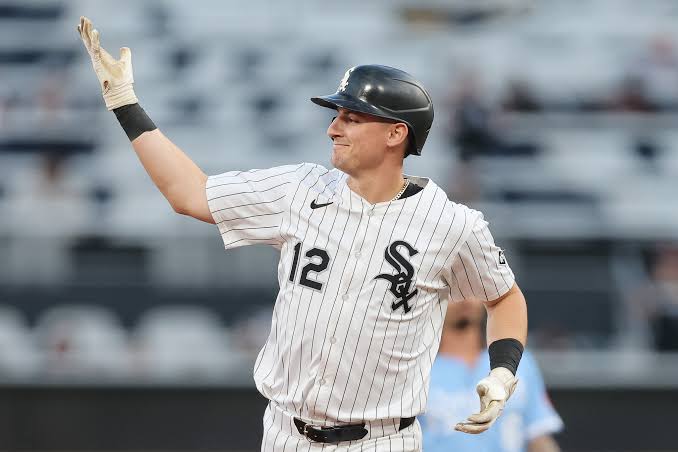
The Chicago White Sox opened their American League wild-card campaign with a 6-3 victory over the Houston Astros, taking a 1-0 lead in the best-of-three series after a performance built around early offense, aggressive pitching management and a deep bullpen effort.
The result was particularly notable for Colson Montgomery, who delivered a 432-foot home run in the fourth inning during his first postseason appearance. The blast extended Chicago’s advantage to 4-0 and provided a defining moment in a game in which the White Sox repeatedly converted early opportunities into runs.
Montgomery entered the postseason carrying a difficult stretch of form. He had hit 31 home runs during the regular season, but over his final 19 games he batted .065, with a .194 on-base percentage and .097 slugging percentage. He also established a major-league single-season record with 227 strikeouts. Rather than removing him from the lineup, Chicago placed him ninth, and the young hitter responded with one of the most important swings of the opening game.
That contrast between regular-season struggles and immediate postseason production illustrates the different value of individual performance once the playoff environment begins. For the White Sox, Montgomery’s home run was not simply another offensive contribution; it reinforced the club’s ability to obtain impact from a player who had recently been struggling.
Chicago’s broader offensive performance was equally important. Braden Montgomery, Randal Grichuk and Chase Meidroth each recorded multiple hits, while Meidroth also produced a key run-scoring hit in the fifth inning. Sam Antonacci added two RBIs in the second, helping the White Sox build a lead before Houston could establish control of the game.
The opening innings exposed a strategic weakness for Houston. The Astros used rookie right-hander AJ Blubaugh as their opener, but he recorded only two outs after issuing three walks. Bryan King replaced him and inherited an immediate pressure situation, eventually allowing Chicago to build a three-run advantage. Together, the two pitchers gave up three runs, two earned, on four hits and three walks while recording only three outs.
Chicago used the opener concept differently. Rookie left-hander Hagen Smith worked three scoreless innings in his second major-league appearance overall and first postseason game. His ability to prevent Houston from generating early momentum allowed the White Sox to control the game's structure before turning to the rest of their pitching staff.
The bullpen then became a central part of Chicago’s strategy. Jordan Hicks earned the victory after 1 1/3 scoreless innings, while Grant Taylor handled the closing stretch with 2 1/3 innings and 54 pitches. Taylor surrendered one unearned run but preserved the three-run margin and completed a game in which Chicago used five pitchers.
Houston did generate opportunities to change the direction of the contest. Nelson Velazquez hit a two-run pinch-hit homer in the fifth inning, while Jeremy Pena later scored following a two-out throwing error by Miguel Vargas in the eighth. Those moments reduced the deficit, but the Astros could not convert the late pressure into a full comeback.
From a competitive standpoint, the game highlighted two contrasting approaches. Houston’s bullpen strategy struggled to absorb the early damage, while Chicago’s combination of an effective opener, timely hitting and extended relief appearances created enough stability to protect the lead.
The victory also carries historical significance for the White Sox organization. Chicago is back in the postseason after a period of difficult results and is now attempting to advance beyond the wild-card round for the first time since the club swept Houston in the 2005 World Series. The current series therefore connects a new postseason group with one of the most prominent playoff chapters in franchise history.
For the White Sox brand, a postseason run offers an opportunity to strengthen the visibility of a team that has spent recent seasons rebuilding its competitive identity. Montgomery’s emergence as a central postseason figure, combined with contributions from younger players and a flexible pitching structure, gives Chicago several elements around which it can build its public identity.
The Astros, meanwhile, face the immediate challenge of responding without allowing one poor opening game to define the series. Houston’s early pitching problems placed the team in a deficit that forced its offense to chase the game for most of the night. The second game will therefore carry greater strategic importance as the club seeks to extend the series.
Chicago will return to Houston for Game 2 with an opportunity to close the best-of-three matchup. The outcome of the opener does not determine the series by itself, but it has changed the competitive landscape: the White Sox now need one more victory, while the Astros must recover quickly and produce a different pitching and offensive response.
The opening game ultimately demonstrated how quickly postseason baseball can reshape narratives. Montgomery entered the night after a historically difficult regular-season strikeout total and a prolonged offensive slump. He left it having supplied the swing that helped put Chicago ahead in a playoff series, illustrating how a single high-leverage performance can alter the trajectory of a team’s postseason story.
News You Should See
2026 Nobel Medicine Prize Honors Scientists Behind Optogenetics Breakthrough
Oil Prices Edge Lower as Stronger Middle East Exports and G7 Reserves Ease Supply Concerns
Trump Offers U.S. Assistance to Russia After Death at Siberian Plague Research Institute
Trump Takes Economic Message to Nebraska as GOP Faces Rising Cost-of-Living Pressure
U.S. Appeals Court Weighs Trump Administration’s $2.6 Billion Harvard Funding Fight
U.S. Midterm Elections Begin With Resilient Jobs Market and Persistent Cost Pressures
Latest News
The 2026 Nobel Prize in Physiology or Medicine honors Karl Deisseroth, Peter Hegemann and Georg Nagel for pioneering research behind optogenetics and its impact on neuroscience.
Oil prices edged lower as stronger Middle Eastern exports and a planned G7 release of 100 million barrels eased immediate supply concerns, while Gulf security risks and the Strait of Hormuz kept markets alert.
President Donald Trump said the United States would help Russia if needed after a laboratory worker died at a Siberian plague research institute, as Russian authorities imposed precautionary quarantine measures.
Trump’s Nebraska campaign stop highlights rising fuel and grocery costs, beef prices and growing economic pressure on Republicans ahead of the November midterm elections.
A U.S. appeals court is reviewing the Trump administration’s effort to cut Harvard’s federal research funding, with more than $2.6 billion at stake.
The U.S. enters the 2026 midterm elections with unemployment at 4.2%, while higher living and energy costs create economic pressure for households and businesses.
US services growth eased in September as input prices climbed to their highest level since July 2022, with fuel costs, supply-chain disruptions and strong demand increasing pressure on businesses.
Rising Treasury yields are increasing U.S. borrowing costs as Washington manages record debt, persistent inflation and strong economic demand, narrowing its policy options.
A EGP 16 million corporate partnership will establish and equip a bone marrow transplant unit at Cairo’s Coptic Hospital, supporting access to specialized treatment for patients.