Climate Change and the Titanic Trap: Are We Heading Toward Civilizational Collapse?
The Climate Doomsday Clock: Scientific Warnings of Civilization’s Collapse

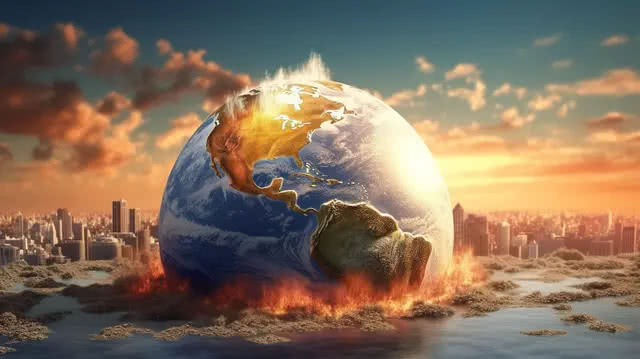
A prominent group of scientists has issued a stark and urgent warning that humanity is hurtling toward civilizational collapse and existential erasure due to accelerating climate change. According to reports published by the British newspaper Daily Star, researchers emphasize that the Earth is dangerously close to multiple global tipping points that could trigger irreversible catastrophes threatening the human race.
The most critical thresholds facing our planet include the collapse of the Amazon rainforest, the complete melting of polar ice sheets, and surging global temperatures. Scientists explain that these compounding factors, combined with exponential population growth, create a recipe for disaster. Melting ice sheets cause sea levels to rise, shrinking habitable land just as populations continue to expand and force mass internal migration. Furthermore, soaring temperatures render vast regions of the world uninhabitable, generating waves of "climate refugees," while the destruction of vital rainforests further accelerates global warming.
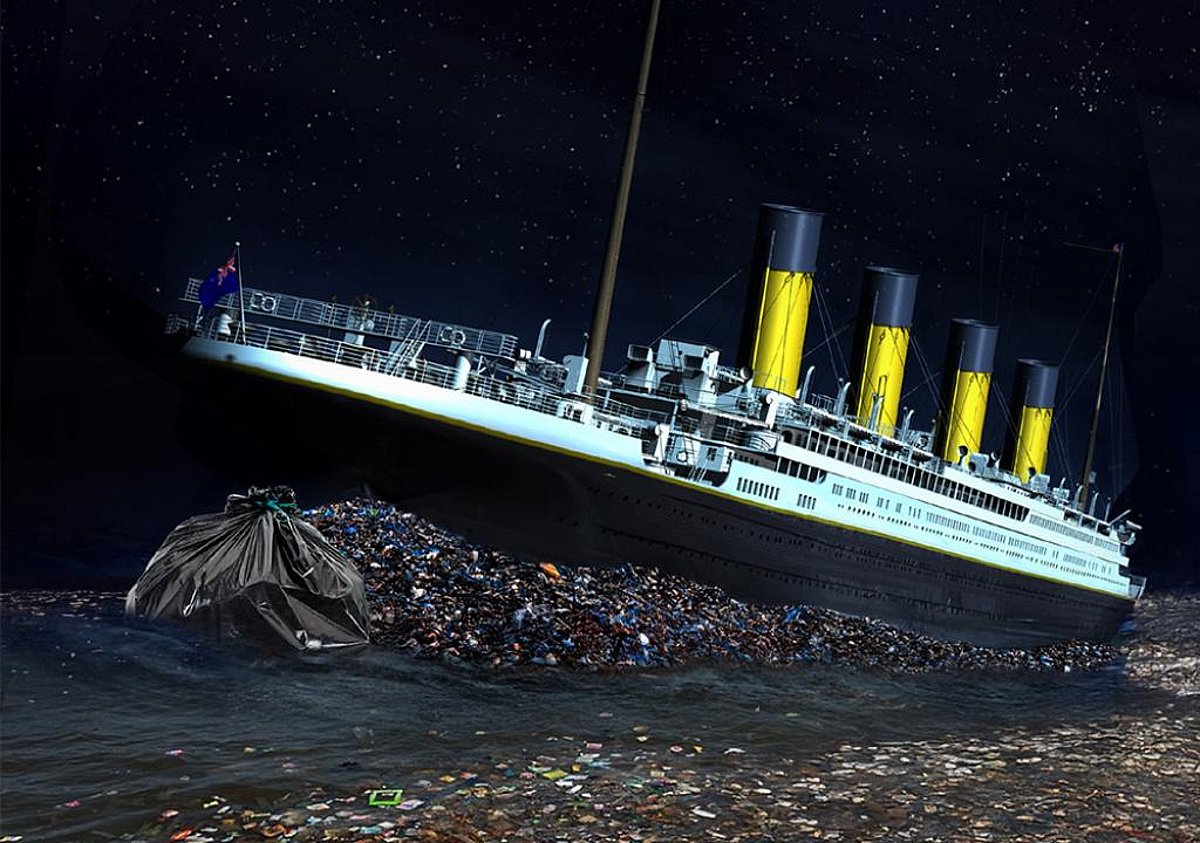
Professor Will Steffen, an emeritus professor at the Australian National University, notes that humanity requires at least three decades to alter its course toward sustainability—a window of time that may already be closed. Pointing to the growing gap between the response time needed to steer toward a sustainable future and the intervention time left to avoid a cascade of systemic disasters, Steffen warns that the Earth systems are rapidly unraveling. To illustrate this dire predicament, he likened humanity to the Titanic: if a ship needs five kilometers to slow down and change course, but is only three kilometers away from an iceberg, its sinking is inevitable.
This environmental crisis is compounded by global temperatures rising at a rate of 0.15 to 0.20 degrees Celsius per decade. Beyond shrinking surface ice, researchers highlight the alarming thaw of permafrost—a continuously frozen layer spanning 18 million square miles across the Northern Hemisphere. This deep soil layer has trapped ancient organic matter and microorganisms for millennia, and its ongoing thaw threatens to release vast reserves of greenhouse gases, pushing global warming past the point of no return.
News You Should See
2026 Nobel Medicine Prize Honors Scientists Behind Optogenetics Breakthrough
Oil Prices Edge Lower as Stronger Middle East Exports and G7 Reserves Ease Supply Concerns
Trump Offers U.S. Assistance to Russia After Death at Siberian Plague Research Institute
Trump Takes Economic Message to Nebraska as GOP Faces Rising Cost-of-Living Pressure
U.S. Appeals Court Weighs Trump Administration’s $2.6 Billion Harvard Funding Fight
U.S. Midterm Elections Begin With Resilient Jobs Market and Persistent Cost Pressures
Latest News
The 2026 Nobel Prize in Physiology or Medicine honors Karl Deisseroth, Peter Hegemann and Georg Nagel for pioneering research behind optogenetics and its impact on neuroscience.
Oil prices edged lower as stronger Middle Eastern exports and a planned G7 release of 100 million barrels eased immediate supply concerns, while Gulf security risks and the Strait of Hormuz kept markets alert.
President Donald Trump said the United States would help Russia if needed after a laboratory worker died at a Siberian plague research institute, as Russian authorities imposed precautionary quarantine measures.
Trump’s Nebraska campaign stop highlights rising fuel and grocery costs, beef prices and growing economic pressure on Republicans ahead of the November midterm elections.
A U.S. appeals court is reviewing the Trump administration’s effort to cut Harvard’s federal research funding, with more than $2.6 billion at stake.
The U.S. enters the 2026 midterm elections with unemployment at 4.2%, while higher living and energy costs create economic pressure for households and businesses.
US services growth eased in September as input prices climbed to their highest level since July 2022, with fuel costs, supply-chain disruptions and strong demand increasing pressure on businesses.
Rising Treasury yields are increasing U.S. borrowing costs as Washington manages record debt, persistent inflation and strong economic demand, narrowing its policy options.
A EGP 16 million corporate partnership will establish and equip a bone marrow transplant unit at Cairo’s Coptic Hospital, supporting access to specialized treatment for patients.